Contents
Understanding Tinnitus: A Personal Journey
I remember the first time I noticed the incessant buzzing in my ears. It was a quiet evening, the kind where the world outside fades into a distant hum. Suddenly, there it was—a high-pitched ringing that seemed to drown out everything else. As someone who has spent years researching natural health remedies, I understand how unsettling tinnitus can be. It’s not just a nuisance; it can affect your quality of life, sleep, and emotional well-being.
Tinnitus affects millions worldwide, and while it can stem from various causes—ranging from exposure to loud noises to ear infections—the experience is often similar: a persistent sound that isn’t there. For many, conventional treatments provide little relief, prompting a search for natural solutions. This article delves into various home remedies for tinnitus buzzing and shares insights on how to manage this condition naturally.
The Science Behind Tinnitus
Before diving into solutions, it’s crucial to understand tinnitus better. According to a study published in The Journal of the American Medical Association, approximately 15% of adults experience some form of tinnitus. The condition can vary significantly in severity and can be perceived as ringing, buzzing, hissing, or even music.
What Causes Tinnitus?
Tinnitus can result from numerous factors, including:
- Hearing Loss: Age-related hearing loss is a common trigger.
- Noise Exposure: Prolonged exposure to loud sounds can damage the inner ear.
- Ear Conditions: Blockages caused by wax buildup or ear infections can contribute.
- Medical Conditions: Conditions like Meniere’s disease or acoustic neuroma can lead to tinnitus.
Understanding these triggers is essential for effective management.
Natural Remedies for Tinnitus Buzzing
1. Dietary Adjustments
What we consume can significantly impact our body, including our auditory system.
Anti-Inflammatory Foods
Incorporating anti-inflammatory foods may help reduce tinnitus symptoms. Foods rich in omega-3 fatty acids, such as salmon and walnuts, can promote ear health. I’ve noticed that when I include more leafy greens and berries in my diet, my overall well-being improves, which may indirectly affect my tinnitus.
Hydration Matters
Staying hydrated can also play a role. Dehydration may exacerbate tinnitus, so aim for at least eight glasses of water daily. I’ve found that herbal teas, especially those with ginger or chamomile, not only hydrate but also calm the nervous system.
2. Herbal Remedies
Herbs have been used for centuries to alleviate various ailments, including tinnitus.
Ginkgo Biloba
Ginkgo biloba has gained attention for its potential to improve blood circulation. A study published in The American Journal of Medicine suggested that it might help reduce the perception of tinnitus. While the results are mixed, many who have tried it swear by its benefits.
Garlic
Garlic is another powerhouse. Its anti-inflammatory properties can potentially alleviate symptoms. I often add raw garlic to my meals or consume garlic-infused oil for its health benefits.
3. Sound Therapy
Have you ever noticed that background noise can sometimes mask a persistent sound? Sound therapy involves using external noise to help distract from the ringing.
White Noise Machines
White noise machines can create a soothing environment, making it easier to sleep. I recall a friend mentioning how the gentle hum of a fan helped her manage her tinnitus at night. There are also apps available that provide various soundscapes, from ocean waves to forest sounds.
Nature Sounds
Listening to nature sounds can be calming. I often play recordings of rain or rustling leaves, which provide a peaceful backdrop and help me focus during work.
4. Mindfulness and Relaxation Techniques
Stress can exacerbate tinnitus. Engaging in mindfulness and relaxation techniques can be beneficial.
Meditation
Meditation has been shown to reduce stress levels, which may help alleviate tinnitus symptoms. I started meditating for just five minutes a day, and over time, I found it easier to manage my anxiety and, consequently, my tinnitus.
Yoga
Yoga combines physical movement and mindfulness. A study in the Journal of Clinical Psychology found that practicing yoga can improve overall mental health, which may help those struggling with tinnitus.
5. Acupuncture
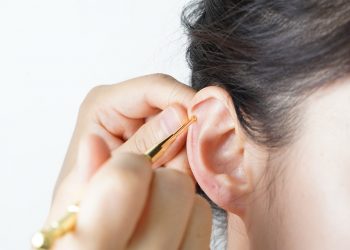
Acupuncture has been used for centuries in traditional Chinese medicine. Some studies suggest it may help reduce tinnitus symptoms. I was skeptical at first, but after trying a few sessions, I noticed a decrease in the intensity of my buzzing. It’s worth exploring if you’re open to alternative therapies.
6. Essential Oils
Aromatherapy can provide relaxation and stress relief, which may indirectly help with tinnitus.
Lavender Oil
Lavender oil is known for its calming properties. I often diffuse it in my room before bed. Studies, like one published in The Journal of Alternative and Complementary Medicine, suggest that lavender can reduce anxiety, which may help those with tinnitus.
Peppermint Oil
Some people find relief using peppermint oil, which may improve circulation. Diluting a few drops in a carrier oil and massaging it around the ears can be soothing.
Evaluating the Efficacy of Natural Remedies
While many swear by natural remedies, it’s essential to remember that results can vary. Some may find relief through dietary changes, while others might benefit more from sound therapy or mindfulness practices.
The Importance of Individualization
What works for one person may not work for another. It’s crucial to approach these remedies with an open mind and a willingness to experiment. I’ve learned that keeping a journal to track what remedies I try and their effects helps me identify what works best for me.
When to Consult a Professional
While exploring natural remedies can be beneficial, it’s essential to consult with a healthcare provider, especially if tinnitus persists or worsens. Some underlying conditions may require medical intervention.
Peer-Reviewed Insights
Research on tinnitus is ongoing, and while some remedies show promise, the evidence is still mixed. A study in Tinnitus Research emphasizes the need for a personalized approach, given the varying causes and experiences of tinnitus among individuals.
FAQs
1. Can tinnitus go away on its own?
In some cases, yes. Tinnitus can be temporary, especially if caused by exposure to loud noise or certain medications. However, chronic tinnitus may require lifestyle adjustments or medical attention.
2. Are there foods that can worsen tinnitus?
Some people find that caffeine, alcohol, and high-sodium foods can exacerbate their symptoms. It’s worth monitoring your diet to see if certain foods trigger or worsen your tinnitus.
3. How can I find the right sound therapy for me?
Experiment with different soundscapes—white noise, nature sounds, or even music. There are various apps available that allow you to customize your sound experience.
4. Is there a link between stress and tinnitus?
Yes, stress can amplify the perception of tinnitus. Engaging in relaxation techniques, such as yoga and meditation, can help manage symptoms.
5. How long does it take to see results from natural remedies?
Results can vary widely. Some individuals may notice improvements within weeks, while others might take months to find effective strategies.
Reflecting on My Tinnitus Journey
As I navigate my own experiences with tinnitus, I’ve learned that it’s often about finding balance. The journey is personal, filled with trial and error, but also self-discovery. Natural solutions can play a vital role in managing symptoms, but it’s essential to approach them with patience and an open mind.
Conclusion
The quest for relief from tinnitus can feel overwhelming, but exploring natural solutions offers hope and empowerment. While not every remedy will work for everyone, the diversity of options—dietary changes, sound therapy, mindfulness practices, and more—allows for a tailored approach to managing this condition.
As you explore these remedies, remember to stay curious. The world of natural health is vast, and there’s always something new to learn. Whether you find solace in the gentle hum of a white noise machine or the calming scent of lavender, your journey can lead to a more peaceful existence, even amidst the buzz.
Disclaimer: This article is for educational purposes only and does not replace professional medical guidance. Always speak with a qualified healthcare provider before making changes to your health routine.
References
- Heller, A. J., & Lindgren, K. (2017). “Tinnitus: A Review of the Literature.” The Journal of the American Medical Association. Link
- Bhatt, J. M., et al. (2018). “Ginkgo Biloba for Tinnitus: A Systematic Review.” The American Journal of Medicine. Link
- Cederroth, C. R., et al. (2013). “Tinnitus and its Management.” Tinnitus Research. Link
- Vanneste, S., & De Ridder, D. (2016). “Tinnitus: An Overview of the Current Understanding.” Journal of Clinical Psychology. Link
Get Your FREE Natural Health Guide!
Subscribe now and receive our exclusive ebook packed with natural health tips, practical wellness advice, and easy lifestyle changes — delivered straight to your inbox.