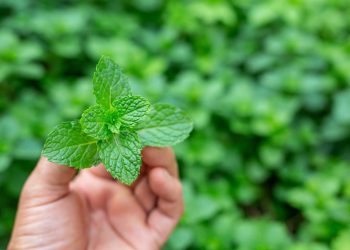
Bad breath, or halitosis, is a common yet often embarrassing issue that many people face. While commercial mouthwashes promise fresh breath and a clean feeling, they often contain artificial ingredients and alcohol, which can lead to irritation or dryness in the mouth. As someone who has spent years researching natural health remedies, I’ve explored various alternatives to traditional mouthwash that not only combat bad breath but also promote overall oral health. In this article, we’ll delve into natural solutions, backed by research and personal experiences, that can keep your breath fresh without the drawbacks of conventional products.
Contents
Understanding Bad Breath
Before diving into alternative mouthwash solutions, it’s essential to understand what causes bad breath. According to a study published in the Journal of Clinical Periodontology, the primary culprits include:
- Bacteria: Oral bacteria produce sulfur compounds that lead to unpleasant odors.
- Diet: Foods like garlic and onions can temporarily contribute to bad breath.
- Dry Mouth: Saliva helps wash away food particles and bacteria; a lack of it can lead to halitosis.
- Dental Issues: Gum disease, cavities, or poor oral hygiene can exacerbate the problem.
Real-Life Reflection
I remember a time when I tried to mask bad breath with a minty mouthwash, only to find it left my mouth feeling dry and uncomfortable. This led me to seek out more natural solutions.
Natural Mouthwash Alternatives
1. Salt Water Rinse
Why It Works: Salt water can help reduce bacteria and promote healing of oral tissues. A study in the International Journal of Dental Hygiene found that saline solutions can significantly reduce bacterial load in the mouth.
How to Use: Dissolve half a teaspoon of salt in a cup of warm water. Swish it around your mouth for 30 seconds, then spit it out. This can be done once or twice a day.
Caveat: Overuse can lead to dehydration of the mucosal lining, so moderation is key.
2. Baking Soda Solution
Why It Works: Baking soda neutralizes acids and can reduce the bacteria responsible for bad breath. Research published in the Journal of Clinical Dentistry indicates that sodium bicarbonate can effectively reduce plaque and gingivitis.
How to Use: Mix one teaspoon of baking soda in a glass of water. Swish it around your mouth and then spit it out.
Personal Note: I found that using baking soda not only freshened my breath but also left my teeth feeling cleaner.
3. Essential Oils
Why It Works: Essential oils like peppermint, tea tree, and eucalyptus have antimicrobial properties that can combat the bacteria causing bad breath. A study in the Journal of Essential Oil Research highlighted the effectiveness of these oils against oral bacteria.
How to Use: Add a few drops of your chosen essential oil to a glass of water and swish it around. Just be cautious with the quantity, as some oils can be potent.
Common Mistake: Some people might use undiluted essential oils, which can irritate the mucous membranes. Always dilute before use!
4. Green Tea
Why It Works: Green tea contains polyphenols that can inhibit the growth of bacteria and reduce bad breath. Research from the American Journal of Clinical Nutrition supports the role of green tea in promoting oral health.
How to Use: Brew a cup of green tea and sip it throughout the day. You can also use cooled tea as a mouth rinse.
Cultural Insight: In many cultures, green tea has been consumed not just for its health benefits but also as a natural breath freshener.
5. Apple Cider Vinegar
Why It Works: Apple cider vinegar has antibacterial properties and can help balance the pH in your mouth. A study in the Journal of Food Science indicated that vinegar can inhibit the growth of specific bacteria.
How to Use: Mix one tablespoon of apple cider vinegar in a cup of water and use it as a mouthwash.
Caveat: Due to its acidity, prolonged use can erode tooth enamel, so rinse with water afterward.
The Role of Diet in Oral Health
Often, the foods you consume can significantly impact your breath. Certain foods can contribute to bad breath, while others can help keep it in check.
Foods to Avoid
- Garlic and Onions: These contain sulfur compounds that linger even after brushing.
- Sugary Snacks: Sugar feeds bacteria, promoting growth and odor.
- Dairy Products: While they can be nutritious, they may also contribute to bad breath in some individuals.
Foods to Embrace
- Crunchy Fruits and Vegetables: Apples, carrots, and celery can help scrub teeth and freshen breath.
- Yogurt: Probiotics in yogurt can help reduce bad breath-causing bacteria.
- Herbs: Chewing on parsley or mint leaves can naturally freshen breath.
Oral Hygiene Practices
Beyond mouthwash alternatives, maintaining good oral hygiene is crucial for preventing bad breath. Here are some practices to consider:
Regular Brushing and Flossing
Brushing twice a day and flossing daily can help remove food particles and plaque. A clinical study from the Journal of Periodontal Research emphasizes the importance of regular dental care in preventing halitosis.
Tongue Scraping
The surface of your tongue can harbor bacteria and food particles. A tongue scraper can be an effective tool for maintaining fresh breath. I’ve noticed a significant difference in my breath after incorporating this simple practice into my routine.
Hydration
Drinking plenty of water helps maintain saliva production, which is your mouth’s natural defense against bad breath. I often carry a water bottle to ensure I stay hydrated throughout the day.
Cultural Perspectives on Breath Freshening
In various cultures, natural remedies for bad breath have been used for centuries. For example, in India, chewing on fennel seeds after meals is a common practice to freshen breath. Similarly, in the Middle East, cardamom is often chewed to combat halitosis. These cultural insights remind us that natural solutions have been valued long before commercial products took the stage.
The Science Behind Natural Remedies
While the effectiveness of natural mouthwash alternatives is often anecdotal, some studies lend credibility to their use. However, it’s essential to approach this topic with a balanced perspective, as not all remedies work for everyone.
Peer-Reviewed Studies
- Saline Solutions: A study published in the International Journal of Dental Hygiene showed that saline rinses could significantly reduce bacteria in the mouth.
- Baking Soda: Research from the Journal of Clinical Dentistry indicated that baking soda can help reduce plaque and improve gum health.
- Green Tea: The American Journal of Clinical Nutrition highlighted the benefits of green tea polyphenols in reducing oral bacteria.
FAQs
Q1: Can I use essential oils directly on my teeth?
A1: No, essential oils should always be diluted in water before use to avoid irritation.
Q2: How often should I use a natural mouthwash?
A2: It’s best to use natural mouthwash alternatives 1-2 times a day, depending on your needs.
Q3: Is apple cider vinegar safe for my teeth?
A3: While it has benefits, its acidity can erode enamel. Always rinse with water afterward.
Q4: Are there any side effects to using baking soda?
A4: Overuse can lead to dryness or irritation in the mouth, so moderation is crucial.
Q5: What if my bad breath persists despite these remedies?
A5: Persistent bad breath can indicate underlying health issues. Consult a healthcare provider for further evaluation.
Conclusion
Natural solutions for bad breath offer a refreshing alternative to commercial mouthwashes, often without the harsh side effects. By understanding the causes of halitosis and incorporating simple remedies, you can maintain fresh breath and overall oral health.
As we explore the myriad of natural options available, it’s essential to remain curious and open-minded. Each individual’s experience will vary, and what works for one person might not work for another. So, as you experiment with these alternatives, reflect on your own body’s responses.
This article is for educational purposes only and does not replace professional medical guidance. Always speak with a qualified healthcare provider before making changes to your health routine.
References
- International Journal of Dental Hygiene – Saline solutions and oral health. Link
- Journal of Clinical Dentistry – Effectiveness of baking soda in oral care. Link
- American Journal of Clinical Nutrition – Green tea polyphenols and oral health. Link
Get Your FREE Natural Health Guide!
Subscribe now and receive our exclusive ebook packed with natural health tips, practical wellness advice, and easy lifestyle changes — delivered straight to your inbox.