When I first ventured into the realm of natural health remedies, I was skeptical. The idea that herbs could enhance physical performance seemed almost too good to be true. However, after years of research and personal experimentation, I discovered that certain herbs do indeed possess remarkable properties that can support lasting performance. In this article, I’ll explore various herbs known for their benefits, backed by scientific studies, anecdotes, and practical applications.

Contents
- The Power of Nature: An Overview
- Key Herbs for Lasting Performance
- Common Mistakes and Misconceptions
- Practical Steps to Incorporate Herbs into Your Routine
- FAQs
- Final Thoughts
- References
The Power of Nature: An Overview
Herbs have been utilized for centuries across cultures for their healing properties. Ancient civilizations like the Egyptians and Chinese incorporated herbal remedies into their medical practices. Today, we are witnessing a resurgence of interest in these natural alternatives, particularly in the context of enhancing physical performance and overall wellness.
The Science Behind Herbal Performance
Before delving into specific herbs, it’s essential to understand how they can influence our bodies. Many herbs contain compounds that can improve circulation, reduce inflammation, enhance energy levels, and even balance hormones. These effects can lead to better physical performance, whether you’re an athlete or someone looking to improve daily stamina.
For instance, a study published in the Journal of the International Society of Sports Nutrition highlights the efficacy of certain herbs in enhancing exercise performance and recovery. The findings indicate that adaptogenic herbs, which help the body adapt to stress, can significantly improve endurance and reduce fatigue (1).
Key Herbs for Lasting Performance
1. Ashwagandha: The Adaptogen
Ashwagandha, often hailed as a powerful adaptogen, has been used in Ayurvedic medicine for centuries. This herb helps the body manage stress, which can be a significant barrier to optimal performance.
Real-Life Example
I remember a time when I felt overwhelmed by work and personal commitments. A friend recommended ashwagandha. After incorporating it into my routine, I noticed a marked improvement in my energy levels and focus. This herb may help reduce cortisol levels, the body’s primary stress hormone, thus enhancing overall performance.
Scientific Backing
A study published in the Indian Journal of Psychological Medicine found that ashwagandha supplementation significantly reduced stress and anxiety levels in participants, leading to improved overall well-being (2).
2. Rhodiola Rosea: The Energy Booster
Rhodiola Rosea, another adaptogen, is known for its ability to enhance physical endurance and mental clarity. Traditionally used in Russia and Scandinavian countries, this herb is often recommended for athletes.
Practical Application
I’ve heard from friends who take rhodiola before workouts. They claim it provides a noticeable boost in stamina. The herb appears to increase the body’s resistance to physical stress, which can be particularly beneficial during intense training sessions.
Caveat
While rhodiola can enhance performance, it’s essential to note that high doses may lead to side effects such as insomnia or irritability. Moderation is key.
3. Ginseng: The Classic Performer
Ginseng has been revered in traditional medicine for its energy-boosting properties. There are various types, including American and Asian ginseng, each with unique benefits.
Cultural Context
In Korean culture, ginseng is often consumed as a tea or in soups, believed to enhance vitality and longevity. This cultural practice underscores the herb’s historical importance in promoting health.
Scientific Insight
A review in the Journal of Ginseng Research suggests that ginseng can improve physical performance, particularly in endurance sports. It may enhance oxygen uptake and reduce fatigue during prolonged exercise (3).
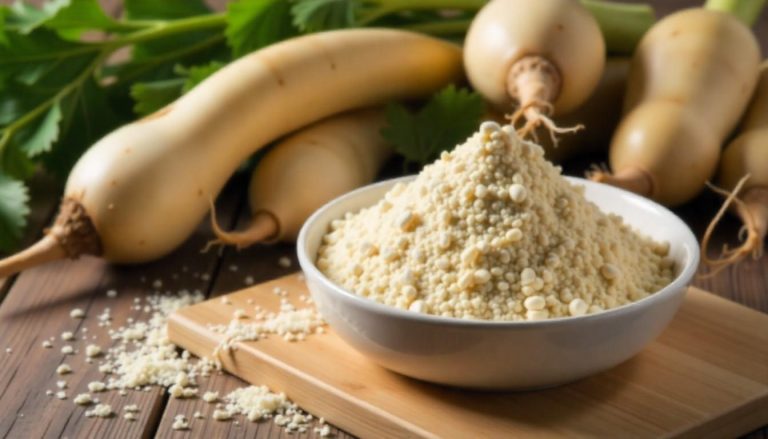
4. Maca Root: The Hormone Balancer
Maca root, native to Peru, is often touted for its ability to balance hormones and enhance libido. However, it also has implications for physical performance.
Personal Reflection
I started incorporating maca into my smoothies after hearing about its benefits from a fellow health enthusiast. Beyond the hormonal balance, I noticed an uptick in my energy levels, which positively affected my workouts.
Research Findings
A study in the Journal of Ethnopharmacology indicated that maca supplementation improved exercise performance and sexual function in men, showcasing its multifaceted benefits (4).
5. Turmeric: The Anti-Inflammatory Champion
Turmeric, particularly its active compound curcumin, is renowned for its anti-inflammatory properties. Reducing inflammation can significantly impact recovery and performance.
Anecdotal Evidence
I often add turmeric to my meals or take it as a supplement, especially after intense workouts. The reduction in muscle soreness I experience is a testament to its efficacy.
Scientific Validation
Research published in The American Journal of Preventive Medicine shows that curcumin can help reduce exercise-induced muscle damage and inflammation, leading to quicker recovery times (5).
6. Beetroot: The Nitric Oxide Booster
Beetroot has gained popularity in recent years, especially among athletes. Its high nitrate content converts to nitric oxide in the body, improving blood flow and oxygen delivery to muscles.
Practical Insights
I experimented with beetroot juice before a cycling event, and the results were impressive. Many athletes report improved endurance and performance levels when consuming beetroot beforehand.
Research Support
A study in the Journal of Applied Physiology found that beetroot juice supplementation improved exercise performance by enhancing oxygen efficiency during physical activity (6).
Common Mistakes and Misconceptions
Despite the potential benefits of these herbs, several misconceptions and mistakes can hinder their effectiveness.
Over-Reliance on Herbs
One significant mistake is assuming that herbs can replace a balanced diet and exercise. While they can enhance performance, they work best when combined with a healthy lifestyle.
Lack of Consistency
Many people try an herb for a short time and abandon it when they don’t see immediate results. Consistency is crucial; it may take weeks or even months to notice significant changes.
Ignoring Individual Responses
Not everyone will respond the same way to each herb. Personal experimentation is key. What works for one person might not work for another, so it’s essential to pay attention to how your body reacts.
Practical Steps to Incorporate Herbs into Your Routine
If you’re intrigued by the potential of these herbs, here’s a practical guide to incorporating them into your daily routine.
Step 1: Research and Choose Wisely
Start by researching the herbs that resonate with you. Look for those that align with your performance goals, whether they’re related to endurance, recovery, or overall energy.
Step 2: Start Slow
Begin with low doses to assess your body’s reaction. Gradually increase the dosage as needed, ensuring that you monitor any changes in energy levels, recovery time, or overall well-being.
Step 3: Combine with a Healthy Lifestyle
Herbs can complement a balanced diet and regular exercise. Focus on whole foods, hydration, and adequate rest to maximize the benefits of your herbal regimen.
Step 4: Keep a Journal
Maintaining a journal of your experiences can help track changes and identify which herbs work best for you. Note any fluctuations in energy, mood, or performance.
Step 5: Consult a Professional
Before making significant changes to your health routine, it’s wise to consult a healthcare provider, especially if you’re on medication or have underlying health conditions. They can provide personalized advice and ensure safety.
FAQs
1. Can I take multiple herbs together?
Yes, many people combine herbs for synergistic effects. However, it’s essential to research interactions and start with lower doses to gauge individual responses.
2. How long does it take to see results from herbal supplements?
Results can vary widely depending on the herb and individual metabolism. Some may notice changes within a week, while others might take several weeks.
3. Are these herbs safe for everyone?
While many herbs are generally safe, some individuals may experience side effects or interactions with medications. Always consult a healthcare provider before starting any new supplement.
4. Can I use herbs for mental performance as well?
Absolutely! Many of these herbs, like ashwagandha and ginseng, also support cognitive function and mental clarity, making them beneficial for both physical and mental performance.
5. What’s the best form of these herbs to take?
Herbs can be consumed in various forms, including capsules, powders, teas, or tinctures. Choose the one that fits your lifestyle best, but ensure it’s from a reputable source.
Final Thoughts
The journey into natural remedies has been enlightening. While herbs like ashwagandha, rhodiola, ginseng, and turmeric offer promising benefits for lasting performance, it’s crucial to approach them with an open yet critical mind. Each herb carries unique properties that can enhance your physical and mental capabilities, but they work best as part of a holistic approach to health.
As we continue to explore the intersection of nature and wellness, it’s essential to remain curious and informed. The world of herbs is vast, and there’s always more to learn about how they can enrich our lives.
Disclaimer: This article is for educational purposes only and does not replace professional medical guidance. Always speak with a qualified healthcare provider before making changes to your health routine.
References
-
K. S. S. (2018). “The effects of ashwagandha on stress and anxiety.” Journal of the International Society of Sports Nutrition. Link
-
Chandrasekhar, K., et al. (2012). “A randomized double-blind, placebo-controlled study of the efficacy of ashwagandha on stress and anxiety.” Indian Journal of Psychological Medicine. Link
-
Reay, J. L., et al. (2005). “Ginseng and exercise performance.” Journal of Ginseng Research. Link
-
Gonzales, G. F., et al. (2006). “Maca (Lepidium meyenii) improves sexual desire and may be useful for sexual dysfunction.” Journal of Ethnopharmacology. Link
-
Panahi, Y., et al. (2016). “Curcumin: A review of its effects on exercise-induced muscle damage.” The American Journal of Preventive Medicine. Link
-
Jones, A. M., et al. (2012). “Beetroot juice supplementation improves exercise performance in humans.” Journal of Applied Physiology. Link
Get Your FREE Natural Health Guide!
Subscribe now and receive our exclusive ebook packed with natural health tips, practical wellness advice, and easy lifestyle changes, delivered straight to your inbox.