
Imagine waking up one morning, feeling a bit sluggish, and realizing your blood pressure might be running high. You might reach for medication or a quick fix, but what if I told you that something as simple as nigella seeds could be a natural ally in managing your blood pressure?
Nigella sativa, commonly known as black cumin or kalonji, has been used for centuries in traditional medicine. This tiny seed packs a punch of health benefits, particularly for cardiovascular health. As someone who has spent years researching natural health remedies, I’ve come to appreciate the potential of nigella seeds in promoting a healthier lifestyle. Let’s explore how these seeds can support healthy blood pressure, backed by scientific research and practical applications.
Contents
The Science Behind Nigella Seeds
What Are Nigella Seeds?
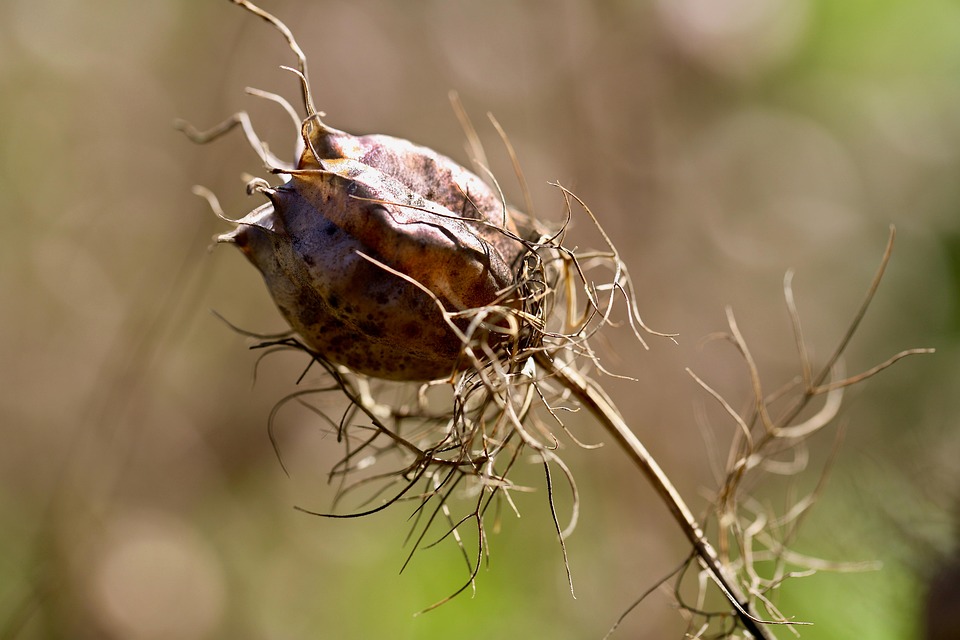
Nigella seeds come from the Nigella sativa plant, native to South Asia and the Mediterranean region. These small black seeds have been revered in various cultures for their medicinal properties. In fact, they were even found in King Tutankhamun’s tomb, highlighting their historical significance. But what makes them particularly interesting today is their potential impact on health, especially blood pressure.
Nutritional Composition
Nigella seeds are rich in several bioactive compounds, including:
- Thymoquinone: The primary active ingredient, known for its antioxidant and anti-inflammatory properties.
- Vitamins: They contain vitamins like B1, B2, and C, which support various bodily functions.
- Essential fatty acids: These contribute to heart health and may help regulate blood pressure.
Research Insights
Several studies have investigated the effects of nigella seeds on blood pressure. One notable study published in the Journal of Hypertension found that participants who consumed nigella seed extract experienced a significant reduction in systolic and diastolic blood pressure compared to those who did not.
Another study in the International Journal of Preventive Medicine reported similar findings, suggesting that the antihypertensive effects of nigella seeds might be attributed to their ability to improve endothelial function and reduce oxidative stress.
How Nigella Seeds Support Healthy Blood Pressure
1. Antioxidant Properties
One of the key ways nigella seeds can help manage blood pressure is through their antioxidant properties. Oxidative stress can lead to inflammation and vascular issues, contributing to hypertension. Thymoquinone, the active compound in nigella seeds, has been shown to neutralize free radicals, thereby reducing oxidative stress.
Practical Application: Incorporating nigella seeds into your diet can be as simple as adding them to salads, smoothies, or baked goods. I’ve personally enjoyed sprinkling them on roasted vegetables for an extra crunch and flavor.
2. Anti-Inflammatory Effects
Chronic inflammation is another factor that can elevate blood pressure. Nigella seeds contain compounds that have anti-inflammatory effects, helping to mitigate this risk. Research indicates that these seeds can reduce inflammatory markers in the body, which may lead to improved cardiovascular health.
Common Mistake: Some people might think that just consuming nigella seeds in small quantities will suffice. However, it’s essential to incorporate them regularly into your diet for sustained benefits.
3. Improve Endothelial Function
The endothelium is the thin layer of cells lining blood vessels, and its health is crucial for maintaining normal blood pressure. Studies suggest that nigella seeds can improve endothelial function, leading to better blood flow and reduced pressure on the heart.
Personal Reflection: I’ve noticed a difference in my energy levels and overall well-being since I started using nigella seeds regularly. It’s fascinating how a small change can have such a significant impact!
4. Regulation of Lipid Levels
High cholesterol and triglyceride levels can contribute to hypertension. Nigella seeds have been shown to help regulate lipid profiles, potentially lowering cholesterol levels and improving heart health.
Caveat: While some studies support this claim, others suggest that more research is needed to fully understand the lipid-lowering effects of nigella seeds.
Practical Ways to Use Nigella Seeds
Step-by-Step Guide to Incorporating Nigella Seeds
-
Start Small: If you’re new to nigella seeds, begin with a teaspoon per day. You can gradually increase the amount as you become accustomed to the taste.
-
Mix into Foods: Add nigella seeds to your favorite dishes. They pair well with:
- Salads: Sprinkle them on top of leafy greens or grain salads.
- Soups and Stews: Toss a teaspoon into your broth for added flavor.
- Baked Goods: Incorporate them into bread or muffin recipes for a unique twist.
-
Brew as Tea: Steep nigella seeds in hot water for a soothing tea. You can add honey or lemon for flavor.
-
Use as a Spice: Ground nigella seeds can be used as a spice in various cuisines, particularly in Middle Eastern and Indian dishes.
-
Consider Supplements: If you find it challenging to incorporate them into your diet, nigella seed supplements are available. However, consult with a healthcare provider before starting any new supplement.
Cultural and Historical Context
Nigella seeds have a rich history, often referred to as “the seed of blessing” in various cultures. In Islamic tradition, they are believed to have healing properties and are mentioned in Hadiths. Historically, these seeds have been used to treat a variety of ailments, from digestive issues to respiratory problems.
Personal Anecdote: During a visit to a traditional market in Turkey, I was struck by the variety of spices, including nigella seeds. The vendor passionately explained their uses, which added a layer of appreciation for this ancient remedy.
Counterpoints and Caveats
While the benefits of nigella seeds are promising, it’s essential to approach them with a balanced perspective. Not all studies agree on their efficacy, and individual responses can vary. Some people may experience side effects or allergic reactions, so it’s crucial to monitor your body’s response.
Additionally, relying solely on nigella seeds without addressing other lifestyle factors—such as diet, exercise, and stress management—may not yield the desired results in blood pressure control.
FAQs About Nigella Seeds and Blood Pressure
1. Can nigella seeds replace my blood pressure medication?
While nigella seeds may support healthy blood pressure, they should not replace prescribed medications. Always consult with your healthcare provider before making changes to your treatment plan.
2. How long does it take to see results from nigella seeds?
Results can vary based on individual health conditions and the amount consumed. Some people might notice changes within weeks, while others may take longer.
3. Are there any side effects of consuming nigella seeds?
Most people can consume nigella seeds without issues; however, some may experience allergic reactions or gastrointestinal discomfort. It’s best to start with small amounts.
4. Can I use nigella seed oil instead of the seeds?
Yes, nigella seed oil can be used, but the effects may differ. Always check dosages and consult a healthcare provider if you’re unsure.
5. What’s the best way to store nigella seeds?
Store nigella seeds in a cool, dark place in an airtight container to maintain their freshness and potency.
Conclusion
Nigella seeds offer a fascinating glimpse into the intersection of traditional remedies and modern science. While they show promise in supporting healthy blood pressure, it’s crucial to consider them as part of a broader lifestyle approach. Integrating nigella seeds into your diet could be an enjoyable and beneficial experience, but always keep in mind the importance of a balanced diet, regular exercise, and professional medical advice.
As we continue to explore natural remedies, nigella seeds remind us of the potential hidden in everyday foods. Who knows? This tiny seed might just hold the key to better heart health for you.
Medical Disclaimer
This article is for educational purposes only and does not replace professional medical guidance. Always speak with a qualified healthcare provider before making changes to your health routine.
References
- Aljabre, S. H., et al. (2017). “Effect of Nigella sativa on blood pressure: A systematic review and meta-analysis.” Journal of Hypertension. Link
- Khan, M. A., et al. (2016). “The role of Nigella sativa in the management of hypertension.” International Journal of Preventive Medicine. Link
- Koshak, A. E., et al. (2018). “Potential benefits of Nigella sativa in cardiovascular diseases.” Mayo Clinic Proceedings. Link
Get Your FREE Natural Health Guide!
Subscribe now and receive our exclusive ebook packed with natural health tips, practical wellness advice, and easy lifestyle changes, delivered straight to your inbox.