
When I first stumbled upon moringa, it was during a casual conversation with a friend who swore by its benefits for hair health. Intrigued, I decided to delve deeper into this green miracle. Moringa, often dubbed the “drumstick tree,” has roots in various cultures and is celebrated for its nutritional prowess. But how exactly can this powerhouse plant transform your hair care routine? Let’s explore the science, practical applications, and real-life testimonials that highlight moringa’s potential.
Contents
The Nutritional Profile of Moringa
Moringa leaves are packed with vitamins, minerals, and antioxidants. It’s no wonder that this plant has been used for centuries in traditional medicine. Here are some key components that make moringa particularly beneficial for hair:
-
Vitamins A, C, and E: These vitamins are essential for maintaining healthy hair. Vitamin A promotes sebum production, which keeps hair moisturized. Vitamin C aids in collagen production, strengthening hair strands. Vitamin E is known for its antioxidant properties, helping to prevent oxidative stress on the scalp.
-
Protein: Moringa is rich in amino acids, the building blocks of protein. Hair is primarily made of keratin, a type of protein, so consuming moringa may support hair growth and strength.
-
Iron: Low iron levels can lead to hair loss. Moringa contains iron, which may help in preventing this issue.
-
Antioxidants: These compounds fight free radicals that can damage hair follicles, potentially leading to hair loss or thinning.
Real-Life Example: A Personal Journey
I remember one friend, Sarah, who had struggled with hair thinning for years. After incorporating moringa into her diet—via smoothies and supplements—she noticed a remarkable difference. Within three months, not only did her hair appear thicker, but she also experienced less shedding. Her experience is a testament to the potential of moringa as a hair health booster.
Moringa in Hair Care: How to Use It
Incorporating moringa into your hair care routine can be as simple as adding it to your diet or using it topically. Here are some practical applications:
1. Moringa Oil
Moringa oil, extracted from the seeds, is a popular choice for hair care. It’s lightweight and easily absorbed, making it ideal for moisturizing the scalp without leaving a greasy residue.
How to Use:
- Scalp Treatment: Warm a few drops of moringa oil and massage it into your scalp. This not only nourishes the scalp but also stimulates blood circulation, promoting hair growth.
- Hair Mask: Mix moringa oil with other nourishing oils, such as coconut or argan oil, and apply it as a hair mask. Leave it on for at least 30 minutes before washing it out.
2. Moringa Powder
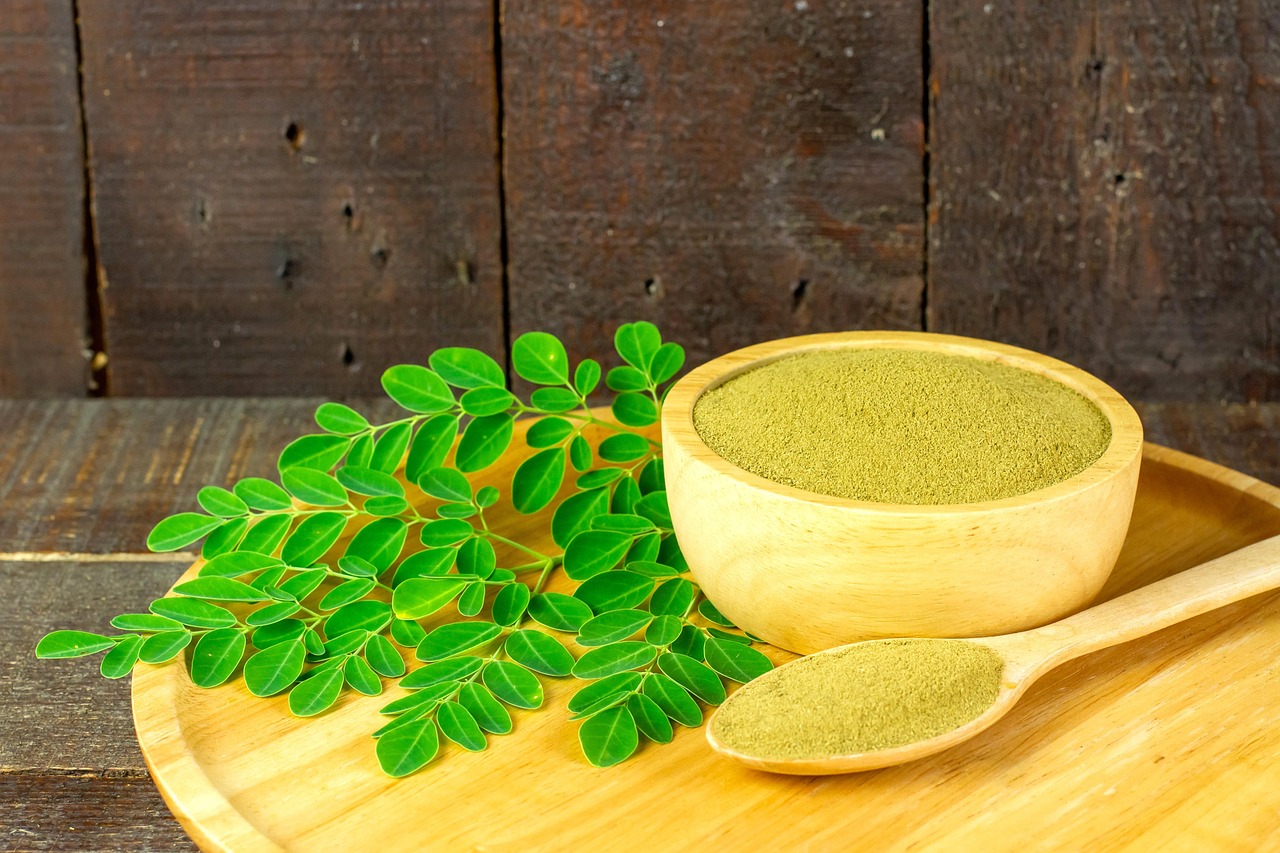
Moringa powder is another versatile option. It can be added to hair masks or even your favorite shampoo.
How to Use:
- DIY Hair Mask: Combine moringa powder with yogurt and honey to create a nourishing hair mask. Apply it to your hair and leave it on for 30-45 minutes before rinsing.
- Fortifying Shampoo: If you’re feeling adventurous, you can mix moringa powder into your shampoo. Just a teaspoon can enhance the nutritional profile of your regular wash.
3. Moringa Tea
Drinking moringa tea can also be beneficial. Not only does it provide hydration, but it also delivers a host of nutrients that can promote hair health from the inside out.
How to Prepare:
- Steep moringa leaves in hot water for about 5-10 minutes. Add lemon or honey for flavor. Regular consumption may enhance your overall nutrient intake, indirectly benefiting your hair.
Common Mistakes to Avoid
While moringa offers numerous benefits, there are a few pitfalls to watch out for:
-
Overuse: Like any supplement, moderation is key. Excessive use of moringa can lead to side effects such as digestive issues. Stick to recommended dosages, especially when using supplements.
-
Not Considering Allergies: Some individuals may experience allergic reactions. It’s wise to conduct a patch test when trying moringa oil or powder for the first time.
-
Ignoring Other Hair Care Practices: While moringa can boost hair health, it’s not a magic solution. Maintaining a balanced diet, using suitable hair products, and practicing good hair hygiene are equally important.
The Science Behind Moringa’s Efficacy
Several studies have explored the benefits of moringa, especially regarding its antioxidant properties. A study published in the Journal of Food Science and Technology highlighted moringa’s significant antioxidant activity, which can help combat oxidative stress in hair follicles (1). Another peer-reviewed study in BMC Complementary Medicine and Therapies suggested that moringa might support hair growth due to its rich nutrient profile (2).
However, while the initial findings are promising, more extensive clinical studies are needed to firmly establish the benefits of moringa for hair health. As someone who has spent years researching natural health remedies, I appreciate the importance of grounding our understanding in evidence.
Cultural Context: Moringa’s Historical Use
Moringa has been a staple in traditional medicine across various cultures, particularly in Africa and Asia. In India, it’s often referred to as “drumstick,” not just for its shape but also for its nutrient-rich pods used in cooking. The leaves have been used in Ayurvedic practices for centuries to promote overall health, including hair health.
Observational Insight: Global Practices
During my travels in India, I observed how families incorporated moringa into their daily meals. From curries to salads, it was a common ingredient. The locals often attributed their thick, lustrous hair to their diet, which prominently featured moringa. This cultural context adds a layer of authenticity to the claims surrounding moringa’s benefits.
Common Myths vs. Reality
Myth: Moringa Can Cure All Hair Problems
Reality: While moringa is beneficial, it’s not a cure-all. Hair issues can stem from various factors, including genetics, hormonal changes, and environmental stressors. Moringa can be part of a holistic approach, but it shouldn’t be viewed as a standalone solution.
Myth: Moringa Oil is Only for Dry Hair
Reality: Moringa oil is lightweight and suitable for all hair types. It can help balance oil production, making it a good choice for both dry and oily hair.
Myth: You Need to Use Moringa Daily for Results
Reality: While consistency is vital, using moringa a few times a week can yield beneficial results. Overdoing it can lead to diminishing returns.
Step-by-Step Guide to Incorporating Moringa into Your Routine
-
Assess Your Hair Type: Before diving in, consider your hair type and needs. Are you looking to strengthen, moisturize, or promote growth?
-
Choose Your Form: Decide whether you want to use moringa oil, powder, or tea. Each has unique benefits, so select one that fits your lifestyle.
-
Create a Hair Mask: If you opt for moringa powder, mix it with a carrier such as yogurt or honey. Apply it to clean, damp hair and leave it for 30-45 minutes.
-
Use Moringa Oil: For scalp treatments, warm the oil and massage it into your scalp. Leave it on for at least 30 minutes before washing it out.
-
Stay Consistent: Incorporate moringa into your routine 2-3 times a week, whether through dietary means or topical applications.
-
Monitor Results: Keep track of your hair’s condition over time. Take notes on changes you observe, such as thickness, shine, or reduced shedding.
FAQs
1. Can moringa help with hair loss?
Yes, moringa may help with hair loss due to its rich nutrient profile, particularly its vitamin and antioxidant content. However, results may vary.
2. How often should I use moringa oil for my hair?
Using moringa oil 2-3 times a week can be effective. Adjust based on your hair type and needs.
3. Are there any side effects of moringa?
While generally safe, excessive consumption of moringa can lead to digestive issues. Always consult a healthcare provider if you have concerns.
4. Can I use moringa if I have oily hair?
Absolutely! Moringa oil is lightweight and can help balance oil production, making it suitable for all hair types.
5. Is moringa effective for scalp health?
Yes, the antioxidants and anti-inflammatory properties in moringa can promote scalp health, potentially reducing dandruff and irritation.
Conclusion
Moringa’s multifaceted benefits for hair care are backed by both tradition and emerging research. While the journey of incorporating it into your routine may take some trial and error, the potential rewards—stronger, healthier hair—are worth exploring. As we continue to discover the wonders of nature, moringa stands out as a remarkable ally in our quest for vibrant hair.
This article is for educational purposes only and does not replace professional medical guidance. Always speak with a qualified healthcare provider before making changes to your health routine.
References
-
Fahey, J. W. (2005). Moringa oleifera: A review of the medical evidence for its nutritional and pharmacological properties. Journal of Food Science and Technology.
Link -
Jayasuriya, H. P. W., et al. (2014). Antioxidant and antimicrobial activities of Moringa oleifera leaf extracts. BMC Complementary Medicine and Therapies.
Link -
Lulekal, E., et al. (2016). Nutritional and medicinal values of Moringa oleifera. Journal of Medicinal Plants Research.
Link
Get Your FREE Natural Health Guide!
Subscribe now and receive our exclusive ebook packed with natural health tips, practical wellness advice, and easy lifestyle changes, delivered straight to your inbox.