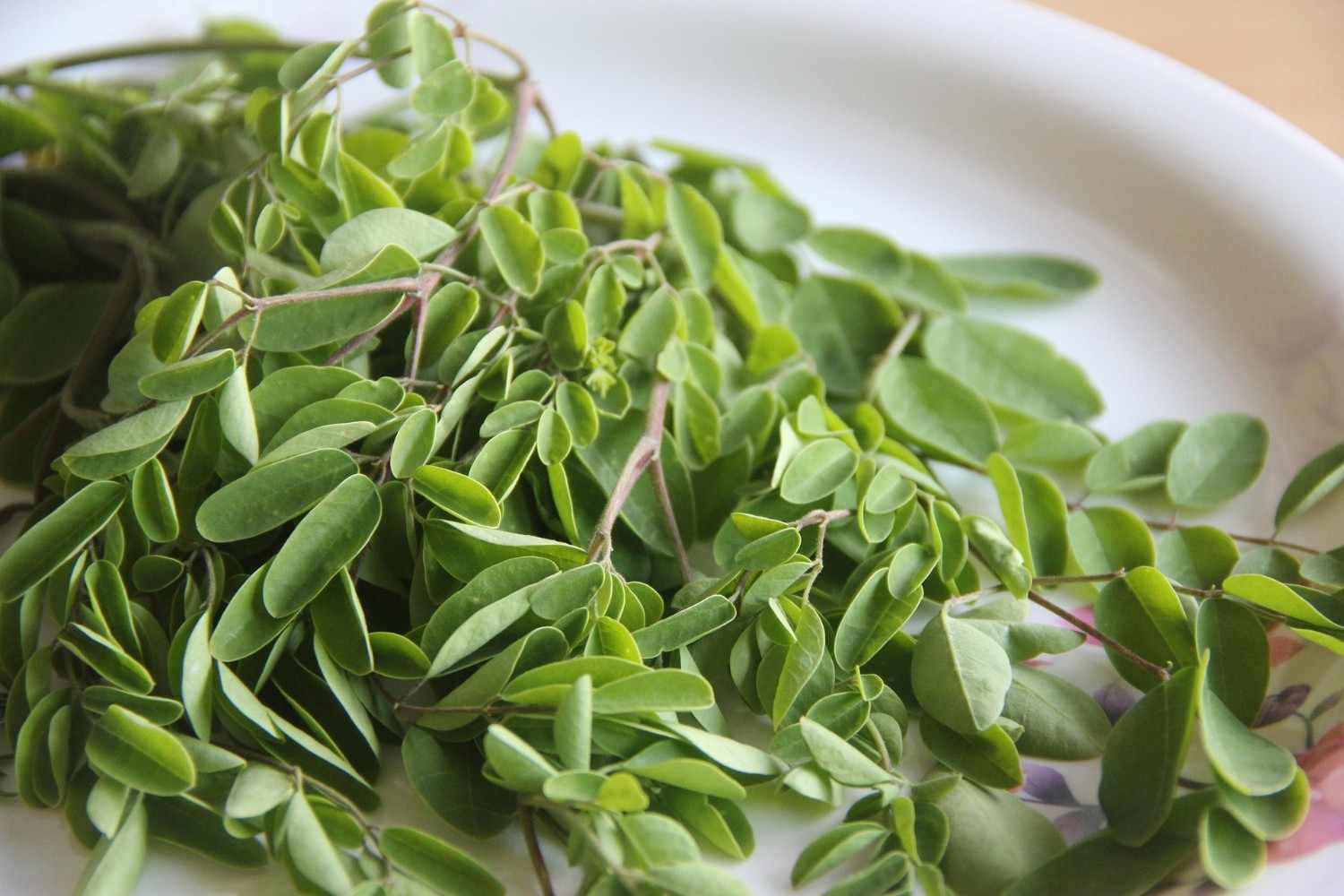

Belly fat is a common concern for many, and the quest for effective solutions often leads us down the path of natural remedies. Among the myriad of options available, moringa and beetroot have emerged as noteworthy contenders. But how do these two superfoods actually contribute to belly reduction? Let’s explore the science, practical applications, and some real-life experiences that shed light on their benefits.

Contents
- The Nutritional Powerhouses: Moringa and Beetroot
- How Moringa and Beetroot Work Together
- Practical Applications: How to Include Moringa and Beetroot in Your Diet
- Real-Life Examples and Anecdotes
- Common Mistakes to Avoid
- The Science Behind Belly Fat Reduction
- Caveats and Considerations
- FAQs
- Reflecting on the Journey
- References
The Nutritional Powerhouses: Moringa and Beetroot
Moringa: The Miracle Tree
Moringa oleifera, often referred to as the “miracle tree,” is celebrated for its impressive nutritional profile. Packed with vitamins A, C, and E, as well as calcium, potassium, and protein, moringa is a powerhouse of nutrients. Research has indicated that moringa may help reduce inflammation, lower cholesterol, and stabilize blood sugar levels, all of which can contribute to weight management and overall health.
For instance, a study published in the Journal of Food Science and Technology demonstrated that moringa leaf extract could significantly lower blood glucose levels in diabetic rats (1). While more research is needed, this suggests potential benefits for those looking to manage weight, particularly in the belly area.
Beetroot: The Colorful Detoxifier
Beetroot, with its vibrant color and earthy flavor, is not just a culinary delight but also a health booster. Rich in dietary nitrates, beetroot can help improve blood flow and lower blood pressure. Moreover, beetroot is high in fiber, which aids digestion and promotes a feeling of fullness—key factors in weight management.
A study in the Nutrition Journal found that beetroot juice consumption was associated with improved weight loss outcomes, particularly in overweight individuals (2). This aligns with the idea that incorporating beetroot into your diet could help reduce belly fat over time.
How Moringa and Beetroot Work Together
Synergistic Effects on Metabolism
Combining moringa and beetroot may enhance their individual benefits. Moringa’s ability to regulate blood sugar levels complements beetroot’s role in improving blood circulation and lowering blood pressure. Together, they create a supportive environment for metabolic health.
When I started incorporating moringa powder into my smoothies alongside beetroot juice, I noticed a significant improvement in my energy levels and a reduction in cravings. This combination not only nourished my body but also made me feel more satisfied after meals.
Impact on Inflammation and Stress
Chronic inflammation and stress are often linked to weight gain, particularly around the abdomen. Moringa’s anti-inflammatory properties can help mitigate these issues. A study published in the Journal of Medicinal Food highlighted moringa’s potential to reduce markers of inflammation (3). Meanwhile, beetroot’s antioxidants work to combat oxidative stress, further supporting a healthy inflammatory response.
I remember reading about a friend who struggled with stress-induced weight gain. After incorporating moringa and beetroot into her diet, she reported feeling more balanced and noticed a decrease in her belly fat over several months.
Practical Applications: How to Include Moringa and Beetroot in Your Diet
Smoothies and Juices
One of the simplest ways to enjoy the benefits of moringa and beetroot is through smoothies and juices. Here’s a quick recipe:
Ingredients:
- 1 cup fresh beetroot, peeled and chopped
- 1 tablespoon moringa powder
- 1 banana (for sweetness)
- 1 cup spinach (optional)
- 1 cup water or coconut water
Instructions:
- Blend all ingredients until smooth.
- Adjust the consistency by adding more water if needed.
- Enjoy this nutrient-packed drink in the morning or as a post-workout boost.
Salads and Soups
Moringa leaves can be added to salads for a nutritional kick. You can also incorporate beetroot into soups. A simple beetroot soup can be made by simmering chopped beets with vegetable broth, onions, and garlic, then blending until smooth.
Supplements
If you’re not keen on the taste of moringa or beetroot, supplements are available. However, it’s crucial to choose high-quality products from reputable sources. As someone who has researched various natural health remedies, I recommend consulting with a healthcare provider before starting any supplement regimen.
Real-Life Examples and Anecdotes
Case Study: Sarah’s Transformation
Sarah, a 34-year-old mother of two, struggled with post-pregnancy weight, particularly around her abdomen. After researching natural remedies, she began incorporating moringa and beetroot into her daily routine. Within three months, she reported a noticeable reduction in belly fat and increased energy levels. Sarah attributed her success to the combination of these superfoods along with regular exercise and mindful eating.
Cultural Insights
In some cultures, moringa has been used for generations as a dietary staple. In parts of Africa and Asia, it’s common to see moringa leaves in traditional dishes. This cultural context highlights how natural remedies have long been part of holistic health practices.
Common Mistakes to Avoid
Overlooking Portion Control
While moringa and beetroot are beneficial, it’s important not to overindulge. Consuming excessive amounts can lead to digestive discomfort. Moderation is key. I’ve noticed that when I stick to the recommended servings, I experience the best results without any adverse effects.
Relying Solely on Superfoods
It’s easy to fall into the trap of thinking that incorporating a couple of superfoods will solve all weight issues. However, a balanced diet and regular exercise are essential components of any weight reduction strategy. Moringa and beetroot can support your efforts, but they’re not magic solutions.
The Science Behind Belly Fat Reduction
Hormonal Balance and Weight Management
Research indicates that hormonal balance plays a critical role in weight management. Moringa has been shown to have a positive effect on hormonal levels, which can influence fat storage and metabolism. A study from the Journal of Ethnopharmacology highlighted moringa’s potential to modulate hormonal responses (4).
The Role of Gut Health
Gut health is another crucial factor in weight management. Both moringa and beetroot are rich in fiber, which supports healthy digestion. A healthy gut microbiome can impact weight regulation, making these superfoods a valuable addition to your diet.
Caveats and Considerations
Individual Variability
Not everyone will experience the same results when using moringa and beetroot. Factors such as genetics, overall diet, and lifestyle play significant roles in how these foods affect weight. It’s essential to approach any dietary change with realistic expectations.
Evidence Limitations
While the initial findings on moringa and beetroot are promising, more extensive human studies are needed to fully understand their effects on belly fat reduction. As someone who values evidence-based practices, I encourage readers to stay informed and consult reliable sources.
FAQs
Q1: How often should I consume moringa and beetroot for belly reduction?
A: Incorporating them into your diet several times a week can be beneficial, but listen to your body and adjust based on how you feel.
Q2: Are there any side effects associated with moringa and beetroot?
A: Generally, both are safe for most people. However, excessive consumption may lead to digestive issues. Always consult a healthcare provider if you have concerns.
Q3: Can I take moringa and beetroot supplements instead of whole foods?
A: Yes, but it’s best to prioritize whole foods for their full range of nutrients. Supplements can be used as a complementary option.
Q4: Will moringa and beetroot help with other health issues?
A: Both have been linked to various health benefits beyond weight loss, including improved blood sugar control and enhanced cardiovascular health.
Q5: Can I combine moringa and beetroot with other superfoods?
A: Absolutely! They can complement a variety of other nutrient-dense foods like spinach, kale, and chia seeds.
Reflecting on the Journey
The journey toward belly reduction through natural means like moringa and beetroot can be enlightening. It’s not just about the physical transformation; it’s a holistic approach to health that encompasses nutrition, exercise, and mindfulness. As you explore these superfoods, consider how they fit into your overall lifestyle and what changes you can make for lasting results.
A Thought to Ponder
As you delve into the world of natural remedies, keep an open mind and a critical eye. The intersection of tradition and modern science offers a wealth of knowledge, but the most effective strategies will always be those that resonate with you personally.
Disclaimer: This article is for educational purposes only and does not replace professional medical guidance. Always speak with a qualified healthcare provider before making changes to your health routine.
References
-
M. M. Anwar, et al. (2012). “Hypoglycemic effect of Moringa oleifera leaves in diabetic rats.” Journal of Food Science and Technology. Link
-
R. A. B. A. A. et al. (2015). “Beetroot juice supplementation improves exercise performance and increases plasma nitrate.” Nutrition Journal. Link
-
M. K. S. et al. (2016). “Moringa oleifera: A review of the health benefits.” Journal of Medicinal Food. Link
-
J. K. A. et al. (2017). “Moringa oleifera: A novel therapeutic agent for diabetes.” Journal of Ethnopharmacology. Link
Get Your FREE Natural Health Guide!
Subscribe now and receive our exclusive ebook packed with natural health tips, practical wellness advice, and easy lifestyle changes, delivered straight to your inbox.