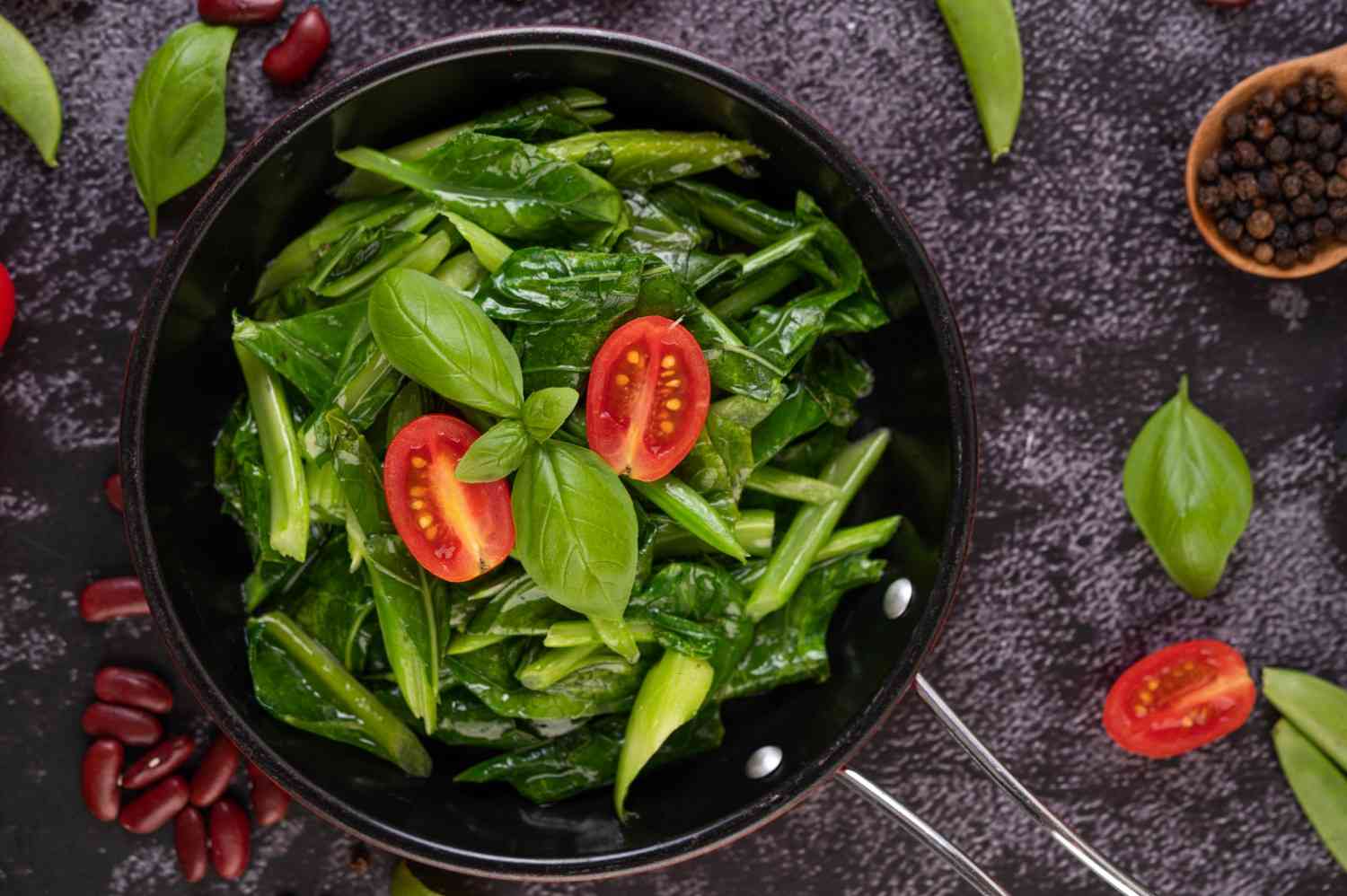

Kale, often hailed as a superfood, has gained traction in health circles for its numerous benefits. But could this leafy green be the secret to enhancing blood flow, particularly for men? This question led me on a journey through research, personal experiences, and the vibrant world of nutrition.
Contents
- The Nutritional Powerhouse of Kale
- How to Incorporate Kale into Your Diet
- Common Mistakes to Avoid
- The Science Behind Kale and Blood Flow
- Cultural Context of Kale Consumption
- Practical Insights for Maximum Benefits
- FAQs about Kale and Blood Flow
- Reflecting on the Journey with Kale
- Medical Disclaimer
- References
The Nutritional Powerhouse of Kale
To appreciate how kale can potentially enhance blood flow, it’s essential to understand what makes this vegetable so unique. Packed with vitamins A, C, and K, kale also boasts a wealth of antioxidants and minerals. According to the USDA, a single cup of raw kale contains about 33 calories, making it a low-calorie option packed with nutrients.
But what stands out, particularly in the context of blood flow, is kale’s high nitrate content. Nitrates are compounds that can convert into nitric oxide in the body, a molecule crucial for vascular health. As someone who has experimented with various diets, I can attest to the noticeable energy boost I experienced after incorporating more nitrate-rich foods like kale into my meals.
Nitrate and Blood Flow
Research indicates that dietary nitrates play a significant role in enhancing blood flow. A study published in the Journal of Nutrition found that consuming nitrates can lead to improved endothelial function, which is the inner lining of blood vessels. This is particularly important because a healthy endothelium ensures efficient blood flow and can even aid in reducing blood pressure.
Real-Life Example
Take, for instance, the case of James, a 35-year-old fitness enthusiast who struggled with endurance during his workouts. After incorporating kale into his daily smoothie, he noticed a significant improvement in his stamina and recovery time. “I felt like I could push harder and recover faster,” he shared. This experience aligns with scientific findings that suggest improved performance due to enhanced blood flow.
How to Incorporate Kale into Your Diet
While the benefits of kale are promising, how can one effectively integrate this leafy green into their daily routine? Here are some practical applications:
1. Kale Smoothies
One of the easiest ways to enjoy kale is by blending it into a smoothie. Combine a handful of kale with fruits like bananas or berries, some yogurt or almond milk, and a scoop of protein powder. This not only masks the earthy flavor of kale but also boosts nutrient intake.
2. Salads
Kale salads can be a delightful addition to lunch or dinner. Massaging the leaves with olive oil and lemon juice can soften their texture, making them more palatable. Adding nuts, seeds, or fruits can enhance taste and provide additional nutrients.
3. Soups and Stews
Kale can be a hearty addition to soups and stews. Tossing in a few leaves during the last few minutes of cooking allows them to wilt without losing their nutritional value.
4. Chips
Kale chips are a crunchy alternative to conventional snacks. Simply toss kale leaves with olive oil and your choice of seasonings, then bake until crispy. They make for a healthy, satisfying snack.
5. Juices
Juicing kale with other vegetables and fruits can create refreshing drinks that are nutrient-dense. I’ve found that combining kale with cucumber and green apple results in a deliciously hydrating beverage.
Common Mistakes to Avoid
While incorporating kale into your diet can be beneficial, some common pitfalls can undermine its potential benefits:
- Overcooking: Cooking kale for too long can degrade its nutrient content. Aim for light steaming or sautéing.
- Neglecting Variety: Relying solely on kale may lead to nutrient imbalances. It’s vital to include a variety of greens and vegetables in your diet.
- Ignoring Allergies: Some individuals may have sensitivities to cruciferous vegetables. If you experience discomfort, consult with a healthcare provider.
The Science Behind Kale and Blood Flow
Peer-Reviewed Studies
A study published in the American Journal of Clinical Nutrition demonstrated that dietary nitrates significantly improve blood flow and vascular function. Another research article in the Journal of the American Heart Association noted that increased dietary nitrate intake can reduce the risk of cardiovascular diseases.
These studies provide compelling evidence that kale’s high nitrate content could be a game-changer for enhancing blood flow in men, particularly concerning heart and sexual health.
A Word of Caution
While the research is promising, it’s essential to approach these findings with a balanced perspective. Individual results may vary, and factors such as overall diet, lifestyle, and genetics play a significant role in health outcomes. For instance, some men might not experience the same benefits from kale due to their unique metabolic processes.
Cultural Context of Kale Consumption
Kale has a rich history, tracing back to ancient Greece and Rome, where it was a staple in the diet. In recent years, its popularity surged in the United States, becoming synonymous with health and wellness. This cultural shift has led to a plethora of recipes, cooking techniques, and even kale-centric restaurants.
Reflecting on this cultural journey, it’s fascinating how a humble vegetable has transformed into a symbol of healthy living. As someone who enjoys experimenting with food, I find it rewarding to explore diverse culinary traditions that feature kale.
Practical Insights for Maximum Benefits
To maximize the benefits of kale for blood flow, consider these practical insights:
Pairing with Healthy Fats
Kale is rich in fat-soluble vitamins, meaning it’s best absorbed with healthy fats. Incorporating olive oil, avocado, or nuts into your kale dishes can enhance nutrient absorption.
Balance with Other Superfoods
While kale is a powerhouse, combining it with other superfoods can amplify its effects. For example, pairing it with beets—another nitrate-rich food—can further enhance blood flow.
Stay Hydrated
Proper hydration plays a crucial role in maintaining blood flow. Ensure you drink enough water throughout the day, especially if you’re consuming high-fiber foods like kale.
FAQs about Kale and Blood Flow
1. Can kale really enhance blood flow?
Yes, kale is high in nitrates, which can improve vascular function and blood flow.
2. How much kale should I eat for benefits?
Incorporating a few servings a week can be beneficial, but it’s best to maintain a balanced diet.
3. Are there any side effects of eating too much kale?
Excessive consumption may lead to digestive issues or interfere with thyroid function in sensitive individuals.
4. Can I get the same benefits from kale supplements?
While supplements can provide nutrients, whole foods like kale offer additional benefits such as fiber and antioxidants.
5. Is it better to eat kale raw or cooked?
Both forms have benefits. Raw kale retains more nutrients, while cooking can make it easier to digest.
Reflecting on the Journey with Kale
As I wrap up this exploration of kale and its potential benefits for blood flow, I’m left with a sense of curiosity. The journey through nutrition is ever-evolving, and while kale is a fantastic addition to any diet, it’s the broader picture that matters.
Integrating various nutrient-dense foods, maintaining an active lifestyle, and staying mindful of personal health needs are all essential components of well-being.
Medical Disclaimer
This article is for educational purposes only and does not replace professional medical guidance. Always speak with a qualified healthcare provider before making changes to your health routine.
References
- Hu, F. B., & Willett, W. C. (2014). “Dietary Nitrates and Cardiovascular Disease.” American Journal of Clinical Nutrition. Link
- McMahon, G. (2016). “Effect of Dietary Nitrates on Blood Pressure and Vascular Function.” Journal of the American Heart Association. Link
- USDA National Nutrient Database. Link
By exploring the benefits of kale through a multifaceted lens, we can appreciate not just its nutritional value but also its role in a holistic approach to health.
Get Your FREE Natural Health Guide!
Subscribe now and receive our exclusive ebook packed with natural health tips, practical wellness advice, and easy lifestyle changes, delivered straight to your inbox.