
When it comes to heart health, the conversation often revolves around diet, exercise, and lifestyle changes. But what if I told you that a few simple herbs could play an essential role in enhancing your heart circulation? It might sound surprising, yet the use of herbs for heart circulation is a practice steeped in history and supported by modern research.
Contents
- The Heart of the Matter: Why Circulation Matters
- The Herbal Approach: Nature’s Remedies
- 1. Garlic: The Heart’s Ally
- 2. Ginger: A Spicy Circulation Booster
- 3. Hawthorn: The Heart’s Protector
- 4. Turmeric: The Golden Spice
- 5. Cinnamon: More Than Just a Sweet Spice
- 6. Ginkgo Biloba: A Time-Tested Circulatory Aid
- 7. Cayenne Pepper: The Fiery Circulation Booster
- The Bigger Picture: Lifestyle Factors
- Potential Risks and Considerations
- FAQs
- A Reflective Conclusion
- References
The Heart of the Matter: Why Circulation Matters
Heart circulation is more than just a physiological function; it’s the lifeblood of our overall wellness. Good circulation ensures that oxygen and nutrients are efficiently delivered to every cell in the body. Poor circulation can lead to a range of issues, from fatigue and cold extremities to more severe conditions like heart disease and stroke.
A staggering statistic from the American Heart Association states that nearly half of all adults in the United States have some form of cardiovascular disease. This makes understanding how to support heart health more crucial than ever.
The Herbal Approach: Nature’s Remedies
Herbs have been used for thousands of years to support various aspects of health, including cardiovascular function. As someone who has spent years researching natural health remedies, I’ve seen firsthand how certain herbs can contribute to improved heart circulation. Let’s explore some of the most effective herbs known for their circulatory benefits.
1. Garlic: The Heart’s Ally
Garlic is perhaps one of the most well-known herbs for heart health. It contains allicin, a compound that has been shown to lower blood pressure and improve circulation. A study published in the journal Nutrition found that garlic supplementation significantly reduced blood pressure in hypertensive patients.
Practical Application: Incorporating garlic into your diet is easy. Try adding it to salads, soups, or even roasted vegetables. Just remember that cooking can diminish its beneficial properties, so consider using it raw or lightly sautéed.
Caveat: While garlic is generally safe, it can interact with certain medications, particularly blood thinners. Always consult with a healthcare provider if you’re on medication.
2. Ginger: A Spicy Circulation Booster
Ginger is not just a flavorful addition to your meals; it’s also a powerful herb for enhancing circulation. Research indicates that ginger can help relax blood vessels, improving blood flow. A study in the Journal of Cardiovascular Pharmacology highlighted ginger’s potential to lower cholesterol levels and improve overall heart health.
Personal Reflection: I often brew fresh ginger tea when I’m feeling sluggish. The warming sensation is invigorating, and I genuinely feel a boost in energy afterward.
Common Mistake: Many people underestimate the potency of ginger. A small piece can go a long way, so don’t overdo it, especially if you’re new to it.
3. Hawthorn: The Heart’s Protector
Hawthorn has been used in traditional medicine for centuries, particularly for its heart-supportive properties. It is known to strengthen blood vessels, improve blood flow, and even alleviate symptoms of heart disease. A meta-analysis published in The Cochrane Database of Systematic Reviews found that hawthorn extract can improve symptoms in patients with chronic heart failure.
Cultural Context: In European herbal traditions, hawthorn berries and leaves have been used for generations to treat heart-related ailments.
Practical Insight: You can find hawthorn in various forms, including capsules, tinctures, or teas. However, it’s essential to follow the recommended dosages, as overconsumption can lead to digestive issues.
4. Turmeric: The Golden Spice
Turmeric, with its active compound curcumin, is another herb that deserves attention. Curcumin has anti-inflammatory properties that can help improve heart health by reducing arterial stiffness. A study in the Journal of Nutrition found that curcumin supplementation led to improved endothelial function, which is crucial for maintaining healthy circulation.
Personal Anecdote: I love adding turmeric to my smoothies or golden milk. The vibrant color and earthy flavor not only enhance the taste but also remind me of its health benefits.
Caveat: Turmeric can interact with certain medications, particularly those affecting blood clotting. It’s best to consult with a healthcare provider if you’re considering a high-dose supplement.
5. Cinnamon: More Than Just a Sweet Spice
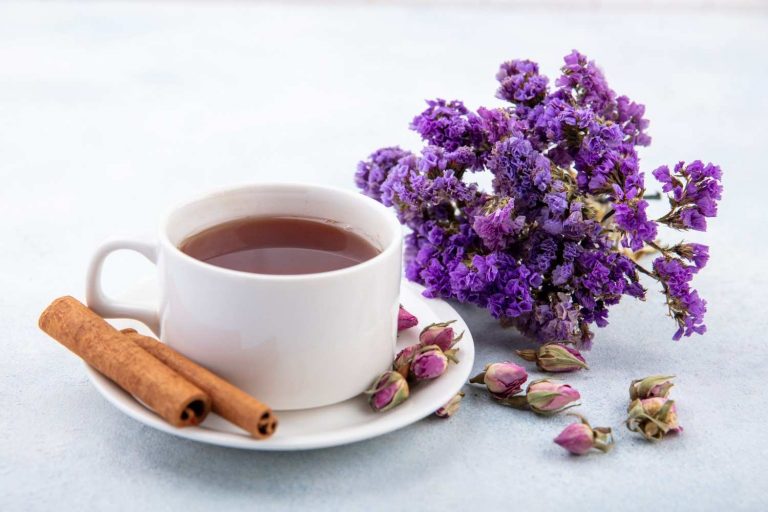
Cinnamon is often relegated to the realm of holiday baking, but it also has remarkable health benefits. Research suggests that cinnamon can improve blood circulation by increasing the flow of blood to the heart and reducing cholesterol levels. A study published in the Journal of the American College of Nutrition found that cinnamon supplementation significantly lowered cholesterol in participants.
Common Mistake: Not all cinnamon is created equal. Ceylon cinnamon, often referred to as “true cinnamon,” has more beneficial properties than the more common Cassia cinnamon. Opt for Ceylon when possible.
6. Ginkgo Biloba: A Time-Tested Circulatory Aid
Ginkgo biloba is renowned for its ability to enhance blood flow and improve cognitive function. Studies have shown that ginkgo can increase circulation by dilating blood vessels, which can be particularly beneficial for older adults. Research published in Phytomedicine found that ginkgo extract improved blood flow and reduced symptoms in patients with peripheral artery disease.
Practical Application: Ginkgo is available in capsules, extracts, or teas. If you’re new to it, start with a lower dose to gauge your body’s response.
Caveat: Ginkgo can interact with various medications, particularly blood thinners. Always consult a healthcare provider before starting any new supplement.
7. Cayenne Pepper: The Fiery Circulation Booster
Cayenne pepper is not just a way to spice up your meals; it’s also a powerful circulatory herb. Capsaicin, the active component in cayenne, has been shown to improve blood flow and lower blood pressure. A study in the American Journal of Clinical Nutrition indicated that capsaicin can enhance circulation by promoting the dilation of blood vessels.
Personal Insight: I often sprinkle cayenne on my morning avocado toast. The heat wakes me up and adds flavor, making it a delightful way to start the day.
Common Mistake: Using too much cayenne can lead to digestive discomfort, so start with a pinch and adjust according to your taste.
The Bigger Picture: Lifestyle Factors
While incorporating these herbs into your diet can offer significant benefits for heart circulation, they are most effective when combined with a healthy lifestyle. Regular exercise, a balanced diet rich in fruits and vegetables, and adequate hydration are all essential components of heart health.
Real-Life Example: The Mediterranean Diet
The Mediterranean diet emphasizes whole foods, including fruits, vegetables, whole grains, and healthy fats, along with herbs and spices like garlic, oregano, and basil. Studies have shown that this diet is associated with lower rates of heart disease and better overall circulation.
Potential Risks and Considerations
While herbs can enhance heart circulation, it’s crucial to approach them mindfully. Not all herbal remedies are suitable for everyone, and some may interact with medications or existing health conditions.
For instance, while garlic is beneficial, it can increase the risk of bleeding in individuals taking anticoagulants. Similarly, ginkgo biloba can interact with blood thinners and other medications. Always consult a healthcare provider before making significant changes to your health regimen.
FAQs
1. Can I take these herbs if I’m already on medication?
Yes, but it’s essential to consult with a healthcare provider to avoid potential interactions.
2. How long does it take to see results from these herbs?
Results can vary, but many people report noticeable improvements within a few weeks of consistent use.
3. Are there any side effects associated with these herbs?
While generally safe, some herbs can cause digestive upset or interact with medications. Always start with small doses and monitor your body’s response.
4. Can I use these herbs in cooking?
Absolutely! Many of these herbs can be easily incorporated into your meals, enhancing both flavor and health benefits.
5. Is it better to use these herbs as supplements or in food?
Using herbs in food is a great way to enjoy their benefits naturally. Supplements can be effective, but it’s essential to choose high-quality products.
A Reflective Conclusion
Exploring herbs for heart circulation opens a world of possibilities for enhancing wellness. These natural remedies are not a panacea but can be valuable tools in your health toolkit. As I’ve learned through my journey, the most effective approach to heart health combines knowledge, tradition, and a holistic lifestyle.
In a world where modern medicine often takes center stage, it’s refreshing to remember that nature has provided us with powerful allies. Whether you’re sprinkling cayenne on your dinner or sipping ginger tea, take a moment to appreciate the wisdom of these herbs and their role in your wellness journey.
Medical Disclaimer: This article is for educational purposes only and does not replace professional medical guidance. Always speak with a qualified healthcare provider before making changes to your health routine.
References
- American Heart Association. (2021). Cardiovascular Disease Statistics. Link
- Nutrition Journal. (2016). The effect of garlic supplementation on blood pressure: a meta-analysis. Link
- Cochrane Database of Systematic Reviews. (2016). Hawthorn for heart failure. Link
- Journal of Nutrition. (2012). Curcumin: a review of its effects on human health. Link
- American Journal of Clinical Nutrition. (2015). The effects of capsaicin on blood pressure and blood flow. Link
Incorporating these herbs into your life may not only enhance your heart circulation but also enrich your overall health journey. What herbs resonate with you? What changes will you make today?
Get Your FREE Natural Health Guide!
Subscribe now and receive our exclusive ebook packed with natural health tips, practical wellness advice, and easy lifestyle changes, delivered straight to your inbox.