
Blood pressure management is a topic that resonates with many individuals, especially as hypertension becomes increasingly prevalent in our society. With a plethora of medications and lifestyle changes available, natural remedies often get overlooked. One such remedy that has garnered attention is fenugreek seeds. As someone who has spent years researching natural health remedies, I’ve found that fenugreek seeds offer a unique approach to managing blood pressure while promoting overall health.
Contents
The Historical Context of Fenugreek
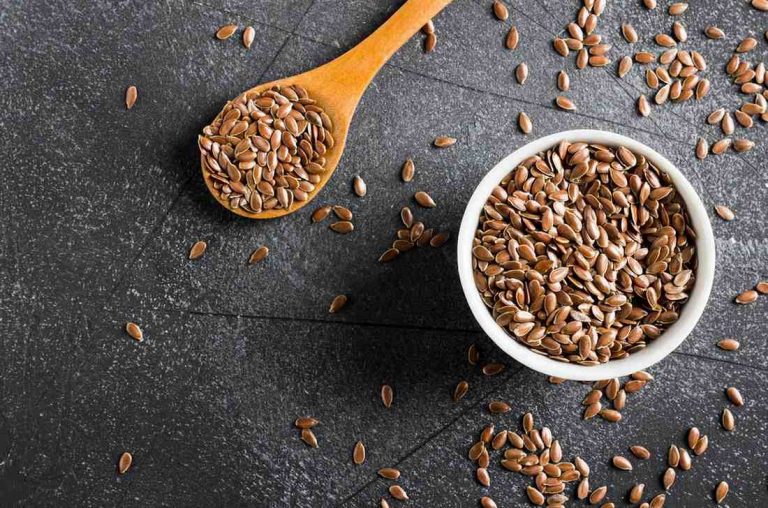
Fenugreek (Trigonella foenum-graecum), a plant native to the Mediterranean region and parts of Asia, has been used for centuries in traditional medicine. Ancient Egyptians revered fenugreek for its health benefits, utilizing it in various remedies. In Ayurvedic medicine, fenugreek is frequently employed to address a range of ailments, including digestive issues and inflammation. Its seeds, rich in nutrients and bioactive compounds, are particularly valued for their potential health benefits.
Interestingly, fenugreek seeds have also been a staple in culinary traditions, especially in Indian and Middle Eastern cuisines. The flavor they impart is often described as slightly sweet and nutty. Yet, beyond their culinary appeal, fenugreek seeds are increasingly recognized for their therapeutic properties, particularly in relation to blood pressure management.
Understanding Blood Pressure and Its Implications
Before diving into how fenugreek seeds can assist in managing blood pressure, it’s crucial to understand what blood pressure is and why it matters. Blood pressure is the force exerted by circulating blood against the walls of blood vessels. It’s measured in millimeters of mercury (mmHg) and is represented by two numbers: systolic (the pressure during heartbeats) and diastolic (the pressure between heartbeats).
Hypertension, or high blood pressure, is often termed a “silent killer” because it typically presents no symptoms. Over time, uncontrolled hypertension can lead to severe complications, including heart disease, stroke, and kidney damage. According to the American Heart Association, nearly half of American adults have high blood pressure, emphasizing the need for effective management strategies.
The Nutritional Profile of Fenugreek Seeds
Fenugreek seeds are a powerhouse of nutrition. They contain a variety of essential nutrients, including:
- Fiber: Aids in digestion and helps regulate blood sugar levels.
- Vitamins: Particularly B vitamins, which are important for energy metabolism.
- Minerals: Such as iron, magnesium, and potassium, all of which play vital roles in heart health.
- Antioxidants: These compounds help combat oxidative stress, which can contribute to hypertension.
Research has shown that the presence of these nutrients can positively influence blood pressure levels. For instance, potassium is known to help relax blood vessel walls, thereby reducing blood pressure.
How Fenugreek Seeds May Help Lower Blood Pressure
1. Bioactive Compounds
Fenugreek seeds contain several bioactive compounds, including saponins, flavonoids, and alkaloids. These compounds have been shown to exhibit antihypertensive properties.
Research Insight
A study published in the Journal of Ethnopharmacology found that fenugreek seeds had a significant effect on reducing blood pressure in hypertensive rats. While animal studies are not directly translatable to humans, they provide valuable insights into the potential mechanisms at play.
2. Improved Insulin Sensitivity
High blood pressure and insulin resistance often go hand in hand. Fenugreek seeds may improve insulin sensitivity, which can help regulate blood pressure.
Real-Life Example
I’ve noticed that many individuals who incorporate fenugreek seeds into their diet report improved energy levels and better overall health. For example, a friend of mine with borderline hypertension began adding fenugreek seeds to his smoothies. Over a few months, he not only saw a drop in his blood pressure readings but also felt more energetic throughout the day.
3. Anti-Inflammatory Effects
Chronic inflammation can contribute to hypertension. Fenugreek seeds have anti-inflammatory properties that may help reduce inflammation in the body.
Cultural Context
In many cultures, fenugreek is consumed not just for its flavor but also for its health benefits. For instance, in India, mothers often encourage their children to consume fenugreek seeds to promote overall health, believing it strengthens the body and immune system.
4. Dietary Fiber
The high fiber content in fenugreek seeds can help regulate blood sugar levels and promote heart health. A diet rich in fiber has been associated with lower blood pressure.
Practical Application
Incorporating fenugreek seeds into your diet can be simple. You can soak the seeds overnight and consume them in the morning or add the ground seeds to various dishes. However, moderation is key; too much fiber can lead to digestive issues.
5. Potassium Content
As mentioned earlier, potassium is crucial for heart health. Fenugreek seeds are a good source of potassium, which helps to lower blood pressure.
Common Mistake
Many people overlook the importance of potassium in their diets. While they might focus on reducing sodium intake, they often forget to increase potassium-rich foods. Fenugreek can serve as a delightful addition to your potassium-rich food arsenal.
How to Incorporate Fenugreek Seeds into Your Diet
If you’re interested in trying fenugreek seeds to help manage your blood pressure, here are some practical steps:
1. Soaking and Consuming Raw
Soak a tablespoon of fenugreek seeds overnight. In the morning, drain and rinse them, then consume them raw. This method retains most of their nutrients.
2. Fenugreek Tea
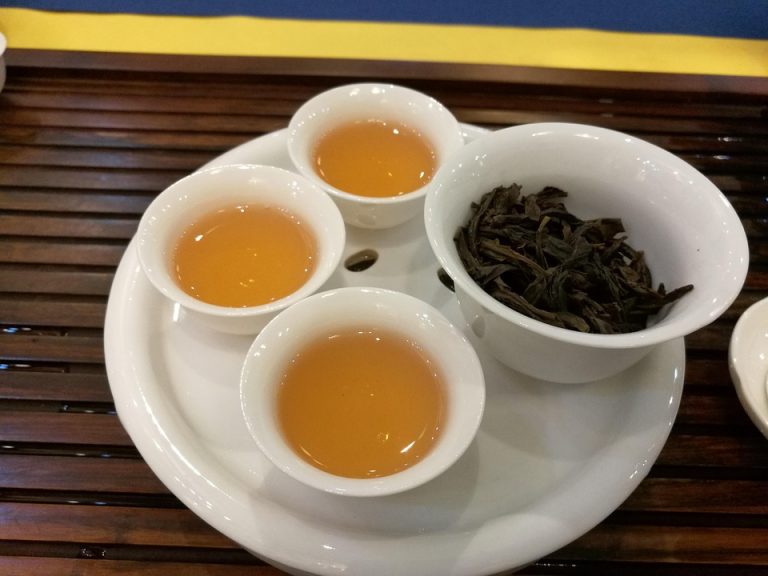
Make a soothing fenugreek tea by boiling soaked seeds in water. You can add honey or lemon for flavor. This tea can be a comforting evening ritual while offering potential health benefits.
3. Spice It Up
Incorporate ground fenugreek seeds into your cooking. They can be added to curries, stews, or even sprinkled on salads.
4. Fenugreek Supplements
If you find it challenging to incorporate fenugreek seeds into your diet, consider fenugreek supplements. However, consult with a healthcare provider before starting any new supplement regimen.
Caveats and Considerations
While fenugreek seeds offer several potential benefits for blood pressure management, it’s essential to approach them with caution.
1. Mixed Research Findings
Although some studies suggest that fenugreek may help lower blood pressure, others show inconclusive results. For instance, a systematic review published in the Journal of Hypertension indicated that while there is some evidence supporting the antihypertensive effects of fenugreek, more rigorous studies are needed to establish definitive conclusions.
2. Allergic Reactions
Some individuals may be allergic to fenugreek. If you experience any adverse reactions, such as skin rashes or gastrointestinal discomfort, discontinue use and consult a healthcare provider.
3. Drug Interactions
Fenugreek may interact with certain medications, particularly those for diabetes, as it can lower blood sugar levels. Always consult your healthcare provider before introducing fenugreek into your routine, especially if you’re on medication.
FAQs
1. Can fenugreek seeds be consumed daily?
Yes, consuming fenugreek seeds daily can be beneficial, but moderation is key. Start with a small amount and observe how your body reacts.
2. How long does it take to see results from fenugreek seeds?
Results can vary. Some individuals may notice changes in blood pressure within a few weeks, while others may take longer.
3. Are there any side effects of fenugreek seeds?
Possible side effects include gastrointestinal discomfort and allergic reactions. Always consult a healthcare provider if unsure.
4. Can I use fenugreek seeds if I have low blood pressure?
If you have low blood pressure, it’s advisable to consult a healthcare provider before using fenugreek, as it may lower blood pressure further.
5. Where can I buy fenugreek seeds?
Fenugreek seeds are widely available in health food stores, supermarkets, and online retailers.
Conclusion
Fenugreek seeds present a fascinating natural option for managing blood pressure. With a rich history and numerous potential health benefits, they deserve a place in the modern diet. However, as with any natural remedy, it’s crucial to approach them with a balanced perspective. The research is promising, but it’s essential to remain mindful of individual health conditions and consult healthcare professionals when necessary.
As we continue to explore natural remedies for health management, fenugreek seeds remind us of the wisdom contained within traditional practices. Whether you’re a seasoned health enthusiast or just beginning your journey, fenugreek seeds may offer a flavorful and healthful addition to your daily routine.
Medical Disclaimer: This article is for educational purposes only and does not replace professional medical guidance. Always speak with a qualified healthcare provider before making changes to your health routine.
References
- Journal of Ethnopharmacology – Fenugreek and blood pressure
- Journal of Hypertension – Systematic review on fenugreek
- American Heart Association – Understanding blood pressure
Get Your FREE Natural Health Guide!
Subscribe now and receive our exclusive ebook packed with natural health tips, practical wellness advice, and easy lifestyle changes, delivered straight to your inbox.