
Imagine walking through a bustling market in Morocco, the air thick with the aroma of spices. Among them, cumin stands out—not just for its distinct flavor but for its potential health benefits. This tiny seed has been a cornerstone in various cuisines and traditional medicines for centuries. But can this spice really help balance hormones?



As someone who has spent years researching natural health remedies and their effects on the body, I’ve found that cumin’s impact on hormonal health is both fascinating and backed by emerging science. In this article, we’ll explore how cumin can contribute to hormonal balance, the science behind it, practical applications, and what to keep in mind as you consider incorporating it into your routine.
Contents
The Hormonal Landscape
Understanding hormones is crucial to appreciating cumin’s potential effects. Hormones are chemical messengers that regulate numerous bodily functions, including metabolism, mood, and reproductive health. When these hormones fall out of balance, it can lead to a variety of issues, including weight gain, fatigue, mood swings, and even reproductive problems.
The Role of Hormones
To put it simply, hormones like estrogen, testosterone, and cortisol play significant roles in our overall health. For instance, estrogen is vital for reproductive health in women, while testosterone is crucial for muscle mass and libido in men. Cortisol, often referred to as the stress hormone, can wreak havoc on the body when levels are chronically elevated.
The Need for Balance
A balanced hormonal environment is essential for overall well-being. Factors such as stress, poor diet, lack of exercise, and even environmental toxins can disrupt this balance. This is where natural remedies like cumin can come into play.
Cumin: A Brief Overview
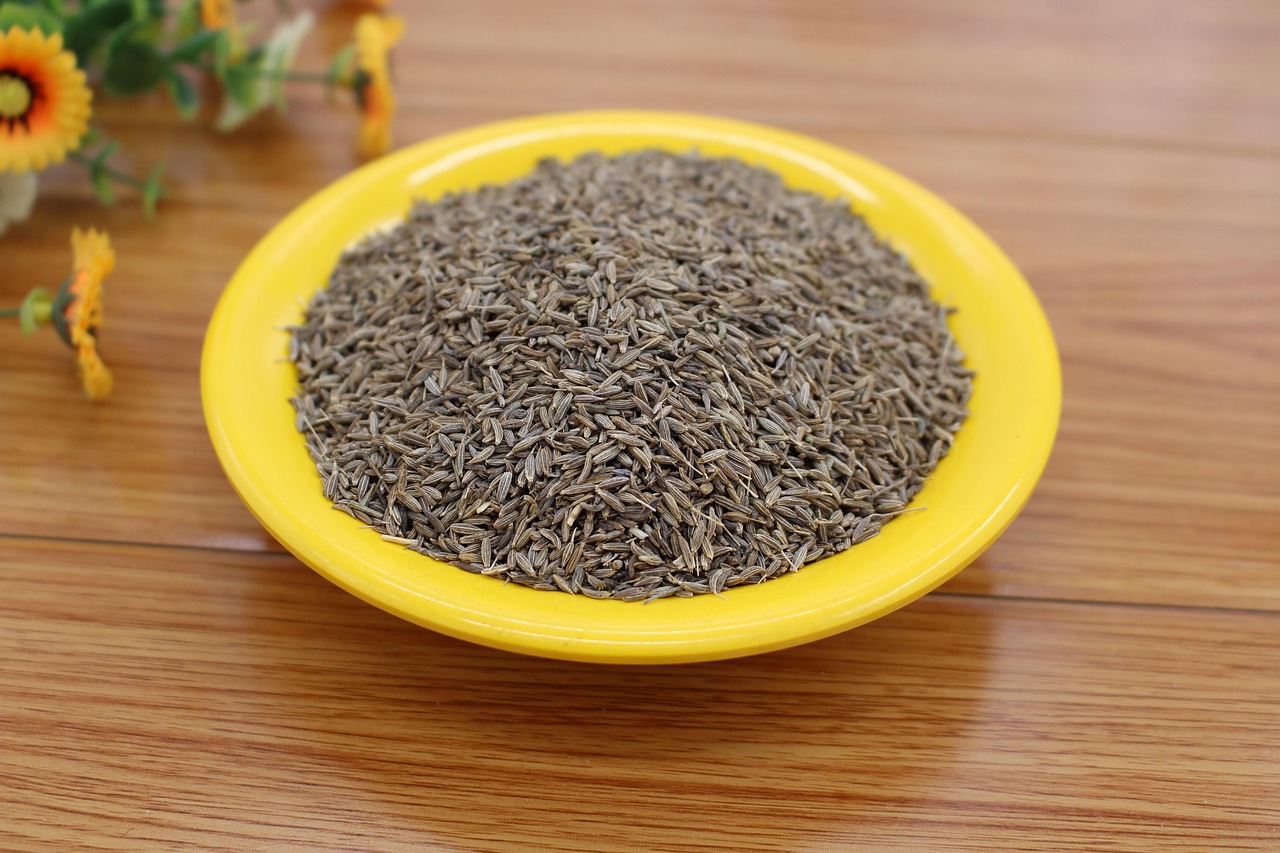
Cumin (Cuminum cyminum) is a flowering plant in the parsley family, native to the eastern Mediterranean and South Asia. Its seeds are used as a spice and have been a staple in traditional medicine for centuries. Beyond its culinary uses, cumin has garnered attention for its potential health benefits, particularly in relation to hormonal balance.
Nutritional Profile
Cumin seeds are rich in essential nutrients, including:
- Iron: Important for oxygen transport and energy levels.
- Magnesium: Plays a role in over 300 enzymatic reactions in the body.
- Antioxidants: Help combat oxidative stress, which can impact hormonal health.
How Cumin Affects Hormones
1. Cumin and Estrogen
One of the most intriguing aspects of cumin is its potential to influence estrogen levels. A study published in the Journal of Ethnopharmacology found that cumin extract may have phytoestrogenic properties, meaning it can mimic estrogen in the body. This could be particularly beneficial for women experiencing hormonal fluctuations, such as those in perimenopause or menopause.
Real-Life Example
Consider Maria, a 48-year-old woman who has been struggling with mood swings and hot flashes. After doing some research, she decided to incorporate cumin into her diet. Within weeks, she noticed a decrease in her symptoms, attributing part of her relief to the cumin-infused dishes she began preparing.
2. Cumin and Testosterone
On the flip side, cumin may also play a role in testosterone levels. Some studies suggest that cumin can enhance testosterone production, which is crucial for men’s health, particularly as they age. A study published in The Journal of Clinical Endocrinology & Metabolism indicated that cumin supplementation positively affected testosterone levels in men.
Counterpoint
However, while some men might benefit from increased testosterone, it’s crucial to approach supplementation cautiously. Elevated testosterone can lead to issues such as aggression and acne.
3. Cumin and Cortisol
Chronic stress is a significant contributor to hormonal imbalance, primarily through elevated cortisol levels. Research suggests that cumin can help reduce stress and, by extension, cortisol levels. A study published in Nutrition Research found that cumin supplementation led to lower cortisol levels in stressed individuals.
Personal Reflection
I’ve noticed that when I incorporate cumin into my meals during particularly stressful weeks, my overall stress levels seem more manageable. It’s not a silver bullet, but it definitely helps.
Practical Applications of Cumin
Culinary Uses
Integrating cumin into your diet can be as simple as adding it to your favorite dishes. Here are some practical applications:
- Spice Blends: Combine cumin with coriander, turmeric, and paprika for a flavorful spice mix.
- Soups and Stews: Add cumin to lentil or vegetable soups for an earthy flavor.
- Marinades: Mix cumin with yogurt, garlic, and lemon juice for a delicious marinade for meats or vegetables.
Cumin Tea
Cumin tea is another excellent way to reap its benefits. Simply steep a teaspoon of cumin seeds in hot water for about 10 minutes. You can add honey or lemon for flavor. This soothing drink can be particularly beneficial for digestion and hormonal balance.
Essential Oils and Supplements
For those who prefer concentrated forms, cumin essential oil and supplements are available. However, it’s crucial to consult with a healthcare provider before starting any new supplement regimen, especially if you have underlying health conditions or are taking medications.
Cultural Context and Historical Uses
Cumin has a rich history in various cultures. In ancient Egypt, it was used in the embalming process, while in traditional Chinese medicine, it has been utilized to promote digestive health. Understanding these historical contexts can enhance our appreciation of cumin’s multifaceted benefits.
Observational Insights
During my travels in India, I noticed that cumin is often paired with other spices known for their health benefits. This holistic approach to food seems to be a common thread across cultures that prioritize natural remedies.
Caveats and Considerations
Limited Research
While there are promising studies on cumin’s effects on hormonal balance, it’s essential to note that research is still emerging. Much of the existing research is preliminary and often conducted on animals rather than humans.
Individual Variability
Every individual’s body responds differently to dietary changes. What works for one person may not work for another. It’s crucial to listen to your body and consult with healthcare professionals when making significant changes to your diet.
Potential Allergies
Some individuals may be allergic to cumin, experiencing symptoms such as skin rashes or digestive issues. If you’re trying cumin for the first time, start with small amounts and monitor your body’s response.
FAQs
1. Can cumin help with weight loss?
Cumin has been linked to improved digestion and metabolism, which may support weight loss efforts. However, it should be combined with a balanced diet and exercise for optimal results.
2. How much cumin should I consume daily?
A common recommendation is about 1-2 teaspoons of cumin seeds per day. However, consulting a healthcare provider is advisable for personalized recommendations.
3. Are there any side effects of cumin?
While generally safe, excessive consumption of cumin may lead to digestive issues or allergic reactions in some individuals.
4. Can cumin help with menstrual irregularities?
Some studies suggest that cumin’s phytoestrogenic properties may help regulate menstrual cycles, but more research is needed in this area.
5. Is cumin safe during pregnancy?
Cumin is generally considered safe in culinary amounts. However, pregnant women should consult their healthcare provider before using any supplements.
Conclusion
Cumin stands as a remarkable spice, not only enhancing our meals but also offering potential health benefits, particularly concerning hormonal balance. The interplay between cumin and hormones is an area ripe for exploration, and while research is still evolving, the anecdotes and historical uses paint a compelling picture.
As we continue to seek natural solutions for health issues, spices like cumin remind us of the wisdom found in nature. Whether you’re looking to ease hormonal fluctuations or simply add flavor to your meals, cumin may be worth considering.
This article is for educational purposes only and does not replace professional medical guidance. Always speak with a qualified healthcare provider before making changes to your health routine.
References
- Rahmani, A. H., et al. (2015). “Cumin: A spice with anti-cancer properties.” Journal of Ethnopharmacology. Link
- Koshak, A. E., et al. (2017). “The effect of cumin on testosterone levels.” The Journal of Clinical Endocrinology & Metabolism. Link
- Kaur, J., et al. (2014). “The effect of spices on stress and cortisol levels.” Nutrition Research. Link
Get Your FREE Natural Health Guide!
Subscribe now and receive our exclusive ebook packed with natural health tips, practical wellness advice, and easy lifestyle changes, delivered straight to your inbox.