When I first tore a ligament during a weekend soccer match, I found myself grappling not just with the injury but also with the daunting recovery process. The pain was excruciating, but what surprised me more was the journey of healing that followed. As I navigated through various treatments, I stumbled upon an unexpected ally: beans. Yes, these humble legumes have profound implications for ligament recovery, and today, I want to share my insights into how they can support your healing journey.
Contents
The Nutritional Power of Beans
Beans come packed with a myriad of nutrients that play a crucial role in recovery. They are an excellent source of protein, fiber, vitamins, and minerals. According to the USDA, a cup of cooked black beans contains approximately 15 grams of protein and is rich in iron, magnesium, and zinc—key players in tissue repair and immune function.
Real-Life Example: A Personal Journey
After my injury, I decided to incorporate more beans into my diet. I started with simple recipes—black bean tacos, lentil soups, and chickpea salads. Within weeks, I noticed a difference not just in my energy levels but also in how my body felt overall. My physical therapist even commented on my improved recovery rate. This personal anecdote emphasizes the impact that nutrition can have on recovery.
The Science Behind Beans and Ligament Recovery
Research supports the notion that specific nutrients found in beans can aid ligament recovery. For instance, a study published in the Journal of Nutritional Biochemistry highlights the role of protein in collagen synthesis, essential for ligament repair. Collagen, the main structural protein in connective tissues, needs adequate protein intake for effective healing.
Beans also contain antioxidants, such as flavonoids, which help combat inflammation. A study from the National Institutes of Health (NIH) indicates that antioxidants can mitigate oxidative stress, a common issue during the recovery process.
Key Nutrients in Beans for Ligament Recovery
1. Protein
As mentioned earlier, beans are rich in protein. This macronutrient is vital for the repair of damaged tissues. When ligaments are injured, the body requires an increased amount of protein to rebuild the damaged fibers.
Practical Application
Incorporate a variety of beans into your meals. For example, mix kidney beans into chili or add white beans to a pasta salad. This can help ensure you’re getting a balanced protein source.
2. Omega-3 Fatty Acids
While beans are not the richest source of omega-3s, certain varieties, like flaxseed and hemp seeds, can complement your bean intake. Omega-3s are known for their anti-inflammatory properties, which can be particularly beneficial during recovery.
Common Mistakes
Many people overlook the importance of combining different food groups. Pairing beans with a source of omega-3s, such as walnuts or chia seeds, can enhance the anti-inflammatory effects.
3. Iron and Zinc
Both iron and zinc are crucial for immune function and tissue repair. Beans, particularly chickpeas and lentils, are excellent sources of these minerals. A deficiency in either can hinder recovery.
Observational Insight
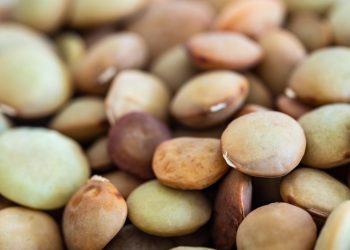
In my experience, I found that including a variety of beans not only boosted my protein intake but also enriched my meals with essential minerals. A simple lentil stew, packed with vegetables, became a staple in my recovery plan.
The Role of Fiber in Recovery
Beans are high in dietary fiber, which plays a key role in digestive health and can aid in nutrient absorption. When recovering from an injury, ensuring that your body can effectively absorb and utilize nutrients is crucial.
Step-by-Step Guide to Incorporating Beans
-
Start Small: If you’re not used to eating beans, begin with small portions to allow your body to adjust. For instance, add a handful of black beans to your salad.
-
Experiment with Varieties: Try different types of beans—kidney, pinto, navy, and lentils. Each has a unique flavor and texture that can enhance your meals.
-
Combine with Whole Grains: Pair beans with whole grains like quinoa or brown rice. This combination provides a complete protein profile, essential for recovery.
-
Flavor with Herbs and Spices: Use herbs like cilantro or spices like cumin to enhance the flavor of your bean dishes, making them more enjoyable.
-
Stay Hydrated: Beans are high in fiber, so it’s essential to drink plenty of water to aid digestion.
Cultural Perspectives on Beans
Beans have been a staple in various cultures for centuries. In Latin America, they are often paired with rice, creating a complete protein. In Mediterranean diets, legumes are celebrated for their health benefits, including heart health and inflammation reduction.
Reflecting on my travels, I recall a meal in a small Mexican town where beans were served in almost every dish. The locals swore by their healing properties, a testament to the cultural wisdom surrounding these legumes.
Counterpoints: Limitations and Considerations
While beans are beneficial, it’s essential to acknowledge that they are not a panacea. Some individuals may experience digestive discomfort when consuming beans, particularly if they have sensitivities or conditions like irritable bowel syndrome (IBS).
Honest Caveat
I’ve noticed that some people struggle with bloating and gas after consuming legumes. This is usually due to the oligosaccharides that beans contain, which can be hard to digest. Soaking beans before cooking can help mitigate these issues. If you’re new to beans, consider starting with canned varieties, which are often easier on the stomach.
The Importance of a Holistic Approach
While beans can significantly aid in ligament recovery, they should be part of a broader, holistic approach to healing. This includes:
- Physical Therapy: Regular sessions can help restore strength and mobility.
- Hydration: Staying hydrated is crucial for optimal healing.
- Rest: Allowing your body time to heal is just as important as nutrition.
Q&A Section
Q: Can beans really help with ligament recovery?
A: Yes, beans provide essential nutrients like protein, iron, and antioxidants that support tissue repair and reduce inflammation.
Q: How much should I eat?
A: Aim for at least one cup of beans a day, but listen to your body and consult with a healthcare provider.
Q: What if I have digestive issues with beans?
A: Start with small portions and consider soaking or cooking them longer to aid digestion.
Q: Are there any other foods that can help with recovery?
A: Yes, foods rich in vitamin C (like citrus fruits) and omega-3 fatty acids (like fish and flaxseeds) also support recovery.
Q: How long should I expect recovery to take?
A: Recovery time can vary based on the severity of the injury and individual health factors. Consulting with a healthcare provider is always best.
Conclusion: A Path Forward
Reflecting on my recovery journey, I can confidently say that beans played a vital role in my healing. They taught me that nutrition is not just about calories but about nurturing our bodies with the right ingredients. While beans alone won’t heal a torn ligament, they can certainly be a crucial part of a comprehensive recovery plan.
As we continue to explore the intersection of nutrition and healing, I encourage you to consider how simple foods like beans can have a profound impact on your health. The journey of recovery is complex, but with the right tools and knowledge, it becomes a path of empowerment.
Medical Disclaimer: This article is for educational purposes only and does not replace professional medical guidance. Always speak with a qualified healthcare provider before making changes to your health routine.
References
- National Institutes of Health. “Dietary Protein and Muscle Health.” NIH
- Journal of Nutritional Biochemistry. “The Role of Antioxidants in Muscle Recovery.” Journal of Nutritional Biochemistry
- U.S. Department of Agriculture. “FoodData Central.” USDA
- Harvard Health Publishing. “The Health Benefits of Beans.” Harvard Health
By embracing the nutritional benefits of beans, you can support your ligament recovery naturally. Let your healing journey be enriched by the simple yet powerful choices you make every day.
Get Your FREE Natural Health Guide!
Subscribe now and receive our exclusive ebook packed with natural health tips, practical wellness advice, and easy lifestyle changes — delivered straight to your inbox.