Healthy gums are essential to overall oral health, and yet many people overlook them in their daily routines. Gums support your teeth and play a crucial role in your body’s immune response. If you’ve ever experienced swollen, bleeding, or receding gums, you might be wondering how to improve your gum health without resorting to harsh treatments or expensive dental procedures. Fortunately, there are gentle, natural remedies you can incorporate into your daily life to promote healthier gums at home.
A Personal Reflection on Gum Health
A few years back, I noticed my gums were becoming increasingly sensitive. After a particularly painful dental cleaning, I decided it was time to take charge of my gum health. I began researching natural remedies and found various gentle solutions that not only eased my discomfort but also improved the overall health of my gums. It was an eye-opening experience that led me to explore a range of gentle, effective techniques.
Contents
Understanding Gum Health: The Basics
What Are Gums, and Why Do They Matter?
Gums, or gingiva, are the soft tissues that surround and support your teeth. They act as a barrier against bacteria and other harmful elements that can lead to gum disease, cavities, and even tooth loss. Healthy gums should be firm, pink, and free of swelling or bleeding.
Common Gum Issues
Before diving into solutions, it’s important to recognize the common issues that can affect gums:
- Gingivitis: Characterized by inflammation, redness, and bleeding of the gums, often caused by plaque buildup.
- Periodontitis: A more severe form of gum disease that can result in tooth loss and bone damage.
- Receding Gums: When gums pull away from teeth, exposing more of the tooth root.
Each of these conditions can be managed or improved with gentle, natural solutions.
Gentle Solutions for Healthier Gums
1. Natural Mouth Rinses
Saltwater Rinse
A simple saltwater rinse can be an effective way to reduce inflammation and kill bacteria.
How to Use:
- Dissolve 1 teaspoon of salt in a glass of warm water.
- Swish it around your mouth for 30 seconds, then spit it out.
- Repeat 2-3 times a week.
Why It Works: Salt has natural antibacterial properties that help reduce the bacteria responsible for gum disease.
Herbal Mouthwash
Herbal mouthwashes made from ingredients like chamomile, sage, and tea tree oil can also promote gum health.
How to Use:
- Brew a strong tea from chamomile or sage.
- Let it cool, then use it as a mouthwash.
Why It Works: These herbs have anti-inflammatory and antimicrobial properties, promoting gum healing and reducing swelling.
2. Dietary Changes
Anti-Inflammatory Foods
Incorporating anti-inflammatory foods into your diet can significantly impact your gum health. Foods rich in omega-3 fatty acids, antioxidants, and vitamins are particularly beneficial.
Examples:
- Fatty fish (salmon, mackerel)
- Leafy greens (spinach, kale)
- Nuts and seeds (walnuts, flaxseeds)
- Berries (blueberries, strawberries)
Why It Works: These foods help reduce inflammation in the body, including the gums.
3. Essential Oils
Essential oils can be a powerful addition to your oral care routine.
Tea Tree Oil
Tea tree oil is renowned for its antibacterial properties.
How to Use:
- Mix a drop of tea tree oil with a carrier oil (like coconut oil) and apply it gently to your gums using a cotton swab.
Caveat: Always dilute essential oils, as they can be potent and cause irritation when used undiluted.
Peppermint Oil
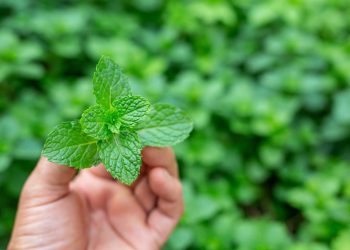
Peppermint oil not only freshens breath but also has antimicrobial properties.
How to Use:
- Add a few drops of peppermint oil to your toothpaste or mouthwash for an extra boost.
4. Gentle Brushing Techniques
Many people brush their teeth too vigorously, which can damage the gums.
Tips for Gentle Brushing:
- Use a soft-bristled toothbrush.
- Brush in circular motions rather than back-and-forth.
- Don’t forget to clean your tongue and the roof of your mouth.
Personal Note: Since adopting a gentler brushing technique, I’ve noticed less sensitivity in my gums.
5. Flossing and Interdental Cleaning
Flossing is essential for gum health, as it removes food particles and plaque that can irritate gums.
How to Floss Properly:
- Use about 18 inches of dental floss.
- Gently slide it between your teeth, curving it around each tooth in a C-shape.
- Be careful not to snap it against your gums.
Alternative Tools: If traditional floss is uncomfortable, consider interdental brushes or water flossers, which can be gentler on the gums.
6. Staying Hydrated
Hydration plays a crucial role in maintaining healthy gums.
Why It Matters: Saliva is essential for washing away food particles and bacteria. Dehydration can lead to dry mouth, increasing the risk of gum disease.
Practical Tip: Aim for at least 8 glasses of water daily, and consider drinking green tea, which has additional antioxidant benefits.
7. Regular Dental Check-ups
While the focus here is on home solutions, regular dental visits are vital for monitoring gum health.
Why It’s Important: A dental professional can provide deep cleanings and catch issues early, preventing more severe problems.
Personal Experience: I learned the hard way that skipping check-ups can lead to bigger issues. Regular visits have become a non-negotiable part of my health routine.
8. Stress Management
Believe it or not, stress can negatively impact your gum health.
How to Manage Stress:
- Practice mindfulness or meditation.
- Engage in physical activities, like yoga or walking.
Why It Matters: Stress can weaken your immune system, making it harder for your body to fight off infections, including those affecting your gums.
9. Quitting Smoking
If you smoke, quitting can dramatically improve your gum health.
Why It Matters: Smoking is a significant risk factor for gum disease, as it reduces blood flow to the gums, impairing healing.
Real-Life Impact: I’ve spoken with several friends who quit smoking and noticed a remarkable improvement in their oral health.
Research Insights
The Science Behind Natural Remedies
- Study on Saltwater Rinses: A study published in the Journal of Clinical Dentistry found that saltwater rinses significantly reduced gum inflammation and bacteria levels.
- Herbal Mouthwashes: Research in the Journal of Periodontal Research indicated that herbal mouthwashes containing tea tree oil and chamomile were effective in reducing gum bleeding and inflammation.
Mixed Evidence on Diet
While many studies support the benefits of dietary changes for gum health, some research presents mixed results. For instance, a study in the American Journal of Clinical Nutrition suggested that while certain vitamins are beneficial, their direct impact on gum health requires more investigation.
FAQs
1. Can I use baking soda for gum health?
Yes, baking soda can help neutralize acids and reduce bacteria. However, use it sparingly, as it can be abrasive.
2. How often should I use natural mouth rinses?
Using natural mouth rinses 2-3 times a week is generally sufficient, but listen to your body and adjust as needed.
3. Are there any foods I should avoid for gum health?
Sugary foods and drinks can contribute to plaque buildup. It’s best to limit these for optimal gum health.
4. How can I tell if my gums are healthy?
Healthy gums should be firm, pink, and not bleed when brushing or flossing.
5. What if my gum issues persist despite home remedies?
If you notice persistent issues, consult a dental professional for further evaluation and treatment.
Conclusion
Improving gum health doesn’t have to involve harsh treatments or expensive procedures. By incorporating gentle, natural solutions into your daily routine, you can nurture your gums and promote overall oral health. As I’ve learned through my own journey, small changes can lead to significant improvements. Whether it’s through dietary adjustments, gentle oral care practices, or regular check-ups, taking a proactive approach can make all the difference. The path to healthier gums is a journey, and every step counts.
Medical Disclaimer: This article is for educational purposes only and does not replace professional medical guidance. Always speak with a qualified healthcare provider before making changes to your health routine.
References
- Journal of Clinical Dentistry. (2017). Saltwater Rinse Effects on Gum Health. Link
- Journal of Periodontal Research. (2018). Efficacy of Herbal Mouthwashes in Reducing Gum Disease. Link
- American Journal of Clinical Nutrition. (2019). The Impact of Diet on Gum Health. Link
Get Your FREE Natural Health Guide!
Subscribe now and receive our exclusive ebook packed with natural health tips, practical wellness advice, and easy lifestyle changes — delivered straight to your inbox.