Supporting Your Body’s Natural Systems for Energy and Digestion
The concept of “detox” often brings to mind restrictive regimens or dramatic cleanses. However, a more accurate understanding focuses on supporting the body’s inherent capacity to maintain balance and optimal function. This isn’t about eliminating mysterious substances; it’s about nourishing the systems responsible for energy creation and digestive efficiency.
When these foundational processes operate smoothly, people often report feeling more vibrant and experiencing better digestive comfort. It involves practical, evidence-informed strategies that integrate seamlessly into everyday life. You don’t need extreme measures to feel a profound difference.

TonicGreens™ Advanced Immune Phytomix
- Concentrated daily formula featuring over 57 botanical extracts, prebiotics, and essential nutrients to support a resilient immune system
- Fortifies the body's natural defenses with a specialized blend of quercetin, resveratrol, and highly bioavailable curcumin
- Manufactured in the USA in a registered GMP facility, delivering pure, certified grade-A ingredients for foundational wellness
The goal is to enhance daily vitality by strengthening the pathways that convert food into energy and process metabolic byproducts. This approach to detox for energy and digestion is less about deprivation and more about intelligent, consistent nourishment.
1. Cultivating a Balanced Gut Microbiome
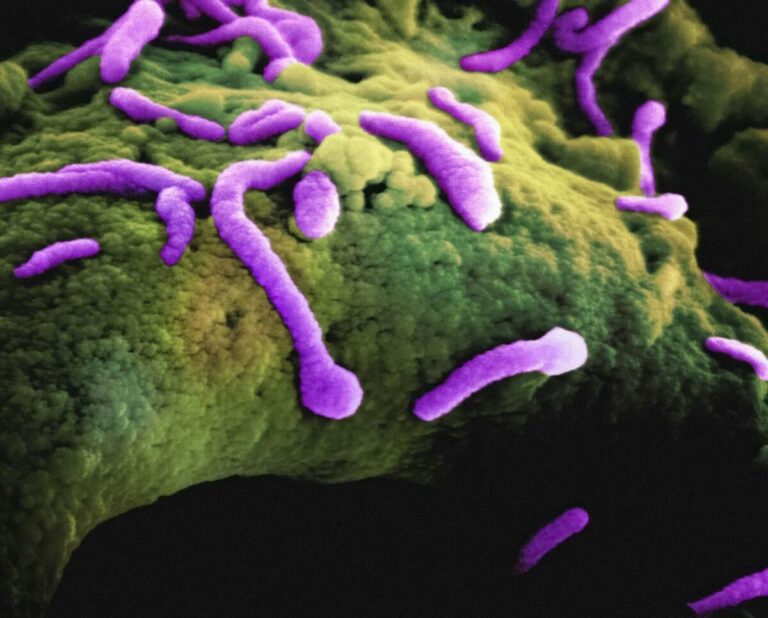
The gut microbiome, a complex community of microorganisms, plays a central role in both digestion and energy levels. These microbes break down food components that human enzymes can’t, producing beneficial compounds in the process. A balanced microbiome supports efficient nutrient extraction from your diet.
Imbalances in the gut flora can influence digestive comfort, impacting how you feel day to day. Specific types of dietary fibers, known as prebiotics, serve as nourishment for beneficial gut bacteria, helping them thrive. When these bacteria are well-fed, they can better support various bodily functions.
The byproducts of a healthy microbiome include short chain fatty acids, which play roles in maintaining intestinal lining integrity. Supporting this internal ecosystem is a fundamental step toward better digestive function and sustained energy. It’s an internal garden that requires consistent, thoughtful care.
- Key Components: Prebiotic fibers, diverse plant foods.
- Associated Role: Supports beneficial bacterial growth, promotes digestive regularity.
- Dietary Focus: Whole grains, legumes, fruits, vegetables like onions and garlic.
Daily Practice Suggestion
Incorporate a variety of fiber rich plant foods into your daily meals to provide diverse nourishment for your gut microbes.
2. Optimizing Cellular Energy Production
Every cell in your body needs energy to function, a process primarily carried out by mitochondria. These cellular powerhouses convert nutrients from food into adenosine triphosphate, or ATP, the body’s main energy currency. Supporting mitochondrial health directly impacts your overall energy levels.
Certain nutrients are essential cofactors in these complex biochemical pathways. Without adequate amounts of these compounds, energy conversion can become less efficient, which may influence how energetic you feel. This cellular foundation is critical for daily vitality.
Protecting mitochondria from oxidative influences is also important. Antioxidants, found abundantly in plant foods, play a role in maintaining cellular integrity. Focusing on nutrients that support these internal power plants can profoundly impact energy.
- Key Nutrients: B vitamins, magnesium, Coenzyme Q10, alpha lipoic acid.
- Associated Role: Essential cofactors for ATP production, supports cellular metabolism.
- Food Sources: Leafy greens, nuts, seeds, whole grains, certain organ meats.
Nutrient Protocol
Prioritize foods rich in B vitamins and magnesium to support the body’s cellular energy generating processes.
3. Enhancing Hydration and Electrolyte Balance
Water is fundamental to virtually every bodily process, including digestion and nutrient transport. Proper hydration ensures that the digestive tract functions smoothly, aiding in the movement of food and absorption of nutrients. It also supports the consistency of waste elimination.
Electrolytes such as sodium, potassium, and magnesium are dissolved minerals that carry electrical charges, essential for nerve and muscle function, and maintaining fluid balance. An imbalance can affect cellular function, potentially impacting energy levels and muscle performance.
Sustained energy often correlates with consistent hydration and a balanced electrolyte profile. Many people underestimate the subtle influence of mild dehydration on their daily comfort and vitality. It’s a simple yet powerful lever for well being.
- Essential Elements: Water, sodium, potassium, magnesium, calcium.
- Associated Role: Facilitates digestion, supports nutrient transport, maintains cellular fluid balance.
- Replenishment: Plain water, coconut water, electrolyte rich fruits and vegetables.
Fluid Intake Strategy
Consume adequate amounts of water throughout the day, ensuring you also replenish electrolytes through food sources or appropriate beverages.
4. Harmonizing Sleep Cycles
Sleep is a critical period for repair, regeneration, and energy replenishment. During deep sleep stages, the body carries out important restorative processes, including consolidating memories and balancing hormone levels. Inadequate sleep often results in fatigue and can affect digestive regularity.
The circadian rhythm, your internal 24 hour clock, governs sleep wake cycles and influences digestive processes. Disruptions to this rhythm can impact gut motility and the secretion of digestive enzymes. Establishing a consistent sleep schedule is a nonnegotiable aspect of supporting both energy and digestion.
Prioritizing quality sleep allows the body to reset and rebuild, which is essential for feeling energized and maintaining a well functioning digestive system. This isn’t just rest; it’s active restoration at a cellular level.
- Key Practice: Consistent sleep schedule, creating a conducive sleep environment.
- Associated Role: Supports cellular repair, hormonal balance, digestive rhythm.
- Supportive Actions: Limiting screen time before bed, managing light exposure, relaxing routines.
Sleep Environment Recommendations
Develop a calming bedtime routine and ensure your sleep space is dark, quiet, and cool to promote restful sleep.
5. Modulating the Stress Response
The body’s stress response, primarily managed by the nervous system and endocrine system, has a direct impact on digestion and energy. Chronic stress can divert resources away from digestive processes, often leading to discomfort or changes in gut motility. The gut brain axis ensures this connection is very real.
Stress hormones, when elevated for prolonged periods, can influence metabolism and energy expenditure. People under persistent stress may find themselves feeling fatigued even after adequate rest. Managing stress is not just about mental well being; it’s a physiological imperative for energy and digestive health.
Techniques that promote relaxation can help rebalance the nervous system, signaling to the body that it’s safe to prioritize “rest and digest” functions. This internal shift conserves energy and supports optimal digestive activity.
- Beneficial Practices: Mindfulness, deep breathing, gentle movement, spending time in nature.
- Associated Role: Rebalances the nervous system, supports digestive enzyme activity, conserves energy.
- Integration: Short meditation breaks, regular walks, engaging in hobbies.
Mind Body Application
Incorporate daily stress reducing practices such as deep breathing or short periods of quiet reflection to support a balanced internal state.
6. Enhancing Nutrient Assimilation
Digestion is not just about breaking down food; it’s about effectively assimilating nutrients into the bloodstream for use by the body’s cells. Efficient nutrient assimilation ensures that your cells receive the building blocks and energy sources they require. Compromised assimilation can leave you feeling less energetic even with a healthy diet.
Factors such as chewing thoroughly, adequate stomach acid, and balanced digestive enzymes all contribute to this process. When food isn’t properly broken down, your body can’t extract all the goodness it offers, impacting both energy production and overall vitality.
Consideration of digestive support, such as digestive enzymes or prebiotics, may be discussed with a clinician for personalized guidance. Supporting the body’s ability to take what it needs from food is a cornerstone of robust energy and digestive function.
- Key Factors: Digestive enzymes, stomach acid, gut lining integrity.
- Associated Role: Maximizes nutrient uptake, supports overall metabolic processes.
- Lifestyle Aspects: Mindful eating, chewing food thoroughly, avoiding eating when stressed.
Lifestyle Integration
Practice mindful eating by chewing food slowly and thoroughly, which can support the initial stages of digestion.
7. Supporting Elimination Pathways
The body possesses sophisticated systems for processing and eliminating metabolic byproducts, primarily through the liver, kidneys, and digestive tract. Supporting these organs helps them function effectively, which is essential for maintaining internal balance and energy. This is not about “flushing” but about gentle, consistent support.
The liver, for example, processes nutrients and helps transform various compounds for elimination. The kidneys filter blood and excrete waste via urine. A well functioning bowel ensures regular removal of undigested food and other byproducts. All these systems work in concert.
Dietary fiber, adequate hydration, and specific phytonutrients from plants can support these elimination pathways. When these systems are working efficiently, people often experience better digestive comfort and a clearer sense of well being. Research from the National Institutes of Health highlights the role of fiber in digestive health.
Here’s a comparison of key components that support different aspects of elimination pathways:
| Component Type | Primary Function | Examples |
|---|---|---|
| Soluble Fiber | Forms a gel like substance, supports bowel regularity | Oats, apples, beans, psyllium |
| Insoluble Fiber | Adds bulk to stool, promotes transit through digestive tract | Wheat bran, whole grains, nuts, seeds, skin of fruits/vegetables |
| Cruciferous Vegetables | Contains specific phytonutrients that support liver processes | Broccoli, cauliflower, kale, Brussels sprouts |
| Hydration | Essential for kidney function and stool consistency | Water, herbal teas, broths |
- Key Organs: Liver, kidneys, large intestine.
- Associated Role: Processes metabolic byproducts, removes waste, supports internal equilibrium.
- Dietary Support: Fiber rich foods, adequate water, phytonutrient dense vegetables.
Elimination Pathway Enhancement
Increase your intake of both soluble and insoluble fibers through fruits, vegetables, and whole grains to support regular bowel movements.
Frequently Asked Questions
What does “detox for energy and digestion” truly mean?
This approach focuses on supporting the body’s natural processes of metabolism, elimination, and nutrient absorption. It’s about enhancing the body’s inherent ability to function optimally, rather than using harsh cleanses. The aim is to improve how your body converts food into energy and processes digestive byproducts.
Can improving digestion really impact my energy levels?
Absolutely. Efficient digestion ensures your body can properly extract and utilize nutrients from food, which are the fundamental building blocks for energy production at a cellular level. When digestion is suboptimal, nutrient assimilation can be affected, which may influence your overall energy.
Are there specific foods that help support these bodily systems?
Yes, a varied diet rich in whole, unprocessed foods is highly beneficial. Examples include fiber rich fruits and vegetables, whole grains, lean proteins, and healthy fats. Specific foods like cruciferous vegetables, berries, and fermented foods are often discussed for their supportive properties.
How long does it take to notice a difference?
Individual experiences vary, but many people report feeling improvements in digestive comfort and energy levels within a few weeks of consistently adopting these supportive dietary and lifestyle practices. Sustained benefits come from ongoing commitment to these principles. People with underlying conditions often work with a qualified healthcare professional for personalized guidance.
The Bottom Line
Supporting your body’s natural “detox” capabilities for energy and digestion is a continuous process of mindful nourishment and smart lifestyle choices. It isn’t about fleeting trends or restrictive diets; it’s about establishing consistent habits that bolster your internal systems. By focusing on gut health, cellular energy, hydration, sleep, stress management, nutrient assimilation, and efficient elimination, you can foster a profound sense of well being. This information is educational and not a substitute for medical advice.
Actionable Path Forward
Begin by slowly integrating one or two of these practices into your daily routine, such as prioritizing diverse plant foods or establishing a consistent sleep schedule, and observe how your body responds.
Get Your FREE Natural Health Guide!
Subscribe now and receive our exclusive ebook packed with natural health tips, practical wellness advice, and easy lifestyle changes, delivered straight to your inbox.