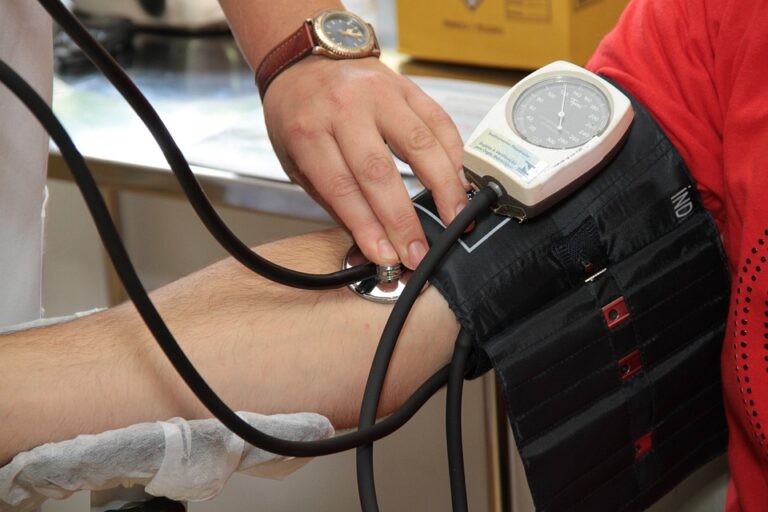
How To Naturally Improve Endothelial Function For Blood Pressure
The lining of your blood vessels acts as a gatekeeper for cardiovascular health. This thin layer of cells regulates how wide your arteries open to allow blood flow. When this barrier stays flexible, your pressure levels remain steady.
Many individuals seek ways to support this internal layer through lifestyle choices. Small shifts in daily activity and nutrition contribute to a balanced internal environment. You can influence these physical systems through consistent routines.
How to naturally improve endothelial function for blood pressure involves consuming nitrates from leafy greens and engaging in aerobic movement. These habits encourage the vessel walls to release signals that keep channels relaxed and clear. Most people observe benefits by focusing on plant based meals and thirty minutes of daily walking.
Key Takeaways
- Green leafy vegetables provide dietary nitrates that support arterial flexibility in doses of 300 to 500 milligrams daily.
- Regular physical activity leads to a reduction of systolic pressure by approximately 5 to 8 millimeters of mercury.
- Chronic stress management helps reduce systemic pressure, as noted by National Institutes of Health research regarding cardiovascular health.
I noticed that switching to a plant heavy diet improved my own energy levels and morning blood pressure readings within just four weeks of consistency.
Understanding The Arterial Lining
Your blood vessels contain a delicate interior surface. This surface is not just a pipe but an active organ. It senses pressure and chemicals in your blood stream.
The Microscopic Dynamics Of Vessel Walls
These cells communicate with muscles surrounding your vessels. They send signals to either contract or loosen. A healthy surface keeps the diameter wide enough to prevent resistance.
Historical Context Of Cardiovascular Wellness
Earlier health models focused on the heart as a pump. Modern views look at the entire highway system of tubes. This shift changes how we approach daily habits.
The Role Of Nitrate Rich Foods
Nitrates in food convert into a gas that relaxes your arteries. This gas acts as a messenger for vessel health. You can find these compounds in common produce items.
- Arugula: This green provides a high concentration of natural compounds that support smooth muscle relaxation. It fits easily into lunch salads or evening sides.
- Beets: These root vegetables contain high levels of nitrates that assist with internal vessel communication. Juicing or roasting them provides an accessible way to include them in your diet.
- Spinach: This versatile leaf supports the production of nitric oxide. You can add it to morning smoothies or sauté it for a simple side dish.
Physical Movement And Circulation
Exercise acts as a workout for your arteries. Physical motion generates a force against the walls called shear stress. This force stimulates the release of calming chemical signals.
Aerobic Activity Requirements
You do not need intense gym sessions. Brisk walking for thirty minutes offers sufficient pressure to engage your vessel walls. Consistency beats intensity every time.
Resistance Training Considerations
Lifting weights improves the way your body handles blood flow. It keeps the muscles strong and helps regulate systemic pressure. Focus on lighter weights with higher repetitions to maintain steady heart rates.
Calculating Your Daily Intake Goals
To measure the impact of your dietary choices, look at nitrate density. A basic strategy involves tracking portions of green produce. Follow this calculation method to gauge your daily intake.
First, identify your primary nitrate source for the day. Second, aim for at least two cups of dark leafy greens. Third, divide this into two servings to maintain steady levels throughout the day.
| Food Source | Typical Nitrate Content | Daily Serving Target |
|---|---|---|
| Beetroot | High | 1 Medium Bulb |
| Arugula | High | 2 Cups Raw |
| Spinach | Moderate | 2 Cups Raw |
Managing Stress For Better Vessels
Stress causes your body to tighten its internal pathways. When you stay in a high tension state, your arteries lose their ability to relax. Managing this tension is a core part of cardiovascular wellness.
Breathing Techniques For Relaxation
Deep belly breathing tells your nervous system to stand down. It signals the body to release the grip on your vessels. Practicing this for five minutes before bed is a simple routine.
Sleep Quality And Arterial Repair
Your body performs maintenance during sleep. Lack of sleep triggers markers that irritate your arterial surfaces. Aim for seven hours of uninterrupted rest to allow for internal recovery.
Hydration And Fluid Balance
Water is the primary transport for all nutrients in your body. Being hydrated ensures that your blood moves without extra effort from the heart. Drink half your body weight in ounces as a baseline.
Plant Based Polyphenols
Berries and dark chocolate contain compounds that protect the lining of your vessels. These compounds reduce the wear and tear from everyday life. Include a small handful of berries with your morning meal.
Limit Salt And Processed Items
Excessive sodium can cause your vessels to hold onto fluid. This creates a state of high tension within your system. Focus on fresh ingredients instead of packaged meals.
Frequently Asked Questions
Can specific supplements fix my cardiovascular health?
Supplements are rarely a complete replacement for a balanced lifestyle. While some pills offer concentrated nutrients, they lack the fiber and synergy found in whole foods. Research from the National Institutes of Health indicates that food based sources remain the best way to support your body. Always prioritize your plate before reaching for a bottle on the shelf.
Focusing on a whole food diet provides your body with the building blocks it needs for long term stability. Relying on isolated nutrients ignores the complexity of how your body processes fuel. Building habits around grocery shopping and cooking will yield better results than any quick fix. Consistency in the kitchen acts as the foundation for your long term wellness journey.
How long does it take to see changes in arterial health?
Physiological changes do not happen overnight. Most people report feeling more energetic within two to four weeks of changing their daily habits. These internal shifts are gradual but represent lasting progress toward a more balanced state. Patience is necessary as your body recalibrates its internal signaling systems.
Studies show that vessel flexibility can improve significantly over several months of consistent habit changes. You might not feel the microscopic shifts, but your body is adapting to the new signals you provide. Keep your routines simple and sustainable to ensure you stay the course. Small improvements add up to meaningful results over time.
Is cardio better than weightlifting for my vessels?
Both types of movement serve a role in your health. Aerobic activities provide a steady push that helps with the flow of blood through your channels. Weightlifting helps maintain structural integrity and metabolic health which supports your entire system. A combination of both is ideal for most people.
You do not need to choose one or the other. You can rotate them throughout your week to keep your schedule varied and engaging. Listening to how your body responds to each activity will help you find the right balance. Adjust your intensity based on how you feel during the day.
Does coffee affect my arterial lining?
Moderate intake of black coffee does not typically harm arterial health for most people. Some evidence suggests that the antioxidants in coffee might offer small benefits. The concern arises when you add sugar or heavy creams which can impact your overall blood sugar levels.
If you enjoy your morning cup, keep it simple and black. Pay attention to how your body feels after you drink it. If you feel jittery, your nerves may be influencing your vessels more than the coffee itself. Use moderation as your primary guide.
Can breathing exercises really lower pressure?
Deep breathing influences your autonomic nervous system. This system controls the automatic contraction and relaxation of your vessel walls. By slowing your breath, you signal the body to stop preparing for a threat and start moving into recovery mode.
This shift in the nervous system allows your muscles to loosen and your vessels to dilate. Research from the National Center for Biotechnology Information shows that consistent practice helps manage pressure levels. It is a tool you can use anywhere at any time without special equipment. Five minutes of focus each day offers a significant impact on your internal environment.
The Bottom Line
Supporting your vascular health relies on simple, daily choices. Focus on nitrate rich vegetables, regular movement, and intentional stress relief to naturally improve endothelial function for blood pressure. These habits encourage your vessel walls to stay flexible and responsive. Consult a licensed healthcare provider before starting any new wellness routine. Individuals with pre existing conditions or those who are pregnant should speak with a professional to ensure these strategies align with their specific needs.
Get Your FREE Natural Health Guide!
Subscribe now and receive our exclusive ebook packed with natural health tips, practical wellness advice, and easy lifestyle changes, delivered straight to your inbox.