
Cruciferous vegetables, often celebrated for their health benefits, are ideal additions to a ketogenic meal plan. They are low in carbohydrates and high in fiber, making them suitable for those looking to maintain ketosis. Despite their many advantages, many individuals struggle to incorporate these nutrient-dense foods into their daily diets. This guide addresses those challenges, providing practical solutions that will not only enhance your keto meals but also contribute to overall wellness.
The unique composition of cruciferous vegetables makes them particularly beneficial for individuals following a keto diet. High in vitamins, minerals, and antioxidants, these vegetables help combat inflammation and support metabolic health. They also provide essential nutrients while keeping carbohydrate intake low, which is critical for those on a ketogenic regimen. Understanding how to effectively use these vegetables can transform your meal planning and elevate your health journey.
This guide will delve into various cruciferous vegetables, exploring their benefits and practical applications in a keto meal plan. It will also address common mistakes people make when incorporating these foods into their diet. By understanding the science behind their health benefits and how to choose the right products, you can enhance your ketogenic experience.
In the following sections, you will find comprehensive information on how to incorporate these vegetables into your meals, the science supporting their benefits, and practical tips for maximizing their effectiveness. Whether you are new to the keto diet or looking to refine your approach, this guide aims to provide the tools and knowledge you need to succeed.
Contents
How to Use Cruciferous Vegetables for Real Results
- Best Form: Fresh or lightly steamed.
- Best Time: During lunch or dinner.
- Expected Result: Enhanced nutrient absorption and improved digestion.
For Daily Protection
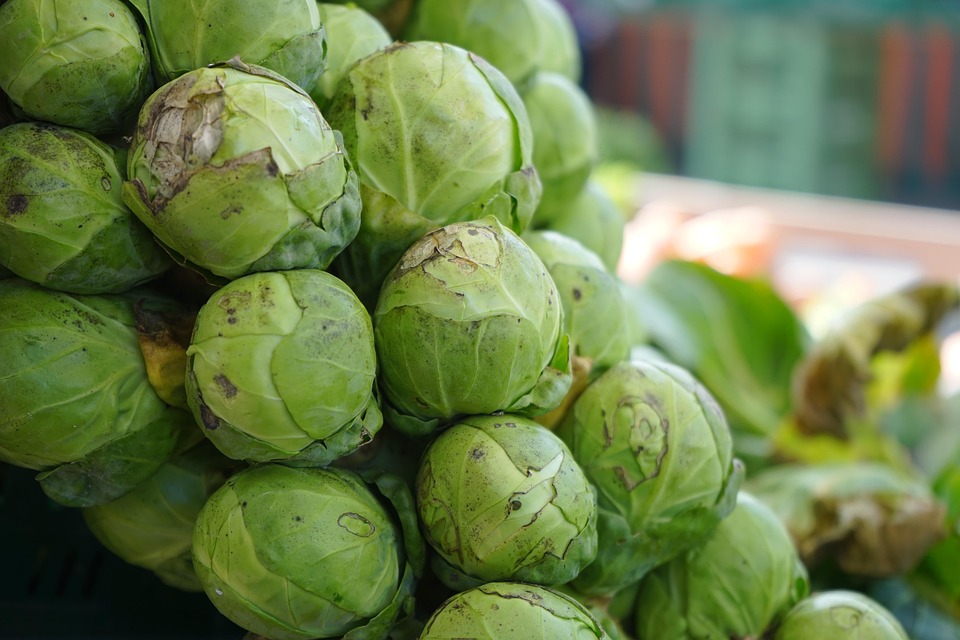
The Prep: Start with fresh broccoli, cauliflower, and Brussels sprouts. Gather olive oil, garlic, and your choice of spices like salt and pepper. Prepare a baking sheet lined with parchment paper.
The Action: Preheat your oven to 400°F. Chop the cruciferous vegetables into bite-sized pieces. Toss them in olive oil, minced garlic, and seasoning. Spread them evenly on the baking sheet and roast for about 20-25 minutes until tender and slightly crispy.
The Feeling: Expect a warm, savory aroma as they roast. The textures will be a delightful mix of tender and crunchy, offering a satisfying bite. This dish can enhance your meal while providing essential nutrients.
Pro Tip: Drizzle some lemon juice over the vegetables after cooking for an added flavor boost.
Boosting Your Meal Prep
The Prep: Gather kale, cabbage, and radishes. You will also need sesame oil, soy sauce, and a sprinkle of sesame seeds. Prepare a large bowl for mixing.
The Action: Chop the kale and cabbage finely. Grate the radishes. In a separate bowl, mix sesame oil and soy sauce. Combine the vegetables in the large bowl, pour the dressing over them, and toss until evenly coated. Let it sit for a few minutes to enhance the flavors.
The Feeling: The crunchiness of the radishes combined with the tender kale and cabbage will provide a refreshing texture. The sesame oil adds a nutty flavor that complements the vegetables beautifully.
Pro Tip: This salad can be made ahead of time and stored in the refrigerator for up to three days.
The Perfect Side Dish
The Prep: Use fresh collard greens, mustard greens, and turnip greens. You will also need chicken or vegetable broth and a splash of vinegar. Set up a large pot for cooking.
The Action: Rinse the greens thoroughly and chop them into manageable pieces. In the pot, heat the broth over medium heat. Add the chopped greens and a splash of vinegar. Simmer for about 10-15 minutes until the greens are tender and flavorful.
The Feeling: The warmth of the broth will envelop the greens, providing a comforting experience. The vinegar adds a tangy kick that elevates the dish, making it a perfect accompaniment to your main course.
Pro Tip: Add a protein source like grilled chicken or tofu to turn this side into a complete meal.
Common Mistakes to Avoid with Cruciferous Vegetables
Overcooking the Vegetables
Many people mistakenly overcook cruciferous vegetables, leading to nutrient loss and an unappealing texture. Overcooking can diminish their vibrant colors and make them mushy. To preserve their nutrients and crispness, aim for light steaming or roasting at moderate temperatures.
Pay attention to cooking times. Broccoli and cauliflower typically require only 5 to 7 minutes of steaming. Roasting should be done at a temperature that allows for browning without burning. This will maintain their health benefits and enhance flavor.
Ignoring Seasoning
Another common error is neglecting to season cruciferous vegetables adequately. These vegetables can have a somewhat bitter taste when unseasoned. Elevate their flavor by using a variety of herbs, spices, and healthy fats.
Experiment with different seasonings like garlic, lemon juice, or balsamic vinegar. Using healthy fats such as olive oil or avocado oil can also enhance flavor while providing additional health benefits. A well-seasoned dish encourages you to eat more vegetables.
Not Washing Thoroughly
Failing to wash cruciferous vegetables properly can lead to consuming pesticides and dirt. Always rinse them under cold water before cooking or eating raw. This step is crucial for maintaining health and safety.
Take the time to scrub the surfaces of vegetables like kale and broccoli. This can help remove any residual pesticides. A clean vegetable not only tastes better but is also safer for consumption.
The Science Behind Cruciferous Vegetables
Cruciferous vegetables contain a variety of bioactive compounds that contribute to their health-promoting properties. These compounds include glucosinolates, which break down into beneficial metabolites. The biological mechanisms behind these compounds help reduce inflammation and support detoxification processes in the body.
One key compound of interest is sulforaphane, a potent antioxidant found in cruciferous vegetables. Sulforaphane has been shown to activate various protective enzymes in the body, enhancing the body’s ability to detoxify and combat oxidative stress. This compound also plays a role in supporting cardiovascular health and may even reduce the risk of certain cancers.
Clinical studies have supported the health benefits of cruciferous vegetables. Research indicates that regular consumption can lead to a lower risk of chronic diseases. For more detailed information, you can explore the findings at PubMed.
Choosing the Right Products
- Potency: Ensure that the vegetables are fresh and vibrant. Freshness indicates higher nutrient levels and better flavor.
- Purity: Look for organic options to reduce exposure to pesticides. This choice supports better health outcomes and sustainability.
- Form: Choose whole vegetables over processed forms. Whole foods provide more nutrients and fewer additives.
Benefits vs Risks
| The Benefits | Potential Downsides |
|---|---|
| Rich in vitamins and minerals | May cause digestive discomfort in some individuals |
| Supports detoxification | Can interact with certain medications |
| Low in calories and carbs | Potential for bitterness if not cooked properly |
Habits to Enhance Your Diet
Incorporating regular physical activity can amplify the benefits of cruciferous vegetables. Exercise enhances circulation and improves digestion, enabling better nutrient absorption. Aim for a balanced routine that includes both cardio and strength training.
Practicing mindful eating can also enhance your experience. Take the time to savor your meals, focusing on flavors and textures. This approach can lead to a greater appreciation for the nutrients you consume and help in maintaining a healthy weight.
Who Should Avoid This?
– Individuals with thyroid issues should consult a healthcare provider before significantly increasing cruciferous vegetable intake.
– Those on blood-thinning medications may need to limit their consumption due to potential interactions.
– Individuals with specific food sensitivities or allergies should avoid these vegetables as they may provoke reactions.
Common Questions
Are cruciferous vegetables keto-friendly?
Yes, they are low in carbohydrates and high in fiber, making them ideal for a keto diet.
Can I eat cruciferous vegetables raw?
Yes, many can be enjoyed raw, though cooking can enhance their flavor and digestibility.
How do I store cruciferous vegetables?
Keep them in the refrigerator in a breathable bag to maintain freshness for several days.
What are the best cooking methods for these vegetables?
Steaming, roasting, or sautéing are great methods to retain their nutrient content.
The Bottom Line
Incorporating cruciferous vegetables into your keto meal plan can significantly enhance your nutritional intake.
- The Truth: Some individuals may experience digestive issues if consumed in large quantities.
- The Strategy: Aim to enjoy them with healthy fats to maximize nutrient absorption.
- The Next Step: Consider introducing one new cruciferous vegetable into your meals each week.
Get Your FREE Natural Health Guide!
Subscribe now and receive our exclusive ebook packed with natural health tips, practical wellness advice, and easy lifestyle changes, delivered straight to your inbox.