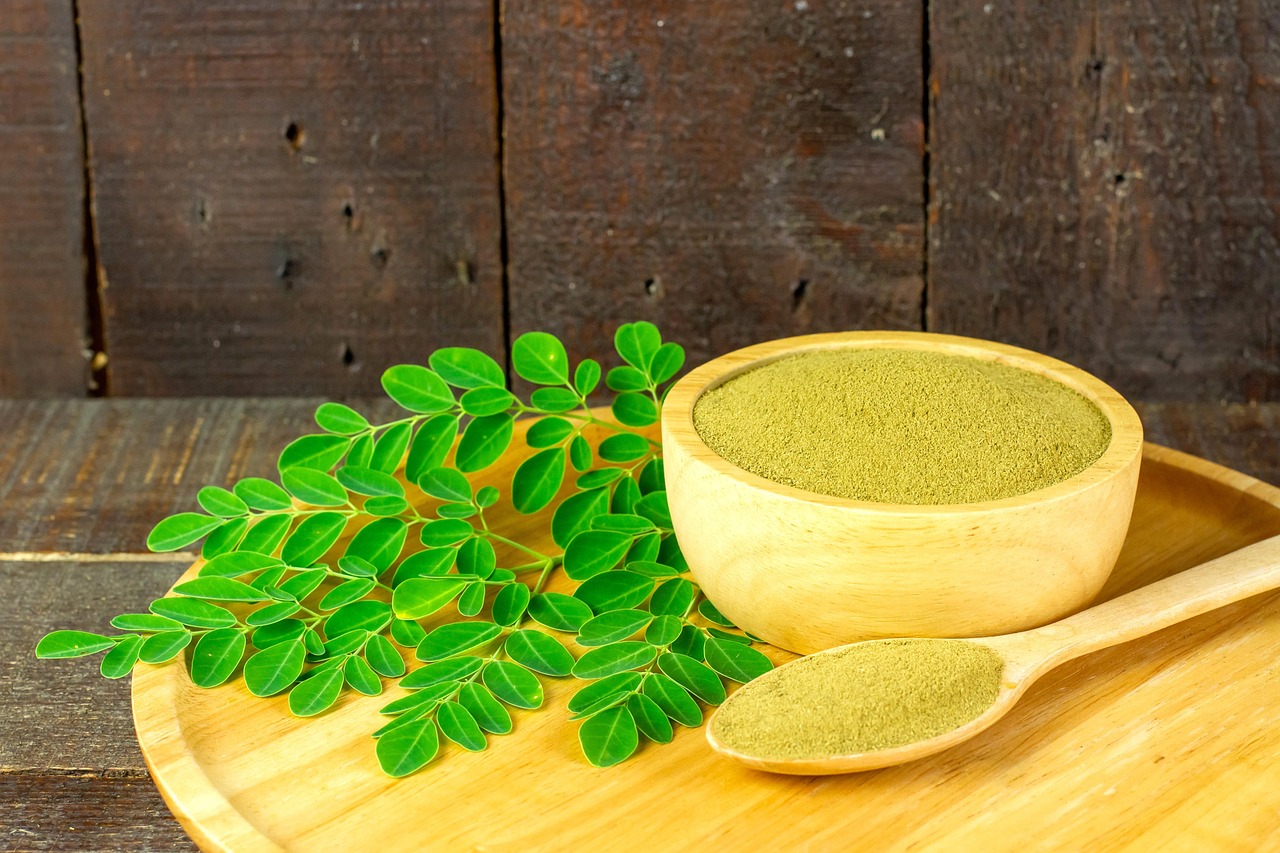

Fresh moringa leaves have gained popularity due to their impressive nutritional profile and health benefits. However, many people struggle to incorporate these leaves into their daily meals. This often results in underutilization of a powerful superfood. The challenge lies in finding creative and enjoyable ways to incorporate moringa into everyday dishes, making it not only a source of nutrients but also a delightful culinary experience.

One of the key advantages of using dried moringa leaves is their versatility. They can be added to various dishes, from smoothies to soups, allowing for easy integration into different cuisines. This adaptability can help individuals who may be facing issues such as fatigue or low energy levels. By incorporating moringa into meals, you can enhance your nutrient intake while enjoying flavorful dishes that cater to your taste preferences.
Moreover, understanding the health benefits of moringa can motivate individuals to experiment with this ingredient. Rich in vitamins, minerals, and antioxidants, moringa can provide support for immune function, energy levels, and overall well-being. The potential for improved health outcomes makes the effort to use moringa leaves worthwhile.
Finding innovative ways to enjoy moringa can transform your meals and elevate your culinary skills. This guide will explore various methods to incorporate dried moringa leaves into dishes, ensuring that you reap their health benefits while enjoying delicious food.
Contents
How to Use Dried Moringa Leaves for Real Results
- Best Form: Powdered or finely crushed
- Best Time: During meal preparation
- Expected Result: Enhanced nutrient absorption and flavor
For Daily Protection
The Prep: Gather fresh vegetables, grains, and your choice of protein. Consider using quinoa, spinach, and chickpeas, which complement the earthy flavor of moringa. Measure out about one tablespoon of dried moringa leaves to incorporate into the dish. Ensure you have a blender or food processor ready for mixing.
The Action: Begin by cooking your grains according to package instructions. While they are cooking, blend the vegetables and protein with the dried moringa leaves until smooth. This mixture can serve as a vibrant sauce or dressing. Once the grains are ready, combine everything in a bowl, tossing to ensure even distribution.
The Feeling: Expect a nourishing sensation as you consume this dish. The combination of flavors will be earthy and slightly nutty, with a satisfying texture from the grains and vegetables. This meal will leave you feeling energized and refreshed for hours.
Pro Tip: Experiment with different vegetables to find your preferred flavor combination.
Enhancing Smoothies
The Prep: Gather your favorite fruits such as bananas, berries, or mangoes, along with a liquid base like almond milk or yogurt. Add one tablespoon of dried moringa leaves to your ingredients.
The Action: Place all the ingredients into a blender. Blend until smooth, ensuring that the moringa is evenly distributed throughout the mixture. Adjust the consistency by adding more liquid if necessary.
The Feeling: The smoothie will have a vibrant green color, with a rich and creamy texture. The taste will be pleasantly sweet with a hint of earthiness from the moringa. This drink will provide a refreshing boost to your morning routine.
Pro Tip: For added creaminess, consider including avocado in your smoothie.
Flavorful Soups and Stews
The Prep: Choose a base for your soup or stew, such as vegetable broth or coconut milk. Gather vegetables like carrots, potatoes, and bell peppers. Measure out one tablespoon of dried moringa leaves to enhance the dish.
The Action: Start by sautéing your vegetables in a pot. Once they begin to soften, add the broth or coconut milk. Allow the mixture to simmer for about 15 minutes. Stir in the dried moringa leaves during the last few minutes of cooking to preserve their nutrients.
The Feeling: Your soup will be aromatic and comforting, with a rich, creamy consistency. The moringa will add a subtle depth of flavor, enhancing the overall taste. This dish will keep you warm and satisfied, providing comfort on chilly days.
Pro Tip: Garnish with fresh herbs for an added flavor boost.
Common Pitfalls to Avoid
Using Low Quality Herbs
Many individuals overlook the importance of sourcing high-quality moringa leaves. Low-quality herbs may lack the nutritional potency and flavor that fresh or properly dried leaves possess. This can lead to disappointing results in terms of both health benefits and culinary experience.
To avoid this mistake, seek out reputable suppliers who provide organic moringa leaves. Look for certifications that guarantee quality and purity. Investing in high-quality moringa ensures that you reap the full benefits of this superfood while enjoying its unique flavor in your dishes.
Overcooking the Moringa
Another common error is adding moringa leaves too early in the cooking process. When exposed to high heat for extended periods, the nutrients in moringa can degrade. This reduces its health benefits and alters the flavor profile.
To maximize the benefits, add dried moringa leaves toward the end of cooking. This allows the leaves to retain their nutritional value while still imparting their distinct flavor. By doing so, you enhance both the health aspects and the taste of your dish.
Neglecting Flavor Pairings
Failing to consider flavor pairings can lead to dishes that do not complement the earthy taste of moringa. This can result in a less enjoyable eating experience.
To avoid this pitfall, experiment with spices and ingredients that enhance moringa’s flavor. Ingredients like garlic, onion, and citrus can elevate the overall dish. By thoughtfully combining flavors, you create meals that are not only nutritious but also delicious.
The Mechanism Behind Moringa’s Benefits
Moringa leaves are rich in phytonutrients, which contribute to their numerous health benefits. The biological mechanisms at play include antioxidant activity, which helps combat oxidative stress in the body. This stress is linked to various chronic diseases, making the antioxidant properties of moringa particularly valuable for overall health.
Key compounds in moringa include quercetin and chlorogenic acid. Quercetin is known for its anti-inflammatory properties, while chlorogenic acid aids in regulating blood sugar levels. Together, these compounds create a synergistic effect that supports metabolic health and overall well-being.
For clinical evidence regarding the health benefits of moringa, refer to PubMed, which provides a comprehensive overview of research studies on this remarkable plant.
Choosing the Right Product
– **Potency:** Look for products that specify the amount of active ingredients. Higher potency often correlates with better health benefits.
-
Purity: Ensure the product is free from additives and contaminants. Pure moringa leaves offer the best nutrient profile and flavor.
-
Form: Choose between powder, capsules, or whole leaves based on your preference for use. Powders are versatile for cooking, while capsules may be convenient for supplementation.
Benefits vs Risks
| The Benefits | Potential Downsides |
|---|---|
| Rich in vitamins and minerals | Possible digestive upset in some individuals |
| Supports immune function | Interactions with certain medications |
| Enhances energy levels | May cause allergic reactions in sensitive individuals |
Habits for Enhanced Well-Being
Integrating regular physical activity into your routine can amplify the benefits of moringa. Exercise enhances blood circulation, which aids in nutrient absorption.
Mindfulness practices, such as meditation or yoga, can also complement the use of moringa. These practices reduce stress, promoting overall well-being and allowing the nutrients to work more effectively in your body.
Who Should Avoid This?
– Pregnant or breastfeeding women
– Individuals with thyroid conditions
– Those taking anticoagulant medications
– People with known allergies to moringa
– Individuals undergoing surgery within two weeks
Common Questions
Can moringa help with weight loss?
Moringa may support weight management due to its nutrient density and ability to regulate blood sugar levels.
Is moringa safe for children?
Moringa can be safe for children in moderate amounts. Always consult a pediatrician before introducing new supplements.
How should I store dried moringa leaves?
Store dried moringa leaves in a cool, dark place in an airtight container to maintain freshness.
Can I use moringa in baking?
Yes, moringa can be added to baked goods like muffins or bread for added nutrition and flavor.
The Bottom Line
Incorporating dried moringa leaves into your meals can be a delightful experience.
- The Truth: Moringa may not be a cure-all but offers significant health benefits.
- The Strategy: Use moringa in meals where its flavor can shine.
- The Next Step: Make a habit of experimenting with moringa in your cooking.
Get Your FREE Natural Health Guide!
Subscribe now and receive our exclusive ebook packed with natural health tips, practical wellness advice, and easy lifestyle changes, delivered straight to your inbox.