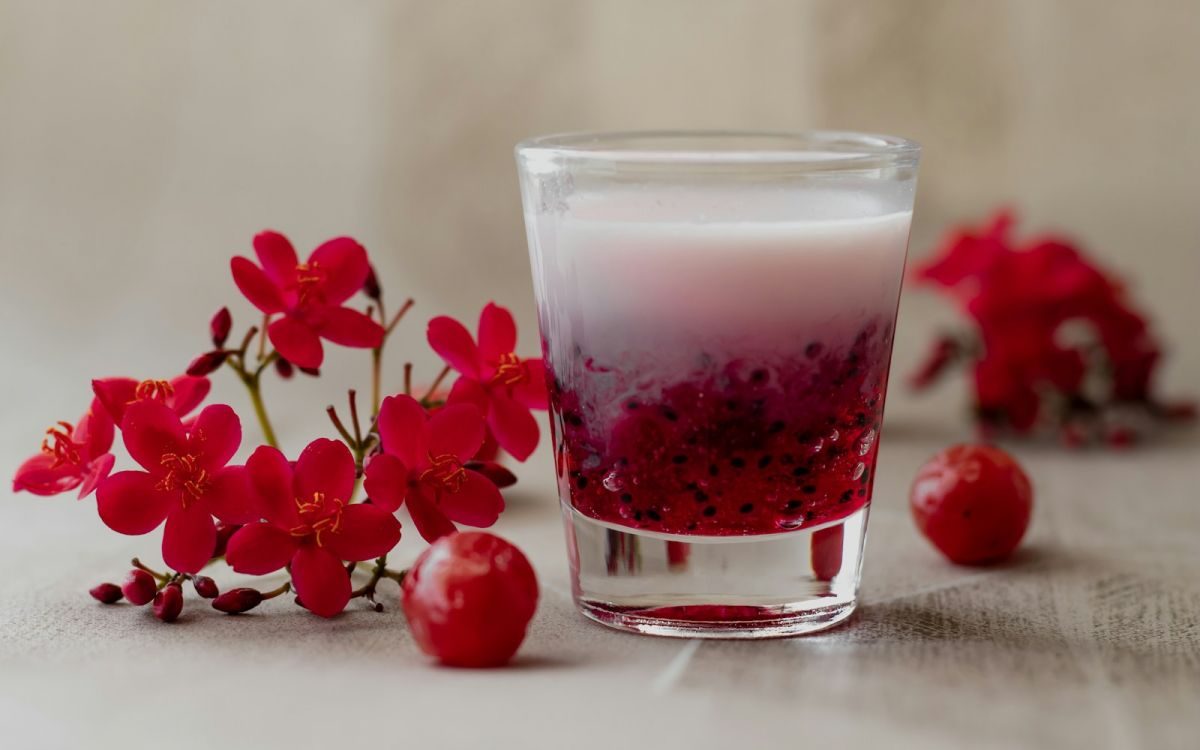

Exploring Cranberry Juice for Kidney Flush Support
Choosing the right beverages to support your body’s natural processes can feel overwhelming. Many people look for simple, accessible options. Cranberry juice often comes up in discussions about wellness routines.
It holds a long history of traditional use and is widely recognized. Understanding its specific compounds and how they interact with the body is key. This guide helps clarify the role of cranberry juice for kidney flush intentions.
People interested in general wellness and fluid balance often consider its place. It’s about making informed choices for your daily regimen.
The Historical Perspective of Cranberry Utilization
Cranberries boast a rich history across various cultures. Indigenous peoples of North America valued them for their tart taste and versatile applications. They were not merely a food source but held a place in traditional practices.
These berries were often incorporated into pemmican, a survival food. Their natural acidity also made them useful for preserving other foods. This early recognition of their unique properties laid a foundation for their enduring appeal.
European settlers quickly adopted cranberries into their own customs. They observed the native uses and began integrating the fruit into their diets and home remedies. This exchange of knowledge further cemented cranberry’s status as a beneficial fruit.
Across generations, the fruit became synonymous with specific times of the year and particular wellness discussions. Its distinctive flavor profile ensures it remains a staple in many households. The tradition continues to evolve today.
- Traditional Uses: Food preservation, culinary ingredient, general wellness support.
- Key Components: Organic acids, plant pigments, unique phenolic compounds.
- Historical Application: Integrated into diet, explored for various home-based practices.
Traditional Preparations
Historically, cranberries were consumed fresh, dried, or mashed into sauces. Crafting simple beverages was also a common practice. These methods allowed communities to harness the fruit’s characteristics.
When exploring traditional approaches, people often consider how these natural ingredients fit into a balanced lifestyle.
Unpacking Cranberry’s Unique Phytochemistry
Cranberries are a concentrated source of various plant compounds. These natural substances contribute to the fruit’s vibrant color and tart flavor. Scientists continue to analyze the full spectrum of these phytochemicals.
Among these compounds are a range of flavonoids and phenolic acids. Each plays a part in the overall profile of the berry. It’s this complex interplay that gives cranberries their distinct character.
The unique composition sets cranberries apart from many other fruits. This complexity is what makes them a subject of continuous interest for those studying natural health. Understanding these constituents is fundamental.
They represent a significant area of research. These tiny berries pack a considerable biochemical punch. Their full potential is still being explored.
- Primary Bioactives: Flavonoids, phenolic acids, specific proanthocyanidins.
- Unique Structural Features: A-type proanthocyanidins.
- Potential Impact: Contributes to the berry’s characteristic properties.
Bioavailability Considerations
The way these compounds are absorbed and utilized by the body is a topic of ongoing discussion. Factors like digestion and individual metabolism play a role. People often consider different forms of cranberry consumption for this reason.
When integrating cranberry into your routine, considering how these compounds might be assimilated is part of a thoughtful approach.
Proanthocyanidins (PACs): The Star Compounds
Among cranberry’s phytochemicals, proanthocyanidins (PACs) receive significant attention. These are a type of flavonoid, but cranberries contain a unique A-type PAC. This structural difference sets them apart from the B-type PACs found in many other plants.
This specific A-type linkage is believed to be responsible for certain properties. It is a key area of focus for researchers. The presence of these unique PACs is what often drives interest in cranberries.
The concentration of PACs can vary between cranberry products. Factors like harvest time and processing methods influence their levels. Standardized extracts are sometimes used to ensure a consistent amount.
Understanding these specific compounds helps in appreciating the berry’s distinct profile. They are considered central to the cranberry story. Their role continues to be a focal point of scientific inquiry.
- PAC Type: A-type proanthocyanidins.
- Primary Location: Cranberry fruit, skin, and seeds.
- Mechanism Focus: Historically explored for certain adhesion properties in the urinary tract.
PAC Concentration Measurement
Measuring PAC levels accurately is important for consistent product evaluation. Specialized analytical methods are employed to quantify these compounds. This allows for a better understanding of product potency.
People often look for products that specify their PAC content. This can help guide choices within the vast array of available options.
Cranberry Juice and Supporting Kidney Wellness
Many people associate cranberry juice with supporting general urinary tract wellness. This association stems from its traditional use and the presence of specific compounds. The idea of a “kidney flush” often relates to maintaining fluid balance and healthy hydration.
Regular fluid intake is fundamental for supporting the kidneys’ natural functions. Water is always the primary recommendation for this purpose. Cranberry juice can be a flavorful addition to an overall hydration strategy.
The compounds in cranberry juice, particularly the PACs, have been explored for various aspects of urinary tract health. These discussions focus on how certain substances might interact with the body’s systems. It’s about understanding potential complementary roles.
This doesn’t imply treatment or cure for medical conditions. Instead, it speaks to general wellness support. People with underlying conditions often work with a qualified healthcare professional for personalized guidance.
- General Wellness Focus: Hydration, supporting normal urinary function.
- Lifestyle Integration: Part of a balanced diet and fluid intake regimen.
- Potential Benefits: Contributes to overall well being.
Hydration Importance
Staying well hydrated is paramount for everyone. Adequate water intake helps the body’s natural processes. Including beverages like cranberry juice can make hydration more enjoyable for some.
This simple act forms a cornerstone of health. Always prioritize clear water intake first.
Selecting the Right Cranberry Juice for Your Routine
When choosing cranberry juice, the variety of options can be surprising. Many products contain significant amounts of added sugar or other fruit juices. These additions alter the nutritional profile considerably.
For those aiming to incorporate cranberry juice for its unique compounds, selecting 100% pure cranberry juice is often recommended. This ensures you’re getting the concentrated benefits of the fruit itself. Read labels carefully to verify the ingredient list.
Diluting pure cranberry juice with water can make it more palatable for some individuals. This also contributes to overall hydration. Some prefer unsweetened versions to avoid excess sugar intake.
People also explore organic options. The focus remains on pure, undiluted forms of the juice. This approach aligns with a more natural health perspective.
- Preferred Juice Type: 100% pure unsweetened cranberry juice.
- Key Label Indicators: “100% Juice,” “No Added Sugars,” “Unsweetened.”
- What to Avoid: Cranberry “cocktails” or blends with high sugar content.
Dilution and Sweetener Guidance
Pure cranberry juice is intensely tart. Many people find it more pleasant when diluted with water. A small amount of natural sweetener, like a touch of stevia or a small amount of fruit, might also be added if desired.
Experiment to find a balance that suits your taste. The goal is consistent, enjoyable consumption.
| Product Form | Key Characteristics | Considerations for Wellness |
|---|---|---|
| 100% Pure Cranberry Juice | Unsweetened, concentrated cranberry compounds, tart flavor. | Excellent for direct compound intake, dilute to taste, lower sugar profile. |
| Cranberry Juice Cocktail | Often contains added sugars, other fruit juices, diluted cranberry. | Higher sugar content, less concentrated cranberry compounds, less ideal for specific wellness goals. |
| Cranberry Concentrate | Highly potent extract, often needs dilution, minimal volume. | Very concentrated PACs, flexible for custom dilutions, often used for specific purposes. |
| Cranberry Supplements (Capsules/Tablets) | Standardized PAC content, convenient, no liquid intake. | Precise PAC dosage, bypasses taste, useful for travel, often preferred for targeted support. |
Common Misconceptions About Cranberry Juice
One common belief is that cranberry juice directly “flushes” the kidneys in a medical sense. The term “flush” often refers to increasing fluid intake to support normal kidney function, not a medical intervention. Cranberry juice primarily acts as a fluid source, supporting hydration.
Another misconception suggests that all cranberry products offer the same benefits. As discussed, cranberry cocktails and sweetened blends contain diluted cranberry content and higher sugar levels. These are fundamentally different from 100% pure juice or standardized extracts. The purity matters considerably.
Some people believe cranberry juice is a fast acting remedy for specific conditions. This information is educational and not a substitute for medical advice. Cranberry juice is a dietary item, not a medication.
Always view cranberry juice as a complementary part of a broader health strategy. It fits into a lifestyle that emphasizes hydration and balanced nutrition. Expectations should align with its role as a food-based support.
- Myth 1: Cranberry juice cures medical conditions.
- Reality 1: It is a food product for general wellness and hydration.
- Key Distinction: Food supports wellness; medication treats conditions.
Consulting a Professional
For any specific health concerns, always consult a qualified healthcare professional. They can provide accurate diagnoses and personalized treatment plans. This approach ensures safety and efficacy.
Your health journey benefits most from expert guidance.
Integrating Cranberry Juice into a Balanced Lifestyle
Incorporating cranberry juice effectively begins with prioritizing overall dietary balance. A varied diet rich in whole foods forms the foundation of good health. Cranberry juice can complement these efforts.
Start by ensuring adequate water intake throughout your day. Then, consider adding small amounts of 100% pure cranberry juice. It can be a refreshing alternative or addition to plain water.
Think about consistency over quantity. Regular, moderate consumption is often more beneficial than sporadic, large servings. This approach aligns with general wellness principles.
Consider pairing cranberry juice with other supportive nutrients and lifestyle choices. A balanced diet, regular physical activity, and sufficient rest all contribute to a robust health strategy. Cranberry juice is one piece of a larger puzzle.
- Dietary Context: Part of a varied diet, not a standalone solution.
- Hydration Strategies: Supplement to water, enjoyed diluted.
- Complementary Practices: Paired with exercise, balanced nutrition, and adequate rest.
Mindful Consumption Practices
Listen to your body’s responses when introducing new elements into your diet. Pay attention to how you feel and adjust as needed. This personal awareness is a valuable tool in your wellness journey.
This mindful approach supports sustainable healthy habits.
Frequently Asked Questions
What does “kidney flush” mean in a natural health context?
In a natural health context, “kidney flush” typically refers to supporting the kidneys’ normal function through increased fluid intake. It emphasizes hydration and general wellness, helping the body’s natural processes. This is not a medical treatment or a specific detox protocol.
Can cranberry juice replace water for daily hydration?
No, cranberry juice cannot replace water for daily hydration. Water remains the best and most essential fluid for overall health and supporting kidney function. Cranberry juice can serve as a flavorful addition to your fluid intake, but water should always be the primary source.
Are there any considerations when consuming cranberry juice regularly?
When consuming cranberry juice regularly, opt for 100% pure, unsweetened varieties to minimize added sugar. People with specific health conditions, such as a history of kidney stones or those taking certain medications, should discuss their intake with a healthcare professional. This ensures compatibility with their individual health needs. The Linus Pauling Institute at Oregon State University offers more on cranberry research.
Is concentrated cranberry extract more effective than juice?
Cranberry extracts, often in capsule form, are typically standardized to contain a specific amount of Proanthocyanidins (PACs). This can offer a more consistent and targeted intake of these compounds compared to juice, where PAC levels can vary. The “effectiveness” depends on individual goals and how consistently one consumes the chosen form.
The Bottom Line
Cranberry juice, particularly the 100% pure unsweetened variety, offers a rich profile of unique plant compounds. It can serve as a refreshing and supportive addition to a well hydrated, balanced lifestyle. Its historical use and distinct phytochemistry make it a compelling choice for general wellness.
Explore how 100% pure cranberry juice might fit into your personal hydration and wellness routine.
Get Your FREE Natural Health Guide!
Subscribe now and receive our exclusive ebook packed with natural health tips, practical wellness advice, and easy lifestyle changes, delivered straight to your inbox.