Empowering Daily Movement With Natural Ways To Reduce Articular Friction And Heat
Joint movement relies on the presence of synovial fluid to ensure smooth gliding between bone surfaces. When this internal lubrication thins or heat builds within the joint capsule, movement becomes uncomfortable and stiff. Addressing these sensations starts with simple lifestyle adjustments focused on hydration and nutrient density.
These physiological shifts often stem from chronic dehydration or localized metabolic stress. By adjusting movement patterns and dietary intake, individuals can support the natural resilience of their connective tissues. Maintaining a baseline of mobility requires consistent attention to the needs of the musculoskeletal system.
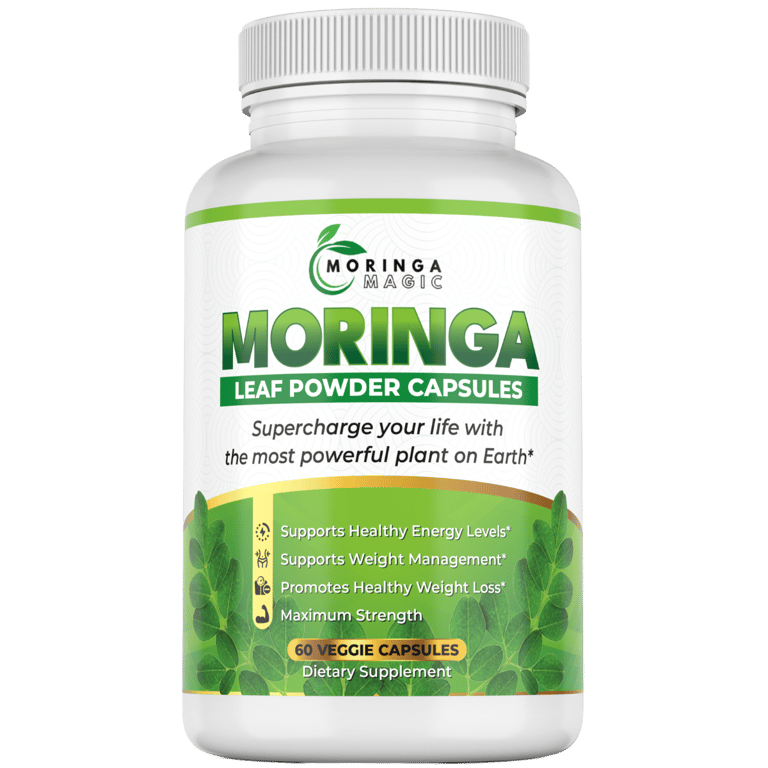
Moringa Magic™ Plant-Based Routine
- Highly bioavailable, plant-based routine designed to provide foundational nutritional support
- Helps your body optimize daily nutrient absorption and address hidden nutrient gaps
- Manufactured in a cGMP-compliant, FDA-registered facility without heavy stimulants
Natural ways to reduce articular friction and heat involve prioritizing omega fatty acid intake and maintaining constant hydration to replenish synovial fluid. Incorporating low impact movement daily supports the distribution of these essential nutrients throughout the joint structures. These habits foster long term structural ease without relying on external interventions.
Key Takeaways
- Synovial fluid volume can decrease by up to 20 percent when cellular hydration levels drop significantly.
- Omega 3 fatty acids contribute to the structural integrity of cartilage membranes by supporting lipid bilayer fluidity.
- Consistent moderate exercise increases synovial fluid circulation, which assists in the dissipation of localized thermal energy.
Supporting Joint Viscosity Through Hydration And Nutrition
Water acts as the primary medium for the transport of nutrients into the joint space. Proper hydration ensures that the viscous properties of the synovial fluid remain constant during physical exertion. A simple way to assess status is by monitoring the color of morning output to ensure adequate baseline intake.
Nutrition also plays a critical role in managing internal heat. Foods rich in antioxidants help neutralize reactive molecules that contribute to structural discomfort. Research from the National Institutes of Health suggests that specific dietary patterns influence the chemical composition of connective tissue.
The inclusion of healthy fats provides the raw materials needed for cellular repair. These fats act as buffers against the metabolic stress that often causes heat within the joints. Focus on these foundational pillars to maintain ease of movement throughout the day.
Calculating Your Daily Needs For Structural Resilience
To understand the requirements for your tissues, you must calculate the ratio of intake versus output. Proper joint function requires a balanced approach to movement and rest. Use the following logic to gauge if your current habits support reduced friction.
Step One: Assess your daily water consumption by multiplying your weight in kilograms by 35 milliliters. This provides a baseline for systemic hydration needed to maintain synovial volume.
Step Two: Evaluate your intake of essential fatty acids by tracking your weekly portions of wild caught fish or plant based seeds. Aim for two servings of oily fish or four tablespoons of ground flaxseeds per week.
Step Three: Integrate fifteen minutes of low impact activity like walking or swimming daily. This motion facilitates the movement of lubricating fluids across the articular surfaces without creating excess stress.
| Nutrient Source | Primary Benefit | Frequency Recommendation |
| Omega Three Fats | Supports Membrane Health | Daily Intake |
| Collagen Peptides | Promotes Tissue Elasticity | Consistent Supplementation |
| Magnesium Rich Foods | Regulates Muscle Relaxation | Evening Consumption |
Natural Ways To Reduce Articular Friction And Heat Through Motion
Movement is the primary mechanism for distributing nutrients into the joint capsule. When a joint remains static for extended periods, the lubrication becomes stagnant and less effective. Gentle, repetitive motion prevents this accumulation of heat and friction.
Walking provides a rhythmic load that stimulates the natural pumping action of the joint. This process draws vital fluids into the cartilage layer during each step. Information from academic journals at Harvard confirms that regular low impact loading sustains long term joint health.
Avoid high intensity jarring movements if you notice significant heat or stiffness. Opt for movements that emphasize range of motion rather than speed or resistance. This gentle approach encourages the body to recalibrate its internal environment naturally.
The Role Of Temperature Regulation In Joint Health
Applying cold or warm compresses offers immediate comfort for surface level sensations. Cold is often preferred when the joint feels warm to the touch as it helps calm the local inflammatory response. Warmth is better suited for morning stiffness to increase the flow of blood to the area.
Experimenting with contrast therapy allows you to observe how your body responds to different stimuli. Alternating between these methods helps stabilize the local temperature of the joint structures. Consistent application throughout the week allows for better management of daily discomfort.
Always listen to the feedback your body provides during these sessions. If a specific temperature makes the sensation feel more intense, discontinue that method immediately. Your comfort level remains the most accurate guide for choosing the correct thermal approach.
Dietary Strategies For Long Term Structural Support
Whole foods provide the essential cofactors needed for the maintenance of connective tissues. Berries, leafy greens, and nuts offer a spectrum of phytonutrients that combat oxidative stress. These compounds work to keep the internal environment of the joint stable and cool.
Sugar intake often correlates with increased systemic metabolic markers that may affect joint comfort. Reducing refined carbohydrates helps lower these levels over time. Focus on building meals around colorful vegetables and high quality proteins to provide the building blocks for tissue health.
Data from the United States National Library suggests that a balanced diet supports the physiological functions necessary for healthy aging. Prioritize diversity in your food choices to ensure you receive a wide range of vitamins and minerals. Small dietary shifts lead to compounding benefits for your musculoskeletal system.
Frequently Asked Questions
How does hydration specifically impact joint lubrication?
Synovial fluid consists mostly of water and hyaluronic acid which work together to create a slippery barrier between bones. When you are properly hydrated, this fluid maintains the correct viscosity to absorb shock and reduce grinding during movement.
If fluid levels drop, the friction between articular surfaces increases significantly. This leads to a sensation of heat and stiffness that limits your range of motion. Drinking water consistently throughout the day ensures the body has the resources to produce this vital lubricant.
Can certain foods increase the heat I feel in my joints?
Some processed foods and high sugar items may trigger metabolic responses that increase systemic stress markers. These markers can influence how the body manages inflammation and temperature at the joint level.
Focusing on whole foods helps stabilize these responses and keeps internal heat within a normal range. Removing ultra processed snacks often helps individuals feel more comfort in their limbs after a few weeks. Prioritize leafy greens and omega three sources to support a cooler and more resilient internal state.
Is exercise safe when I notice friction or heat?
Gentle movement is usually encouraged because it facilitates the flow of nutrients into the joint cartilage. Avoid high impact activities that cause sharp pain or immediate swelling during the movement.
Choose low impact options like swimming or cycling to maintain blood flow and joint lubrication. If you remain completely sedentary, the fluid can become stagnant, which often makes stiffness worse over time. Moderation and listening to your body are the best guides for selecting safe activities.
Are there supplements that help with joint comfort?
Certain compounds like collagen and omega three fatty acids are widely recognized for their role in supporting connective tissue health. These supplements provide the raw materials that the body uses to maintain cartilage and synovial fluid.
While supplements offer support, they work best when combined with a nutrient dense diet and regular movement. Never stop or change any medication without consulting the provider who recommended it. Supplements should be viewed as an addition to, not a replacement for, foundational lifestyle habits.
How long does it take to notice changes in joint comfort?
Many individuals notice subtle shifts in comfort within two to four weeks of consistent lifestyle changes. The time required depends on your current hydration status and the level of structural support provided by your diet.
Patience is essential when building new habits for the musculoskeletal system. Significant structural adaptation is a slow process that requires daily repetition. Stick to the routine for at least one month to accurately gauge the effectiveness of these adjustments.
The Bottom Line
Achieving relief through Cooling Inflamed Joints With Simple Daily Habits requires a commitment to consistent, small changes rather than sudden extremes. By focusing on adequate hydration, balanced nutrition, and gentle daily motion, you create a supportive environment for your joints to thrive.
Implement one change this week by increasing your water intake or adding an omega three rich food to your daily meal plan. Monitor your comfort levels and adjust your activity as needed to maintain ease of movement. Consult a licensed healthcare provider before starting any new wellness routine.
Get Your FREE Natural Health Guide!
Subscribe now and receive our exclusive ebook packed with natural health tips, practical wellness advice, and easy lifestyle changes, delivered straight to your inbox.