
Contents
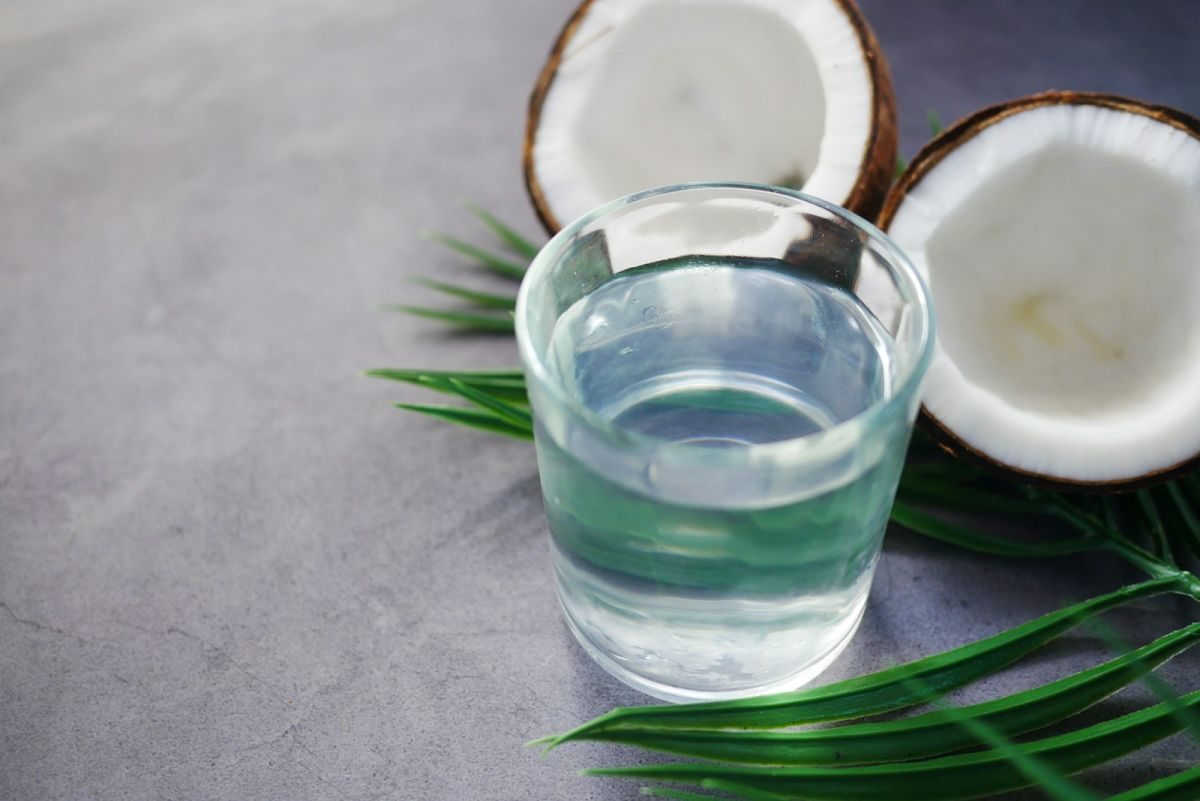
Coconut water has gained popularity as a natural hydration source, especially among fitness enthusiasts and health-conscious individuals. The beverage is often touted as a miracle drink for replenishing electrolytes lost during intense physical activity. This growing trend raises questions about its efficacy in supporting muscle function and hydration.

The human body relies on a delicate balance of electrolytes to maintain optimal muscle performance and overall hydration. When we exercise, sweat, or even experience heat stress, we lose essential minerals such as potassium, sodium, and magnesium. These losses can lead to muscle cramps, fatigue, and decreased performance. This is where coconut water steps in as a potential hero in hydration and electrolyte replenishment.
Coconut water is not just a refreshing drink; it is packed with essential nutrients that can support muscle function and overall wellness. The natural composition of coconut water makes it a suitable alternative to traditional sports drinks, which often contain added sugars and artificial ingredients. Understanding how to effectively incorporate coconut water into your routine can yield significant benefits for muscle recovery and hydration.
In this guide, we will delve into the practical applications of coconut water for muscle electrolytes, explore common mistakes to avoid, examine the science behind its benefits, and provide a buying guide to help you choose the best product for your needs.
How to Use Coconut Water for Real Results
- Best Form: Fresh or bottled coconut water
- Best Time: During or after exercise
- Expected Result: Improved hydration and muscle recovery
For Daily Hydration
The Prep: Start with fresh coconut water or a high-quality bottled option. Ensure it is free from added sugars or preservatives. You may also consider combining it with a pinch of sea salt for enhanced sodium content.
The Action: Drink one cup of coconut water in the morning to kickstart your hydration. You can also sip on it throughout the day, especially during workouts. If engaging in prolonged physical activity, keep a bottle handy for easy access.
The Feeling: Many people report an immediate sense of refreshment and lightness after consuming coconut water. The natural sweetness can provide a pleasant taste without the heaviness often associated with sugary drinks. Expect to feel more energized and less fatigued during workouts.
Pro Tip: Keep coconut water chilled for a more refreshing experience, especially on hot days.
Post-Workout Recovery
The Prep: Have coconut water ready immediately after your workout. If you prefer, mix it with a protein powder to enhance recovery benefits.
The Action: After exercising, consume one to two cups of coconut water. This will help replenish lost electrolytes and hydrate your muscles. If mixing with protein, blend until smooth and drink it within 30 minutes of finishing your workout.
The Feeling: Many athletes notice reduced muscle soreness and cramping when consuming coconut water post-workout. The natural sugars help restore glycogen levels, allowing for a quicker recovery.
Pro Tip: Pair coconut water with a small snack rich in carbohydrates and protein for optimal recovery.
During Intense Activity
The Prep: For activities lasting over an hour, prepare coconut water in a portable container. Consider adding a slice of lime for an extra flavor kick.
The Action: During prolonged exercise, sip on coconut water every 15 to 20 minutes. This will help maintain hydration levels and provide a quick energy boost. If you are sweating heavily, you might want to alternate between coconut water and plain water.
The Feeling: As you hydrate with coconut water, you may experience a decrease in muscle fatigue and cramping. Many users find that it helps them maintain stamina and endurance during long workouts.
Pro Tip: Experiment with different flavor combinations by adding fruits or herbs to your coconut water for variety.
Avoiding Common Pitfalls
Choosing Low-Quality Brands
Many brands offer coconut water, but not all are created equal. Low-quality options may contain added sugars or flavorings that dilute the natural benefits. Always check the ingredient list to ensure you are getting pure coconut water.
The solution lies in researching brands that prioritize quality and transparency. Look for products that are labeled as “100% coconut water” with no added ingredients.
Overconsumption
While coconut water is beneficial, moderation is key. Drinking excessive amounts can lead to imbalances in potassium levels, which may cause issues like hyperkalemia.
To avoid this, limit your intake to one or two servings per day, especially if you are not engaging in intense physical activity. Listen to your body and adjust your consumption based on your hydration needs.
Ignoring Individual Dietary Needs
Coconut water is not suitable for everyone. Individuals with certain medical conditions, particularly those related to kidney function, should consult a healthcare provider before incorporating coconut water into their diet.
Understanding your individual health needs is crucial. If you have concerns about potassium levels or other electrolyte imbalances, seek professional advice before making coconut water a staple in your routine.
The Science Behind Coconut Water
Coconut water contains a unique blend of electrolytes, including potassium, sodium, and magnesium. These minerals play a vital role in muscle function and hydration. Potassium, for instance, helps regulate fluid balance and muscle contractions, making it essential for athletes and active individuals.
The key compound in coconut water is potassium, which is present in higher concentrations compared to most sports drinks. A single cup of coconut water can provide around 600 mg of potassium, making it an effective option for replenishing electrolytes lost during exercise.
Clinical studies have shown that coconut water can effectively rehydrate the body and restore electrolyte balance after physical exertion. Research indicates that it performs comparably to traditional sports drinks in promoting hydration and reducing muscle cramps. For more detailed insights, refer to the findings available on PubMed: Coconut Water and Hydration.
Choosing the Right Product
– **Potency:** Look for coconut water with high potassium content. This ensures you are getting significant electrolyte replenishment.
– **Purity:** Opt for brands that offer 100% pure coconut water without added sugars or preservatives. This maximizes health benefits and maintains natural flavor.
– **Form:** Choose between fresh coconut water and bottled options. Fresh coconut water is often considered the best for taste and nutrient retention.
Benefits vs Risks
| The Benefits | Potential Downsides |
|---|---|
| Natural hydration source | High potassium levels may not suit everyone |
| Low in calories | May contain added sugars in some brands |
| Rich in electrolytes | Overconsumption can lead to imbalances |
Healthy Lifestyle Pairings
Incorporating regular physical activity into your routine can enhance the benefits of coconut water. Aim for at least 150 minutes of moderate exercise weekly to support overall health.
Additionally, maintaining a balanced diet rich in fruits and vegetables can complement the hydration benefits of coconut water. Foods high in electrolytes, such as bananas and leafy greens, can work synergistically to optimize your hydration levels.
Who Should Avoid This?
– Individuals with kidney disease
– Those on potassium-restricted diets
– People with sensitivities to coconut products
– Pregnant women should consult a healthcare provider
Common Questions
Is coconut water better than sports drinks?
Coconut water is often a healthier alternative due to its natural ingredients and lower sugar content. It provides essential electrolytes without artificial additives.
Can I drink coconut water every day?
Yes, moderate consumption is generally safe for most people. However, it’s essential to listen to your body and consult a healthcare provider if you have specific health concerns.
Does coconut water help with hydration?
Yes, coconut water is effective in replenishing fluids and electrolytes lost during exercise or sweating. Its natural composition supports hydration.
Is coconut water suitable for children?
Coconut water can be a healthy drink for children in moderation. However, ensure it is free from added sugars and preservatives.
The Bottom Line
Coconut water can serve as an effective natural hydration option for muscle recovery and electrolyte replenishment.
- The Truth: While beneficial, coconut water should be consumed in moderation.
- The Strategy: Use it during and after workouts for optimal results.
- The Next Step: Incorporate it into a balanced diet for enhanced hydration.
Get Your FREE Natural Health Guide!
Subscribe now and receive our exclusive ebook packed with natural health tips, practical wellness advice, and easy lifestyle changes, delivered straight to your inbox.