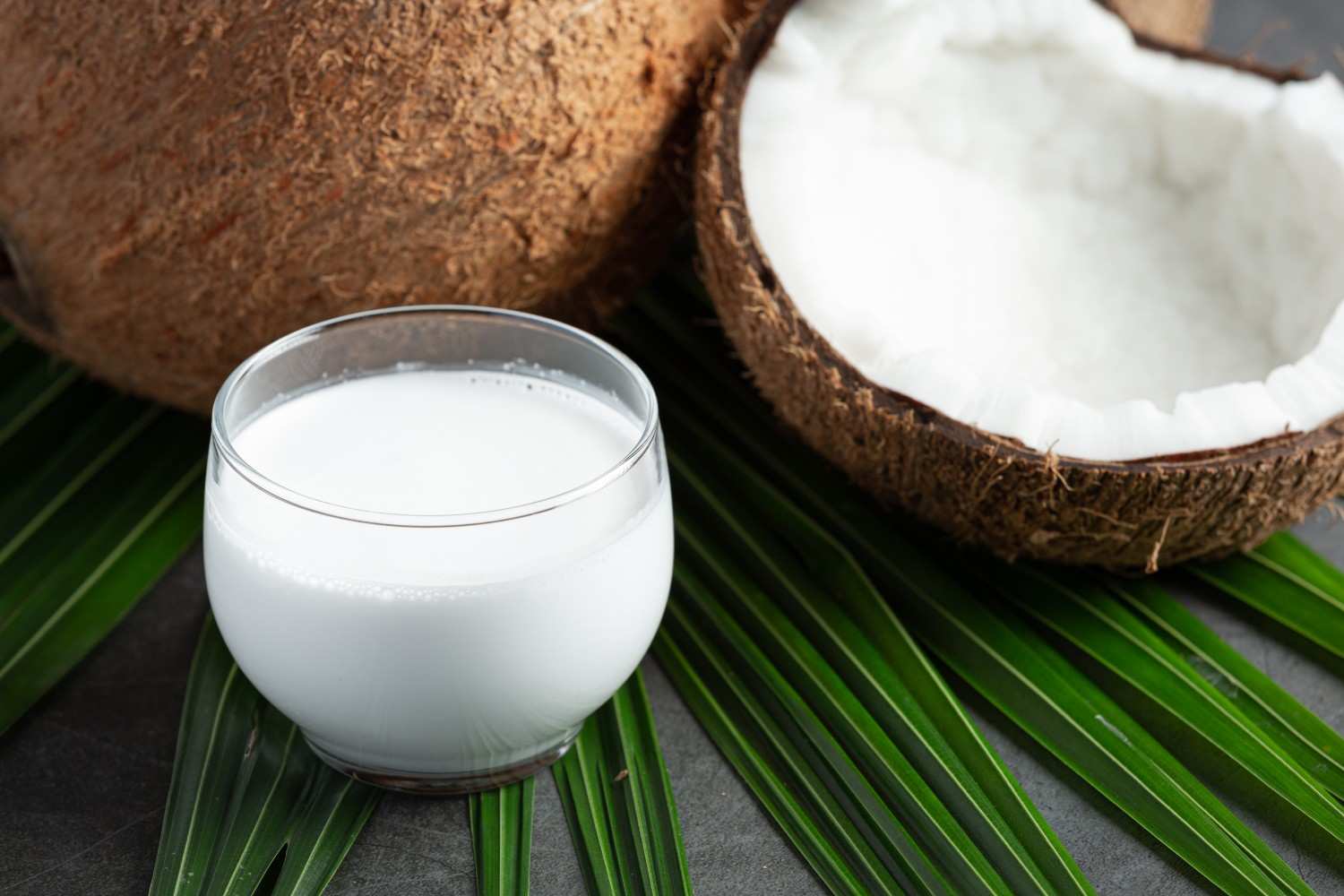

Coconut kefir has emerged as a popular probiotic-rich beverage, capturing the attention of those seeking to enhance their gut health. The modern lifestyle often leads to imbalances in our gut microbiome, contributing to various health issues such as bloating, digestive discomfort, and even mental health struggles. A thriving gut microbiome is essential for overall well-being, as it plays a crucial role in digestion, immunity, and even mood regulation.
Fermented foods like coconut kefir are gaining traction as part of a broader strategy to restore this balance. Unlike dairy kefir, coconut kefir is dairy-free, making it suitable for those with lactose intolerance or dairy allergies. The fermentation process not only enhances the flavor but also multiplies the beneficial bacteria that can positively influence gut health.
Incorporating coconut kefir into your daily routine can be a delicious way to promote a healthy gut microbiome. This guide will delve into practical applications, common mistakes, the underlying science, and more to help you navigate the world of coconut kefir and its benefits for gut health.
Understanding how to effectively use coconut kefir can transform your approach to maintaining gut health. This guide will empower you to make informed choices, harnessing the full potential of this tasty beverage.
Contents
How to Use Coconut Kefir for Real Results
- Best Form: Raw coconut kefir
- Best Time: Morning on an empty stomach
- Expected Result: Improved digestion and overall gut health
For Daily Protection
The Prep: Begin with a cup of raw coconut kefir. Ensure it is unflavored and free from added sugars. If you enjoy a touch of sweetness, consider adding a small amount of raw honey or fresh fruit. Gather a glass and a spoon for stirring.
The Action: Pour the coconut kefir into the glass and stir gently. Consume it on an empty stomach in the morning. This timing allows the probiotics to work effectively, enhancing absorption and promoting a healthy gut environment.
The Feeling: Many people report a refreshing sensation after consuming coconut kefir. It can feel slightly effervescent, with a creamy texture that coats the palate. Expect to feel light and energized shortly after.
Pro Tip: Start with a small amount if you are new to probiotics, gradually increasing your intake to allow your gut to adjust.
Enhancing Smoothies
The Prep: Choose your favorite smoothie ingredients, such as spinach, banana, and berries. Use about half a cup of raw coconut kefir as your base. Gather a blender and a cup for serving.
The Action: Combine the coconut kefir with your selected fruits and vegetables in the blender. Blend until smooth, adjusting the consistency with water or additional kefir if necessary. Pour into a cup and enjoy.
The Feeling: The resulting smoothie will be creamy and flavorful, with a slight tang from the kefir. The probiotics enhance the nutritional profile, making it a nourishing option for breakfast or a snack.
Pro Tip: Experiment with different fruits and greens to discover combinations that suit your taste buds while boosting your gut health.
As a Salad Dressing
The Prep: Gather raw coconut kefir, olive oil, lemon juice, and your favorite herbs. A jar or bowl for mixing will also be needed.
The Action: In a jar, combine two tablespoons of coconut kefir with one tablespoon of olive oil and a squeeze of lemon juice. Add herbs like dill or parsley for flavor. Shake or whisk until thoroughly mixed. Drizzle over your salad before serving.
The Feeling: The dressing will add a creamy texture to your salad. The tang from the kefir complements the freshness of the vegetables, enhancing your meal while promoting digestion.
Pro Tip: Use this dressing to add a probiotic boost to any salad, making it a versatile addition to your meals.
Avoiding Common Errors
Neglecting Quality
Using low-quality coconut kefir can significantly diminish the benefits. Many commercial products contain added sugars, preservatives, and artificial flavors, which can counteract the positive effects of probiotics. Always read labels carefully to ensure you are choosing a product made from high-quality ingredients. Opt for brands that are raw and unpasteurized to maximize probiotic content.
Choosing high-quality coconut kefir is essential for achieving the desired health benefits. Look for products that list live cultures on the label, as these are the beneficial bacteria that will support gut health. Making your own kefir at home is another option that guarantees quality and freshness.
Overconsumption
Consuming excessive amounts of coconut kefir can lead to digestive discomfort. While probiotics are beneficial, introducing them too quickly can overwhelm your gut. Start with a small amount and gradually increase your intake to allow your microbiome to adjust.
Listening to your body is crucial. If you experience bloating or gas after consuming kefir, consider reducing your intake. Everyone’s gut is different, so finding the right balance is key to reaping the benefits without discomfort.
Ignoring Other Dietary Factors
Relying solely on coconut kefir for gut health can be a mistake. A balanced diet rich in fiber, whole grains, fruits, and vegetables is essential for supporting a healthy microbiome. Probiotics work best in conjunction with a diet that nourishes beneficial bacteria.
Incorporate a variety of fermented foods, such as sauerkraut, kimchi, and yogurt, along with coconut kefir. This diversity helps create a more robust microbiome, fostering an environment where beneficial bacteria can thrive.
Understanding the Science Behind Coconut Kefir
Coconut kefir is a fermented beverage made from coconut milk and kefir grains. The fermentation process introduces beneficial bacteria and yeasts that can enhance gut health. These microorganisms help break down food, making nutrients more bioavailable and supporting digestive efficiency.
Lactobacillus and Saccharomyces are among the key strains found in coconut kefir. These probiotics have been shown to improve gut flora diversity, reduce inflammation, and potentially enhance immune function. The presence of these beneficial bacteria creates a favorable environment for digestion and nutrient absorption.
Clinical studies have demonstrated the positive effects of probiotics on gut health. Research indicates that regular consumption of fermented foods can improve symptoms of irritable bowel syndrome (IBS) and promote overall gut health. For more detailed research, visit this link to explore the evidence further.
Selecting the Best Coconut Kefir Products
- Potency: Look for products with a high number of live cultures, as this indicates their effectiveness in promoting gut health.
- Purity: Choose organic and unflavored coconut kefir to avoid added sugars and artificial ingredients that can hinder health benefits.
- Form: Consider whether you prefer store-bought or homemade kefir, as each has its advantages in terms of taste and quality control.
Evaluating the Benefits and Risks
| The Benefits | Potential Downsides |
|---|---|
| Rich in probiotics, promoting gut health. | May cause digestive discomfort if consumed in excess. |
| Dairy-free alternative for those with lactose intolerance. | Quality can vary significantly among brands. |
| Versatile ingredient for various dishes and beverages. | Some individuals may have allergies to coconut products. |
Complementary Lifestyle Habits
Incorporating regular physical activity into your routine can significantly enhance gut health. Exercise promotes healthy digestion and can improve mood, further supporting the microbiome. Aim for at least 30 minutes of moderate exercise most days.
Mindfulness practices such as yoga or meditation can also benefit gut health. Stress has a profound impact on digestion and the microbiome. By managing stress through mindfulness, you create a more favorable environment for gut health.
Who Should Avoid This?
- Individuals with coconut allergies.
- People with specific gastrointestinal disorders, like pancreatitis.
- Those on immunosuppressive medications.
Common Questions
Is coconut kefir suitable for everyone?
Coconut kefir is generally safe for most people but should be avoided by those with coconut allergies or specific gastrointestinal conditions.
How often should I consume coconut kefir?
Daily consumption is often recommended for optimal gut health, but starting with a small amount is advisable.
Can I make coconut kefir at home?
Yes, making coconut kefir at home is straightforward. You need kefir grains and coconut milk, allowing you to control the ingredients and fermentation process.
Will coconut kefir help with digestive issues?
Many individuals find relief from digestive discomfort after incorporating coconut kefir into their diet, thanks to its probiotic content.
The Bottom Line
Coconut kefir offers a tasty and effective way to support gut health.
- The Truth: Individual responses to probiotics can vary.
- The Strategy: Consume it in the morning on an empty stomach for best results.
- The Next Step: Consider adding other fermented foods to your diet for a comprehensive approach to gut health.
Get Your FREE Natural Health Guide!
Subscribe now and receive our exclusive ebook packed with natural health tips, practical wellness advice, and easy lifestyle changes, delivered straight to your inbox.