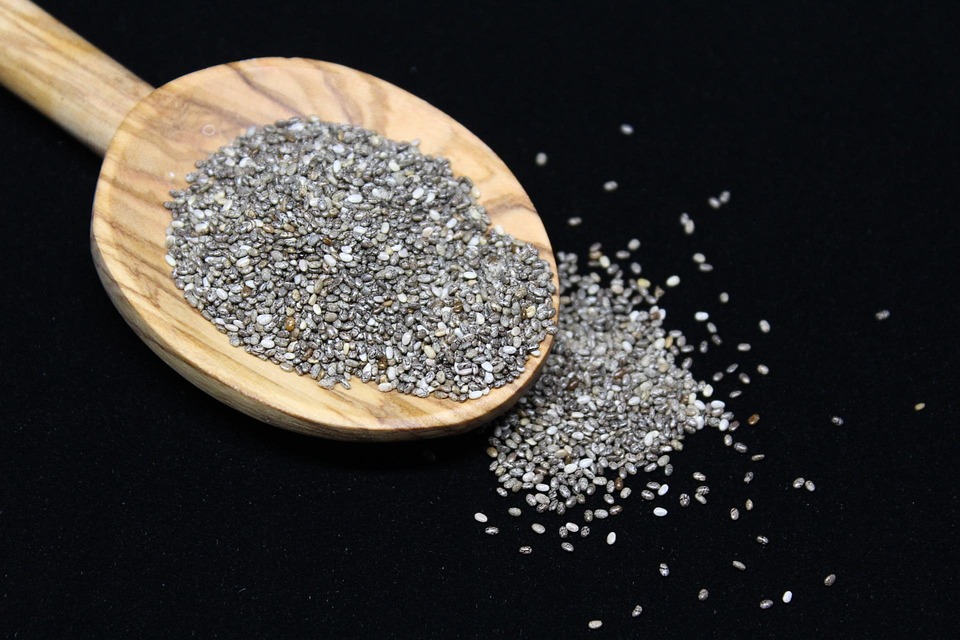

Chia seeds have become increasingly popular as a nutritional powerhouse, but many people remain unaware of their specific benefits, particularly regarding omega-3 circulation. Omega-3 fatty acids are essential for maintaining heart health, reducing inflammation, and supporting cognitive function. Yet, many individuals fail to consume adequate amounts of these beneficial fats. This gap is where chia seeds can provide a simple yet effective solution.
The shift toward plant-based diets has led to a growing interest in alternative sources of omega-3s. Unlike fish oil, which is often the go-to for omega-3 supplementation, chia seeds offer a vegan-friendly option that is rich in alpha-linolenic acid (ALA), a type of omega-3 fatty acid. Incorporating chia seeds into your daily routine can significantly enhance your omega-3 intake without the need for supplements or fish.
Beyond their omega-3 content, chia seeds are also high in fiber, antioxidants, and essential minerals. This combination not only supports overall health but also helps combat various conditions linked to omega-3 deficiency. By understanding how to effectively incorporate chia seeds into your diet, you can maximize their benefits and improve your well-being.
The journey to better health through chia seeds begins with understanding their unique characteristics and how they can fit seamlessly into your lifestyle. Explore the various ways to use chia seeds, the science behind their benefits, and practical tips for ensuring you get the most out of this remarkable superfood.
Contents
How to Use Chia Seeds for Real Results
- Best Form: Whole seeds or ground seeds
- Best Time: Morning or added to meals
- Expected Result: Improved omega-3 intake and overall health
For Daily Protection
The Prep: Start with two tablespoons of chia seeds, a cup of your favorite liquid such as almond milk or water, and optional flavorings like vanilla extract or honey. Mix these ingredients in a bowl or jar. Allow the mixture to sit for about 10 to 15 minutes so the chia seeds can absorb the liquid and swell.
The Action: After the seeds have soaked, stir the mixture well. You can top it with fruits, nuts, or granola for added texture and flavor. This chia pudding can serve as a nutritious breakfast or snack. Consume it in the morning to kickstart your omega-3 intake for the day.
The Feeling: As you enjoy the pudding, you will notice a satisfying, creamy texture from the chia seeds. The sensation is refreshing and energizing, often lasting for several hours. You may feel a gradual boost in energy and focus as your body benefits from the healthy fats.
Pro Tip: Experiment with different liquids and toppings to keep your chia pudding exciting and varied.
Targeting Acute Inflammation
The Prep: Gather two tablespoons of chia seeds, one cup of coconut water, and a pinch of sea salt. This combination helps to hydrate and provide essential electrolytes.
The Action: Mix the chia seeds with coconut water in a shaker bottle. Shake vigorously until the seeds are evenly distributed. Let the mixture sit for about 10 minutes to allow the seeds to absorb the liquid. Consume this drink during or after a workout to combat inflammation.
The Feeling: Upon drinking, you may experience a cooling sensation from the coconut water, complemented by the slight crunch of the chia seeds. The hydration and omega-3s can lead to a quicker recovery from exercise, helping to reduce soreness.
Pro Tip: Add a splash of lemon or lime juice for an extra zing and vitamin C boost.
The Nighttime Routine
The Prep: Prepare a soothing bedtime drink by combining two tablespoons of chia seeds with a cup of warm almond milk. You can sweeten it with a teaspoon of honey and add a sprinkle of cinnamon for flavor.
The Action: Mix the ingredients well and let them sit for about 15 minutes. This allows the chia seeds to expand and create a gel-like consistency. Sip the drink slowly before bedtime to promote relaxation.
The Feeling: As you consume the warm drink, you may feel a comforting warmth spreading through your body. The combination of omega-3s and magnesium from the seeds can help induce a sense of calm, making it easier to drift into a restful sleep.
Pro Tip: Consider adding a few drops of vanilla extract for a soothing aroma and taste.
Avoiding Common Pitfalls
Choosing Low-Quality Seeds
Using low-quality chia seeds can diminish their benefits. Cheap products may have been improperly processed or stored, leading to rancidity. When seeds go bad, they lose their nutritional value and can even become harmful.
To ensure you are getting the best, always opt for organic, high-quality chia seeds. Look for brands that provide transparency about their sourcing and processing methods. Fresh seeds will have a nutty flavor and a firm texture, indicating they are still potent.
Neglecting Preparation Time
Many people underestimate the importance of allowing chia seeds to soak before consumption. Skipping this step can lead to digestive discomfort as dry seeds may expand in the stomach and cause bloating.
Always allow chia seeds to soak for at least 10 to 15 minutes in a liquid before consuming them. This not only improves digestibility but also enhances the texture of your dishes, making them more enjoyable.
Overconsumption
Chia seeds are nutrient-dense, and consuming them in excess can lead to unwanted side effects such as gastrointestinal issues. Some individuals might assume that more is better, but this can backfire.
Stick to a recommended serving of about two tablespoons per day. This amount provides a balanced intake of omega-3s, fiber, and other nutrients without overwhelming your digestive system.
The Science Behind Omega-3 Benefits
The biological mechanism of omega-3 fatty acids involves their incorporation into cell membranes, where they play a vital role in maintaining cell structure and function. Omega-3s help regulate inflammation and promote heart health by influencing the production of signaling molecules known as eicosanoids.
Alpha-linolenic acid, or ALA, is the primary omega-3 fatty acid found in chia seeds. Once consumed, ALA can be converted into the more potent forms of omega-3s, EPA and DHA, though this conversion is not very efficient in humans. Nonetheless, ALA still provides numerous health benefits, especially for those who do not consume fish or fish oil.
Research supports the health benefits of chia seeds as a source of omega-3 fatty acids. A study published in the National Library of Medicine indicates that regular consumption can improve cardiovascular health and reduce markers of inflammation.
Choosing the Right Product
– **Potency:** Look for chia seeds that contain at least 20 grams of omega-3 per 100 grams. This indicates a strong nutritional profile and effectiveness in supporting health.
-
Purity: Ensure the product is free from additives and preservatives. Pure chia seeds have a longer shelf life and maintain their health benefits.
-
Form: Whole seeds and ground seeds both have benefits. Whole seeds provide a longer shelf life, while ground seeds may offer better nutrient absorption. Choose based on your dietary needs.
Understanding Benefits and Risks
| The Benefits | Potential Downsides |
|---|---|
| Rich in omega-3 fatty acids, supporting heart health. | Overconsumption may lead to digestive issues. |
| High in fiber, promoting digestive health. | May cause allergic reactions in sensitive individuals. |
| Versatile and easy to incorporate into meals. | Quality varies significantly between brands. |
Integrating Healthy Habits
Incorporating chia seeds into your daily routine can be complemented by other healthy lifestyle choices. Regular physical activity enhances overall well-being and can amplify the benefits of omega-3 fatty acids.
Mindfulness practices such as yoga or meditation can also contribute to reducing stress, which is crucial for maintaining heart health. Together, these habits create a synergistic effect that supports your overall health.
Who Should Avoid This?
– Individuals with allergies to chia seeds or related plants.
– Those with gastrointestinal disorders may experience discomfort from high fiber content.
– People on anticoagulant medications should consult healthcare providers due to potential blood-thinning effects.
Common Questions
How do chia seeds compare to fish oil?
Chia seeds are a plant-based source of omega-3s, primarily in the form of ALA, while fish oil provides EPA and DHA. Both contribute to heart health but through different pathways.
Can I eat chia seeds every day?
Yes, consuming chia seeds daily is generally safe and beneficial, provided you stick to the recommended serving size of two tablespoons.
Are there any side effects associated with chia seeds?
Some people may experience digestive discomfort if they consume too many chia seeds or do not allow them to soak adequately before eating.
How should I store chia seeds?
Store chia seeds in a cool, dark place in an airtight container to maintain their freshness and prevent rancidity.
The Final Thoughts
Chia seeds are an excellent source of omega-3s, offering numerous health benefits when incorporated correctly into your diet.
- The Truth: They are not a complete replacement for fish oil but offer a valuable alternative for plant-based diets.
- The Strategy: Incorporate them into daily meals for maximum benefit.
- The Next Step: Experiment with different recipes to find your favorite way to enjoy chia seeds.
Get Your FREE Natural Health Guide!
Subscribe now and receive our exclusive ebook packed with natural health tips, practical wellness advice, and easy lifestyle changes, delivered straight to your inbox.