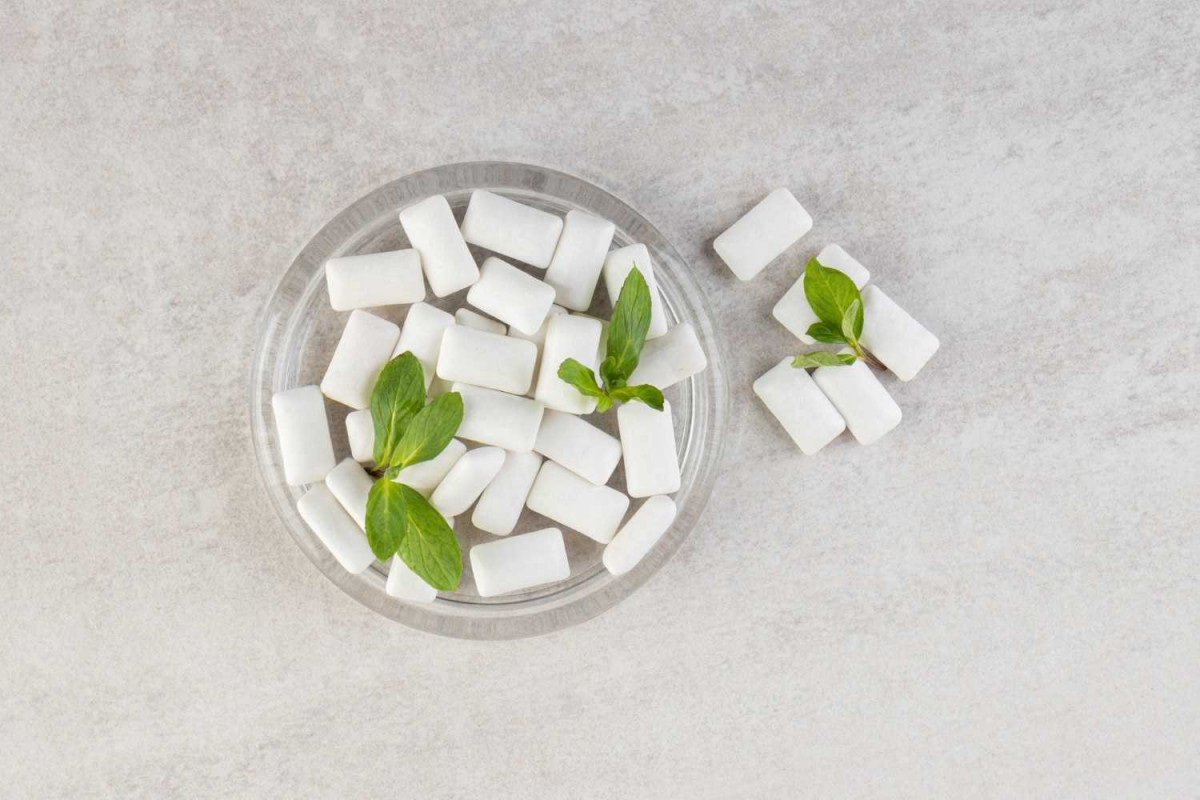

Chewing gum has been a popular pastime for decades. However, many people are unaware of the significant impact that certain types of gum can have on dental health. Cavities represent a persistent issue that affects individuals of all ages, leading to discomfort, costly dental procedures, and even serious health complications. The conventional wisdom surrounding dental hygiene often emphasizes brushing and flossing, yet the role of dietary choices and habits is equally critical. Among these choices, xylitol gum stands out as an effective tool in the fight against cavities.
Xylitol, a natural sugar alcohol, has garnered attention for its unique properties that can contribute to oral health. Unlike traditional sugars, xylitol does not ferment in the mouth, making it less likely to contribute to tooth decay. Instead, it can actually inhibit the growth of harmful bacteria that lead to cavities. This dual action of both preventing decay and promoting a healthier oral environment positions xylitol gum as a valuable addition to daily dental care routines.
Incorporating xylitol gum into one’s daily habits may seem simple, but understanding the best practices for its use is essential for maximizing its benefits. This guide will delve into practical applications, common mistakes to avoid, the scientific basis for its effectiveness, and how to choose the right product. By equipping yourself with this knowledge, you can take proactive steps to maintain dental health and reduce the risk of cavities effectively.
Creating a routine that includes xylitol gum not only supports oral hygiene but also offers a refreshing and enjoyable experience. The following sections will provide an in-depth exploration of how to leverage xylitol gum for optimal dental health.
Contents
How to Use Xylitol Gum for Real Results
- Best Form: Sugar-free xylitol gum
- Best Time: After meals or snacks
- Expected Result: Reduced cavity risk and fresher breath
For Daily Protection
The prep involves selecting a sugar-free xylitol gum that lists xylitol as one of the first ingredients. Check for a product that contains at least 1 gram of xylitol per piece. Gather your gum and ensure you have access to water if you prefer to rinse your mouth afterward.
The action begins after meals. Chew one piece of xylitol gum for at least 5 to 10 minutes. This duration allows the xylitol to interact effectively with the saliva produced during chewing. Make sure to chew the gum thoroughly to maximize its benefits.
The feeling you experience may include a refreshing burst of flavor that cleanses your palate. The sweetness of xylitol is often pleasant and leaves a clean sensation in the mouth. This refreshing feeling can last for up to 30 minutes after chewing.
Pro Tip: Always choose a gum that is specifically labeled as containing xylitol to ensure you receive the benefits.
Targeting Acute Plaque Buildup
The prep involves identifying times when you feel plaque accumulation, often after consuming sugary snacks or drinks. Have your xylitol gum ready, and if possible, rinse your mouth with water beforehand to remove some of the debris.
The action consists of chewing the gum immediately after your snack. Chew vigorously for about 10 minutes. This action promotes saliva production, which helps neutralize acids in the mouth and wash away food particles.
The feeling may include a tingling sensation as saliva floods your mouth, which can feel refreshing and invigorating. You may notice that your mouth feels cleaner and less sticky, providing immediate relief from the discomfort associated with plaque buildup.
Pro Tip: Chewing gum can be a great alternative to brushing when on the go, especially in social settings.
The Nighttime Routine
The prep requires having xylitol gum accessible at your bedside. This ensures you can chew it without getting out of bed, making it convenient for your nighttime routine.
The action involves chewing a piece of gum for about 10 minutes before sleeping. This will help maintain oral moisture and protect your teeth overnight.
The feeling can be comforting, with the sweet taste lingering as you prepare for sleep. This routine can help you wake up feeling fresher, with reduced morning breath and a cleaner mouth.
Pro Tip: Avoid sugary snacks before bed and opt for xylitol gum instead to enhance your oral hygiene.
Mistakes to Avoid When Using Xylitol Gum
Choosing Low-Quality Gum
Opting for low-quality gum can lead to ineffective results in your cavity prevention efforts. Many cheaper brands may contain minimal amounts of xylitol or artificial sweeteners that do not provide the same benefits. Always check the ingredient list to ensure xylitol is prominent.
Using a product that lacks sufficient xylitol can diminish its cavity-fighting properties. This can lead to disappointment when expecting results. Investing in high-quality gum ensures you receive the benefits associated with xylitol.
Neglecting Oral Hygiene Routine
Some individuals may rely solely on xylitol gum and neglect their overall oral hygiene. While xylitol gum can help reduce cavity risk, it should not replace regular brushing and flossing.
Failing to maintain a comprehensive oral care routine can lead to other dental issues. The combination of regular brushing, flossing, and using xylitol gum provides a multifaceted approach to dental health.
Overusing Gum
Chewing excessive amounts of gum can lead to jaw discomfort or other oral issues. While xylitol gum is beneficial, moderation is key.
Overuse can result in soreness in the jaw or lead to a habit of chewing gum instead of addressing food cravings. Limiting gum chewing to after meals or specific times can help maintain its effectiveness while preventing any adverse effects.
The Science Behind Xylitol’s Effectiveness
Xylitol works biologically by creating an environment in the mouth that is inhospitable to cavity-causing bacteria. When xylitol is present, it disrupts the metabolism of bacteria such as Streptococcus mutans, which is responsible for tooth decay. This disruption inhibits their ability to produce acid, thereby reducing the risk of cavities.
The key compound in xylitol is its unique sugar alcohol structure. This structure is not easily fermented by oral bacteria, which means that it does not contribute to acid production. Instead, it promotes the remineralization of tooth enamel, thereby strengthening teeth and making them more resistant to decay.
Clinical evidence supports the use of xylitol in preventing cavities. Studies have shown that regular consumption of xylitol can lead to a significant reduction in cavities among both children and adults. For more detailed research findings, visit this link.
Choosing the Right Product
- Potency: Ensure the gum contains a high percentage of xylitol per piece. This ensures maximum effectiveness.
- Purity: Look for products that are free from artificial sweeteners and additives. This guarantees that you are consuming a natural product.
- Form: Select gum that is easy to chew and has a pleasant taste. This encourages regular use and helps build a habit.
Benefits vs Risks
| The Benefits | Potential Downsides |
|---|---|
| Reduces cavity formation by inhibiting harmful bacteria. | Excessive chewing may lead to jaw discomfort. |
| Promotes saliva production, which helps neutralize acids. | Some individuals may experience gastrointestinal discomfort if consumed in large quantities. |
| Provides a refreshing taste and can improve breath. | Not a substitute for regular oral hygiene practices. |
Habits that Complement Your Dental Health
Incorporating a balanced diet rich in fruits and vegetables can further enhance your dental health. Foods high in fiber can help cleanse the teeth naturally and stimulate saliva production.
Staying hydrated is equally important. Drinking plenty of water throughout the day helps wash away food particles and bacteria, reducing the risk of cavities and promoting overall oral health.
Who Should Avoid This?
– Individuals who have allergies to xylitol or related compounds.
– Those with gastrointestinal conditions that may be aggravated by sugar alcohols.
– People with diabetes should consult a healthcare provider before use, as xylitol can impact insulin levels.
Common Questions
How often should I chew xylitol gum?
Chewing after meals is recommended, ideally 2 to 3 times a day, to maximize its benefits.
Can children use xylitol gum?
Yes, children can benefit from xylitol gum, but it is essential to ensure they are old enough to chew gum safely.
Is xylitol safe for pets?
No, xylitol is toxic to dogs and some other animals, so keep it away from them.
Does xylitol gum replace brushing?
No, xylitol gum should complement regular brushing and flossing, not replace them.
The Bottom Line
Xylitol gum can be a valuable addition to your dental hygiene routine.
- The Truth: While xylitol gum helps reduce cavities, it should not replace traditional dental care.
- The Strategy: Chew xylitol gum after meals for optimal benefits.
- The Next Step: Incorporate a balanced diet and hydration for better oral health.
Get Your FREE Natural Health Guide!
Subscribe now and receive our exclusive ebook packed with natural health tips, practical wellness advice, and easy lifestyle changes, delivered straight to your inbox.