
Bladder spasms can be an uncomfortable and disruptive issue that affects many individuals. The sudden contractions of the bladder can lead to frequent urges to urinate, pain, and distress. For those seeking natural remedies, chamomile tea emerges as a potential soothing option. This herbal infusion has a long history of use for its calming properties, making it a candidate for alleviating the discomfort associated with bladder spasms.


Chamomile is known for its anti-inflammatory and antispasmodic effects, which may help relax the muscles of the bladder. This can provide relief during episodes of spasms. Additionally, the gentle sedative effects of chamomile can also contribute to an overall sense of well-being, which is essential when coping with the anxiety that often accompanies bladder issues.
Incorporating chamomile tea into one’s daily routine may not only help soothe bladder spasms but also promote relaxation and improve sleep quality. This is particularly beneficial for individuals who find that anxiety exacerbates their bladder symptoms. Understanding how to prepare and use chamomile tea effectively can make a significant difference in managing these discomforts.
The following sections will delve into how to utilize chamomile tea for bladder spasms, common mistakes to avoid, the science behind its efficacy, and additional lifestyle tips for maximizing its benefits.
Contents
How to Use Chamomile Tea for Real Results
- Best Form: Loose leaf or tea bags
- Best Time: Evening or during episodes of discomfort
- Expected Result: Reduced spasm frequency and improved relaxation
For Daily Protection
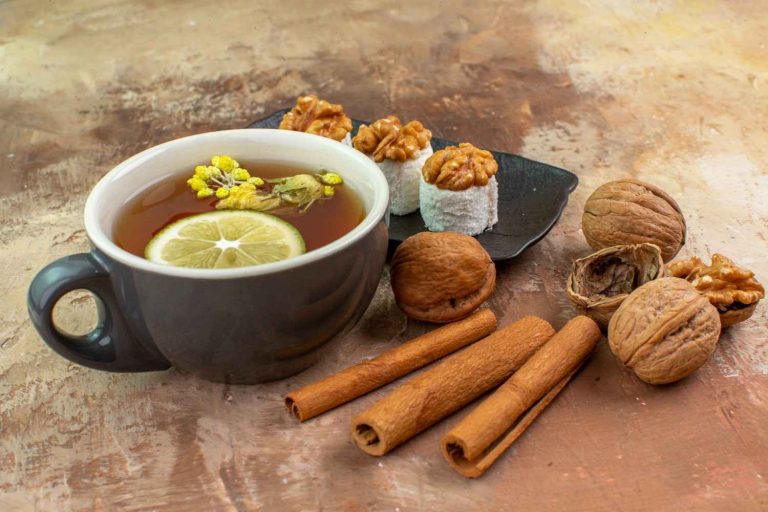
The Prep: Gather high-quality chamomile flowers or tea bags. If using loose leaf, you will need a tea infuser. Fresh water is essential for the best flavor. Consider adding a touch of honey for sweetness.
The Action: Boil water and let it cool for about a minute before pouring over the chamomile. Steep for five to seven minutes. Strain if using loose leaf, and enjoy your tea in a peaceful setting.
The Feeling: As you sip, the warmth travels down, creating a soothing sensation throughout your body. Many report a calming effect within minutes, lasting for several hours.
Pro Tip: Prepare a larger batch and store it in the refrigerator for a refreshing iced option later in the day.
Targeting Acute Pain
The Prep: Use fresh chamomile flowers if possible. You will also need a small pot, a strainer, and a cup. Some may choose to add a pinch of ginger for enhanced anti-inflammatory effects.
The Action: Bring water to a boil, then add the chamomile and ginger. Allow it to simmer for about ten minutes. Strain and serve hot. Consider sipping slowly to maximize the soothing effects.
The Feeling: The combination of warmth and the aromatic properties of ginger and chamomile creates a comforting experience. Users often report a decrease in acute pain after just one cup.
Pro Tip: Pair this tea with deep breathing exercises to further enhance the relaxation effects.
The Nighttime Routine
The Prep: Choose a quiet evening to prepare your chamomile tea. Gather chamomile tea bags or loose flowers, a kettle, and a cup. You may also want a cozy blanket nearby for added comfort.
The Action: Boil water and let it cool for a moment. Steep the chamomile for seven to ten minutes. As you prepare to drink, dim the lights and create a relaxing environment.
The Feeling: The calming aroma fills the air, and as you sip, a gentle tranquility envelops you. Many find that the effects help them drift into a restful sleep, reducing nighttime spasms.
Pro Tip: Make this tea part of your bedtime ritual to signal to your body that it is time to relax.
Avoiding Common Mistakes with Chamomile Tea
Using Low-Quality Herbs
Incorporating stress-reducing practices such as yoga or meditation can amplify the calming effects of chamomile tea. These practices promote overall wellness and can help manage bladder spasms more effectively. Maintaining a balanced diet rich in anti-inflammatory foods can also support bladder health. Consider integrating fruits, vegetables, and omega-3 fatty acids to complement the soothing properties of chamomile.
Get Your FREE Natural Health Guide!Ignoring Preparation Guidelines
Neglecting Other Lifestyle Factors
The Science Behind Chamomile’s Effects
Choosing the Right Product
Pros & Cons of Chamomile Tea
The Benefits
Potential Downsides
May reduce muscle spasms
Possible allergic reactions in sensitive individuals
Promotes relaxation and sleep
Interaction with certain medications
Easy to prepare and consume
Not a substitute for medical treatment
Habits to Enhance the Benefits
Who Should Avoid This?
Common Questions
Can chamomile tea help with anxiety?
How often can I drink chamomile tea?
Is chamomile tea safe for children?
What is the best way to store chamomile tea?
The Bottom Line
Subscribe now and receive our exclusive ebook packed with natural health tips, practical wellness advice, and easy lifestyle changes, delivered straight to your inbox.