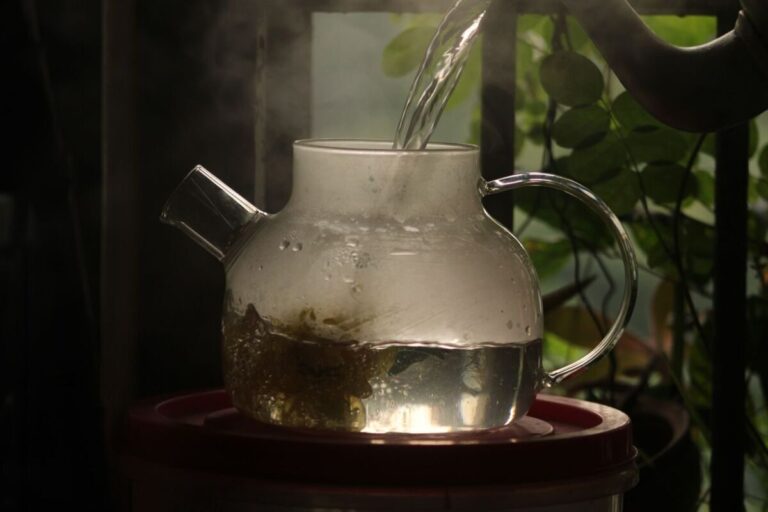
Chamomile Tea for Calming Inflammation: An Ancient Comfort Reimagined
For centuries, many cultures have turned to chamomile, primarily in tea form, for its comforting and soothing qualities. This unassuming blossom, often found in fields, holds a respected place in traditional wellness practices.
People commonly explore chamomile tea for calming inflammation and for its general contribution to a sense of well being. It offers a gentle, non prescriptive way to support the body’s natural comfort processes.
Understanding the constituents and historical context of chamomile can illuminate its persistent popularity as a simple yet impactful addition to a lifestyle focused on natural balance and ease.
The Historical Embrace of Chamomile
The use of chamomile dates back to ancient civilizations. Egyptians revered it as a gift from the sun god Ra, employing it for various purposes including embalming and as a common herbal remedy. Its fragrant blossoms were highly valued.
Ancient Greeks and Romans also recognized chamomile’s virtues. They used it to address discomfort and promote relaxation. Roman philosopher Pliny the Elder documented its widespread application.
Across medieval Europe, chamomile became a staple in monasteries and homes. It was often cultivated in herb gardens and served as a readily available comfort. Herbalists frequently recommended it for its gentle nature.
Traditional European medicine, spanning centuries, consistently highlighted chamomile’s role in promoting calm. It was a go to for restlessness and to foster a general sense of internal peace. This long standing use speaks to its perceived efficacy.
This rich history underscores chamomile’s enduring appeal. Its transition from ancient reverence to modern day commonality reflects a deep rooted trust in its gentle properties and widespread accessibility.
- Ancient Use: Revered by Egyptians, Greeks, and Romans.
- Medieval Staple: Widely cultivated in European herb gardens.
- Traditional Focus: Promoting calm and addressing discomfort.
Traditional Preparation
To access its traditional benefits, steep dried chamomile flowers in hot water. This simple method has remained largely unchanged throughout its history, highlighting the plant’s inherent accessibility.
Unpacking Chamomile’s Soothing Constituents
Chamomile’s reputation for supporting comfort stems from its complex chemical makeup. The plant contains a variety of active compounds, each contributing to its overall profile. These constituents work in concert.
Flavonoids are a significant class of compounds found in chamomile. One of the most prominent is apigenin, a flavonoid often associated with the plant’s calming attributes. Apigenin is found in high concentrations within the flower heads.
Another important group are the terpenoids. These include bisabolol and chamazulene, which are key components of chamomile essential oil. These compounds are frequently discussed in relation to topical applications for skin comfort.
The interaction of these various compounds is thought to be responsible for chamomile’s comprehensive effects. It’s not just one single ingredient but the synergy of multiple botanical elements. This botanical collaboration defines its properties.
People often find that products standardized for these active compounds offer a consistent experience. This consistency can be valuable for individuals seeking predictable support for their wellness goals.
| Key Compound | Primary Type | Common Association |
|---|---|---|
| Apigenin | Flavonoid | Promoting calm and relaxation |
| Bisabolol | Terpenoid | Skin soothing and comforting |
| Chamazulene | Terpenoid | Contributing to overall botanical comfort |
| Luteolin | Flavonoid | Supporting general wellness efforts |
- Active Compound: Apigenin, bisabolol, chamazulene.
- Primary Class: Flavonoids and Terpenoids.
- General Association: Supporting a sense of calm and comfort.
Botanical Sourcing
When selecting chamomile, prioritize sources that emphasize the purity and origin of their botanical materials. This attention to detail can enhance the overall quality of your chamomile experience.
Brewing the Optimal Chamomile Experience
Crafting a cup of chamomile tea involves simple steps, yet attention to detail can enhance its comforting qualities. The quality of the water, the temperature, and steeping time all play a role in the final infusion.
Start with fresh, filtered water. Chlorine or other impurities in tap water can alter the delicate flavor profile of chamomile. A clean base allows the botanical notes to shine through.
The ideal water temperature for chamomile tea is just below boiling, around 200°F (93°C). Boiling water can sometimes scorch delicate herbs, diminishing their aromatic compounds. Allow water to cool slightly after boiling.
Steeping time is crucial. For a robust cup that extracts the beneficial compounds without becoming bitter, aim for 5 to 10 minutes. A longer steep generally yields a stronger brew, but personal preference dictates the perfect timing.
Covering your mug or teapot during steeping helps to retain the volatile aromatic compounds. These oils are part of what gives chamomile its distinctive fragrance and contributes to its soothing essence. A lid is a simple but effective tool.
Using loose leaf chamomile flowers rather than tea bags can often provide a more flavorful and potent infusion. Loose flowers have more surface area for water to interact with, releasing a broader spectrum of constituents.
- Water Quality: Fresh, filtered water is preferred.
- Temperature: Approximately 200°F (93°C), just off a boil.
- Steeping Time: 5 10 minutes for optimal extraction.
- Coverage: Keep the steeping vessel covered to retain aromatics.
Recommended Steeping
Steep a tablespoon of dried chamomile flowers in 8 ounces of hot water for seven minutes. This method often yields a balanced and comforting infusion, supporting the body’s natural processes of relaxation.
Beyond the Cup: Chamomile’s Diverse Applications
While chamomile tea is its most recognized form, the plant’s benefits extend beyond a comforting beverage. Its soothing properties make it suitable for various other wellness applications. Exploring these uses can broaden your comfort strategies.
Topical applications of chamomile are widely discussed, especially for skin care. Infused oils or compresses made from brewed chamomile can be applied externally. People often use these for general skin comfort and to support a healthy looking complexion.
Chamomile essential oil, extracted from the flowers, is a popular choice for aromatherapy. Diffusing the oil or adding a few drops to a warm bath can contribute to a serene atmosphere. This can be a wonderful part of a wind down routine.
Some individuals incorporate chamomile into homemade facial steams. The gentle vapor, enriched with chamomile’s aromatics, can offer a soothing experience for the skin and respiratory passages. It’s a simple, natural approach to personal care.
Even a cool compress made with strong chamomile tea can be explored for external comfort. This can be particularly refreshing. The versatility of chamomile makes it a valuable botanical for many parts of a wellness regimen.
People with underlying conditions often work with a qualified healthcare professional for personalized guidance regarding specific topical applications or essential oil use. This information is educational and not a substitute for medical advice.
- Topical Use: Infused oils or compresses for skin comfort.
- Aromatherapy: Diffused essential oil for a serene atmosphere.
- Facial Steams: For a soothing skin experience.
- Cool Compresses: Refreshing external comfort.
External Comfort
Consider a chamomile infused oil or a cool tea compress for general external soothing. This can be a pleasant addition to a self care routine focused on skin wellness and relaxation.
Common Misconceptions About Chamomile
Despite its long history of use, several misconceptions about chamomile persist. Clarifying these can help individuals make informed decisions about incorporating it into their wellness routines. Understanding proper use is key.
One common misunderstanding is that all chamomile is the same. Two main types exist: German chamomile (Matricaria chamomilla) and Roman chamomile (Chamaemelum nobile). While both are used for similar purposes, they have slightly different chemical profiles and aromatic qualities. German chamomile is generally more common in teas.
Some people believe that more is always better when it comes to steeping. Over steeping chamomile can lead to a bitter taste, which detracts from the pleasant experience. It doesn’t necessarily increase the beneficial properties significantly beyond the optimal window.
Another misconception revolves around immediate effects. Chamomile is often described as gentle and cumulative. While a single cup can offer immediate comfort, consistent, moderate use often contributes more significantly to long term wellness goals. It’s about sustained support.
Finally, there’s a belief that chamomile tea is a standalone solution for all forms of discomfort. While it is a valuable part of a wellness strategy, it complements a balanced lifestyle, adequate rest, and proper nutrition. It supports the body, rather than acting as a sole remedy.
People should always ensure they are using high quality, pure chamomile. Contaminated or poorly stored products may not deliver the expected benefits. Checking the source and reputation of the botanical is always a sensible practice.
- Type Confusion: German vs. Roman chamomile differences.
- Over Steeping: Can lead to bitterness, not increased efficacy.
- Immediate Expectation: Effects are often gentle and cumulative.
- Standalone Solution: Best as part of a broader wellness strategy.
Purity Considerations
Always source chamomile from reputable suppliers to ensure its purity and quality. This helps guarantee you are receiving the best possible botanical material for your wellness practices.
Integrating Chamomile into a Wellness Lifestyle
Incorporating chamomile into a daily routine can be a simple yet profound way to enhance overall well being. Its gentle nature makes it compatible with a variety of lifestyle choices aimed at fostering comfort and balance.
Consider making chamomile tea a regular evening ritual. A warm cup before bedtime can signal to the body that it’s time to unwind. This consistent practice can contribute to a better sense of relaxation as part of a healthy sleep hygiene routine.
Chamomile also pairs well with other calming practices, such as meditation or gentle stretching. Drinking a cup during or after these activities can deepen the sense of peace and support the body’s natural state of calm.
For those seeking to support digestive comfort, a cup of chamomile tea after meals may be a welcome addition. It is often discussed as a gentle botanical that helps the body feel more at ease after eating. This contributes to general digestive wellness.
The versatility of chamomile means it can be enjoyed hot or cold. Iced chamomile tea can be a refreshing and soothing beverage during warmer months, offering comfort without the heat. This allows for year round enjoyment.
Remember that consistency is often more impactful than intensity. Regular, moderate consumption of chamomile tea as part of a balanced diet and healthy lifestyle can contribute to sustained feelings of calm. Research from the National Institutes of Health suggests its potential in various applications.
People with underlying conditions often work with a qualified healthcare professional for personalized guidance on integrating new elements into their wellness routine. This information is educational and not a substitute for medical advice.
- Evening Ritual: Promotes relaxation before sleep.
- Pairing: Complements meditation or gentle exercise.
- Digestive Comfort: May support post meal ease.
- Versatility: Enjoyed hot or cold, year round.
Lifestyle Enhancement
Integrate chamomile tea into your daily schedule as a gentle support for overall well being. This can be a foundational element for fostering a sense of calm and comfort throughout your day.
Frequently Asked Questions
Is chamomile tea safe for everyone?
Chamomile is generally considered safe for most people. However, individuals with allergies to plants in the daisy family, like ragweed or marigolds, might experience allergic reactions. It is always wise to consult with a qualified healthcare professional if you have specific health concerns or are taking other botanicals.
Pregnant or nursing individuals are often advised to discuss any new herbal additions with their healthcare provider. This ensures a personalized approach to their wellness during these important periods. Safety during pregnancy and nursing is paramount.
People considering chamomile for children typically seek guidance from a pediatrician. While often gentle, individual responses can vary. Always prioritize professional advice when it comes to specific populations or conditions.
How often should one drink chamomile tea for comfort?
For general comfort and wellness support, many people enjoy one to three cups of chamomile tea daily. Consistency is often key to experiencing its gentle, supportive effects over time. There is no universally prescribed frequency.
Some individuals prefer to drink it primarily in the evening to aid in relaxation. Others incorporate it throughout the day for a sustained sense of calm. Personal preference and lifestyle dictate the optimal frequency.
Listen to your body’s responses. If you find a particular frequency enhances your sense of well being, then that is likely suitable for you. This approach aligns with a personalized wellness journey.
Can chamomile tea help with sleep?
Chamomile tea is widely associated with promoting relaxation, which can indirectly support a healthy sleep cycle. Many people incorporate it into their nighttime routine to help them unwind. Its gentle effects are often explored for this purpose.
The compounds within chamomile are believed to contribute to a calming sensation. This can be beneficial for individuals seeking a natural way to prepare their body for rest. It helps foster a tranquil state.
Remember that chamomile tea is a supportive measure, not a sleep cure. It works best when combined with good sleep hygiene practices, such as maintaining a consistent sleep schedule and creating a comfortable sleep environment. It’s part of a holistic approach.
The Bottom Line
Chamomile tea offers a time honored and gentle approach to supporting the body’s natural comfort processes. Its rich history and array of botanical compounds make it a valued component of many wellness focused lifestyles.
By understanding its origins, proper preparation, and diverse applications, people can effectively integrate chamomile into their routines. It serves as a reminder of nature’s simple yet potent offerings for daily well being.
Begin exploring the soothing ritual of chamomile tea to discover its potential for your personal comfort and calm.
Get Your FREE Natural Health Guide!
Subscribe now and receive our exclusive ebook packed with natural health tips, practical wellness advice, and easy lifestyle changes, delivered straight to your inbox.