
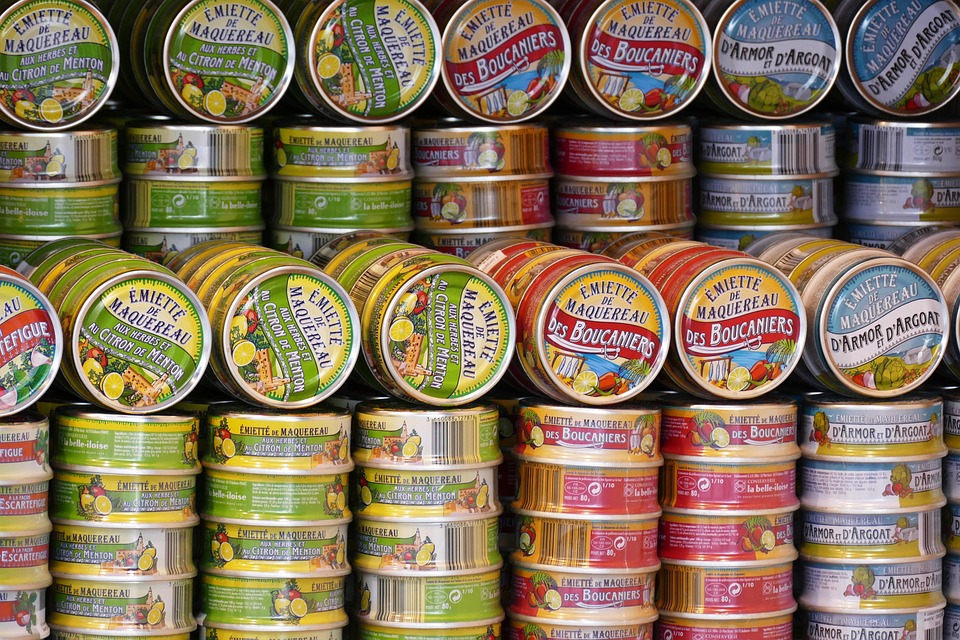

Canned Salmon for Keto Meal: Effortless Nutrition for Your Low-Carb Journey
Incorporating a ketogenic diet into a busy lifestyle often requires intelligent food choices. Finding ingredients that are both convenient and align with strict macronutrient goals can feel like a constant quest.
This is where canned salmon for keto meal preparation truly shines. It offers a powerful combination of nutrient density, affordability, and unmatched ease, making it a staple in any low-carb kitchen.
You don’t need extensive culinary skills or exotic ingredients to create satisfying keto meals with this pantry hero. It’s a foundational component for quick, balanced nourishment.
Why Canned Salmon Stands Out for a Ketogenic Diet
Canned salmon isn’t just a budget-friendly option; it’s a nutritional powerhouse perfectly suited for a ketogenic lifestyle. Its macronutrient profile aligns impeccably with the high-fat, moderate-protein, low-carb requirements.
Beyond its keto compatibility, canned salmon delivers a concentrated dose of essential nutrients. This includes specific fatty acids and vitamins that are often sought after in a well-formulated eating plan.
The convenience factor is also undeniable. It’s pre-cooked, shelf-stable, and ready to use straight from the can, removing significant barriers to preparing healthy, on-plan meals, even when time is short.
The Nutritional Core: What Canned Salmon Brings to Your Plate
Salmon is renowned for its rich content of omega-3 fatty acids, particularly EPA (eicosapentaenoic acid) and DHA (docosahexaenoic acid). These beneficial fats are integral to a balanced dietary approach and are often a focus in wellness discussions.
Beyond healthy fats, canned salmon provides a robust source of quality protein. This macronutrient is vital for feelings of fullness and supporting muscle mass, which are important considerations for anyone maintaining a low-carb diet.
It also delivers significant amounts of Vitamin D and selenium. Vitamin D supports a sense of overall well-being, while selenium is an important trace mineral with various roles in the body.
Nutrient Highlights
- Beneficial Fatty Acids: EPA and DHA (Omega-3s).
- Primary Macronutrient: High-quality protein.
- Key Vitamins & Minerals: Vitamin D, Selenium.
- Dietary Role: Supports a ketogenic metabolic state.
Preparation Focus
Always drain the liquid from the can, whether it’s water or oil, unless your recipe specifically calls for it. This helps manage the texture and prevents excessive moisture in your keto dishes.
Understanding the Ketogenic Diet Framework
The ketogenic diet operates on the principle of shifting the body’s primary fuel source from carbohydrates to fat. This metabolic state, known as ketosis, occurs when carbohydrate intake is significantly restricted, prompting the body to produce ketones from fat for energy.
Achieving and maintaining ketosis requires careful attention to macronutrient ratios, typically emphasizing a high intake of healthy fats, a moderate intake of protein, and a very low intake of carbohydrates.
Canned salmon naturally fits into this framework. Its high fat and protein content, combined with virtually zero carbohydrates, makes it an ideal ingredient for helping individuals maintain their ketogenic goals.
The Role of Healthy Fats in Ketosis
Dietary fats are the cornerstone of a ketogenic diet, providing the energy needed when carbohydrates are limited. The body utilizes these fats to produce ketones, which serve as an alternative fuel for the brain and other organs.
Including sources of healthy fats helps sustain feelings of satiety, which can be beneficial for managing food intake. This can contribute to a more comfortable and consistent adherence to the diet.
Salmon’s omega-3 profile adds a valuable dimension to the fat intake. These particular fats are often discussed in the context of supporting general wellness and are a welcome addition to diverse dietary approaches.
Keto Macro Alignment
- High Fat Content: Fuels ketone production.
- Moderate Protein: Supports muscle and satiety without excess.
- Zero Carbohydrates: Essential for maintaining ketosis.
- Satiety Factor: Helps manage hunger between meals.
Dietary Integration
Combine canned salmon with other healthy fats like avocado, olive oil, or nuts to further enhance its ketogenic alignment and diversify nutrient intake.
Selecting the Best Canned Salmon for Your Keto Meals
Not all canned salmon is created equal, and making an informed choice can enhance both the nutritional quality and the flavor of your keto dishes. Understanding the differences between varieties and processing methods helps in selecting the ideal product.
Key considerations include whether the salmon is wild-caught or farmed, what parts of the fish are included, and what liquid it is packed in. Each factor influences the final product’s characteristics.
Paying attention to these details ensures you’re getting the most beneficial and palatable option for your specific culinary needs and dietary preferences within the ketogenic framework.
Wild-Caught vs. Farmed Salmon
Wild-caught salmon, often varieties like Sockeye or Pink, generally comes from oceans and rivers. It tends to have a more pronounced flavor and a firmer texture compared to farmed salmon.
Farmed salmon is raised in controlled environments and may have a different fatty acid profile depending on its feed. Both types can fit a ketogenic diet, but many people prefer wild-caught for its distinct characteristics.
For those prioritizing specific omega-3 ratios and a more natural diet, wild-caught often aligns more closely with their preferences. Research from the USDA Agricultural Research Service indicates differences in omega-3 levels.
Bones, Skin, and Packing Liquid
Many varieties of canned salmon include edible bones and skin. These components are excellent natural sources of calcium and collagen, which can be beneficial for those looking to enhance their dietary mineral intake.
Salmon packed in water often has a milder flavor and less added fat, allowing for greater control over the fat content in your recipes. Salmon packed in its own oil or olive oil can offer a richer flavor and contribute to the fat macros directly.
Choosing boneless and skinless options provides a smoother texture for certain dishes. However, including the bones and skin can significantly boost the overall nutrient density, especially for minerals.
Salmon Selection Criteria
- Source: Wild-caught (Sockeye, Pink) for robust flavor and potentially varied nutrient profile.
- Included Parts: Bones and skin for natural calcium and collagen.
- Packing Medium: Water for controlled fat; oil for added richness and fats.
- Texture Preference: Boneless/skinless for smoother consistency.
Optimal Storage
Store unopened canned salmon in a cool, dry pantry. Once opened, transfer any unused portion to an airtight container and refrigerate, consuming within a few days for optimal freshness.
Comparative Overview of Canned Salmon Varieties
Understanding the nuances between different types of canned salmon can help tailor your choice to specific recipe needs and nutritional goals. Each variety offers a unique set of characteristics.
This table summarizes key differences to guide your selection, whether you prioritize flavor, texture, or specific micronutrient benefits. All varieties remain excellent for keto adherence.
Consider how these distinctions might impact your dishes. A firmer, bolder salmon might be perfect for patties, while a flakier, milder option could blend seamlessly into a salad.
| Salmon Type | Key Characteristics | Flavor Profile | Common Use in Keto Meals |
|---|---|---|---|
| Sockeye (Red) | Deep red color, firm texture, typically wild-caught. | Rich, bold, distinct “salmon” flavor. | Salads, patties, where salmon flavor is central. |
| Pink (Humpy) | Pale pink, softer texture, small flakes, abundant. | Mild, delicate flavor. | Spreads, dips, blended into casseroles, wraps. |
| Chum (Keta) | Medium pink, firm texture, larger flakes. | Mild, clean flavor. | Versatile for almost any recipe. |
| Coho (Silver) | Red-orange, medium texture, often higher fat. | Moderate, nuanced flavor. | Grilling, baking, when a less aggressive salmon flavor is desired. |
| King (Chinook) | Red-orange, rich, high fat content (less common canned). | Buttery, very rich flavor. | Premium choice for simple presentations. |
Easy Canned Salmon for Keto Meal Recipes You’ll Love
Now, let’s explore some incredibly simple yet satisfying ways to transform canned salmon into delicious, keto-compliant meals. These recipes highlight the versatility and convenience of this pantry staple.
Each suggestion is designed for quick preparation, minimizing time in the kitchen while maximizing flavor and nutritional value. They demonstrate how easily canned salmon integrates into diverse meal scenarios.
From quick lunches to hearty dinners, these ideas provide a foundation for creating your own personalized keto salmon dishes. They are built around simplicity and robust flavor.
1. Classic Keto Salmon Salad
A simple salmon salad is a timeless keto staple. It’s incredibly adaptable, allowing for personal touches with various low-carb ingredients. This recipe provides essential protein and healthy fats, creating a deeply satisfying meal.
The flaked salmon combines beautifully with creamy binders and crisp vegetables, offering a delightful texture contrast. It’s a perfect option for a quick lunch or a light, yet fulfilling dinner.
This salad can be prepared in minutes, making it an excellent choice for meal prep or impromptu meals. It’s a fundamental demonstration of how easily canned salmon fits into the keto framework.
Recipe Components
- Protein Source: Canned salmon (drained and flaked).
- Creamy Binder: Mayonnaise (avocado oil-based for optimal fats).
- Flavor Enhancers: Diced celery, red onion, fresh dill or parsley.
- Optional Additions: Avocado, capers, dijon mustard.
- Serving Suggestion: Lettuce wraps, celery sticks, cucumber slices, or directly from a bowl.
Mixing Instructions
In a medium bowl, combine the flaked salmon with mayonnaise, diced celery, red onion, and herbs. Stir gently until all ingredients are well incorporated, then season with salt and pepper to taste.
2. Savory Keto Salmon Patties
Salmon patties offer a comforting, substantial meal option that’s quick to prepare and highly customizable. They deliver a satisfying crunch on the outside with a tender, flavorful interior.
These patties are an excellent way to use canned salmon, binding it with other keto-friendly ingredients to create a cohesive and delicious meal. They can be pan-fried or baked for varying textures.
They serve well as a main course or as a snack. Their hearty nature makes them a satisfying addition to any ketogenic meal plan, and they reheat well for future enjoyment.
Recipe Components
- Main Ingredient: Canned salmon (drained and flaked, bones and skin optional).
- Binder: Egg, a small amount of almond flour or coconut flour.
- Aromatics: Finely diced onion or shallots, garlic powder.
- Seasoning: Lemon juice, fresh parsley, salt, black pepper.
- Cooking Fat: Olive oil, avocado oil, or butter for frying.
Assembly Method
Combine all ingredients in a bowl. Form into small patties. Pan-fry in a hot skillet with chosen fat until golden brown on both sides. Alternatively, bake on a lined sheet until cooked through and lightly browned.
3. Quick Keto Salmon Scramble
For a nutrient-dense breakfast or a speedy lunch, a keto salmon scramble provides a fantastic boost of protein and healthy fats. It’s a one-pan meal that comes together in minutes.
The rich flavor of salmon pairs wonderfully with fluffy eggs and any low-carb vegetables you have on hand. This dish is both satisfying and incredibly simple to adapt to your preferences.
It’s an excellent way to incorporate the benefits of canned salmon into the first meal of your day. This combination ensures a sustained sense of energy and fullness.
Recipe Components
- Base: Eggs (whisked).
- Protein Addition: Canned salmon (drained and gently flaked).
- Vegetables: Spinach, bell peppers (small amount), mushrooms, or asparagus.
- Flavor Boosters: Cream cheese or heavy cream, fresh chives, salt, pepper.
- Cooking Fat: Butter or olive oil.
Cooking Procedure
Heat butter or oil in a non-stick pan over medium heat. Sauté any vegetables until tender. Pour in whisked eggs, and as they begin to set, gently fold in the flaked salmon. Cook until eggs are done to your liking, then stir in cream cheese and chives.
4. Mediterranean Keto Salmon Bowl
This vibrant bowl combines the rich flavors of the Mediterranean with the convenience of canned salmon. It offers a refreshing and satisfying meal packed with healthy fats, protein, and low-carb vegetables.
The combination of fresh ingredients and flavorful dressing elevates canned salmon into a sophisticated, yet easy-to-prepare dish. It feels like a gourmet meal without the extensive effort.
Perfect for a substantial lunch or a light dinner, this bowl is a testament to the versatility of canned salmon. It brings together diverse textures and tastes into a harmonious keto experience.
Recipe Components
- Protein Core: Canned salmon (drained and flaked).
- Vegetable Base: Mixed greens, cucumber, cherry tomatoes (limited), olives, artichoke hearts.
- Healthy Fats: Avocado slices, extra virgin olive oil.
- Flavor Enhancers: Feta cheese (optional, in moderation), fresh lemon juice, fresh oregano.
- Dressing: Olive oil, lemon juice, a touch of red wine vinegar, salt, pepper.
Assembly Guidelines
Arrange mixed greens at the bottom of a bowl. Top with flaked salmon, cucumber, olives, and artichoke hearts. Drizzle with a dressing made from olive oil, lemon juice, and red wine vinegar. Add avocado slices and a sprinkle of fresh oregano before serving.
Frequently Asked Questions
Is canned salmon as nutritious as fresh salmon for keto?
Yes, canned salmon retains much of the nutritional value of fresh salmon, including its beneficial omega-3 fatty acids, protein, and vitamins. The canning process preserves these nutrients effectively, making it an excellent and convenient keto option.
Do I need to worry about mercury in canned salmon?
Most canned salmon, particularly varieties like pink and sockeye, are from smaller, younger fish. These generally have lower mercury levels compared to larger, longer-lived fish. For most people, consuming canned salmon a few times a week is considered part of a balanced diet.
Can I eat the bones and skin in canned salmon?
Absolutely. The softened bones and skin in canned salmon are completely edible and provide additional calcium, collagen, and other minerals. Many find them unnoticeable when flaked, and they contribute to the overall nutrient density of the meal.
What if I don’t like the taste of canned salmon?
The flavor of canned salmon can be enhanced significantly with various seasonings and complementary ingredients. Lemon juice, fresh herbs like dill or parsley, onion, and a good quality mayonnaise or avocado can transform its taste. Experiment with different recipes to find what you enjoy.
The Bottom Line
Canned salmon is an undeniable asset for anyone following a ketogenic diet. It offers a powerful combination of high-quality protein, essential fats, and vital micronutrients, all within a convenient, shelf-stable package.
The ease of preparation and its adaptability to a wide array of flavors make it an indispensable ingredient for quick, satisfying, and health-conscious meals. It truly embodies efficiency and nutritional integrity.
Take advantage of this versatile pantry staple to simplify your keto meal planning. Incorporate it into your diet for sustained energy and delicious, low-carb nourishment. Build a habit of including this accessible superfood.
Get Your FREE Natural Health Guide!
Subscribe now and receive our exclusive ebook packed with natural health tips, practical wellness advice, and easy lifestyle changes, delivered straight to your inbox.






