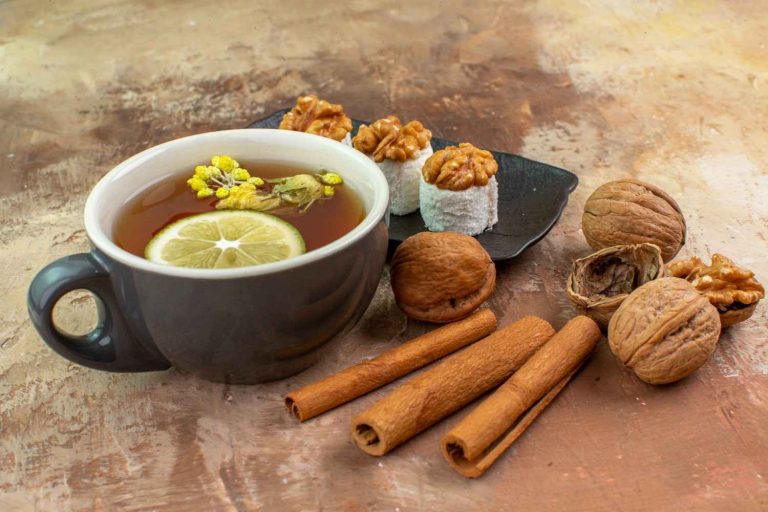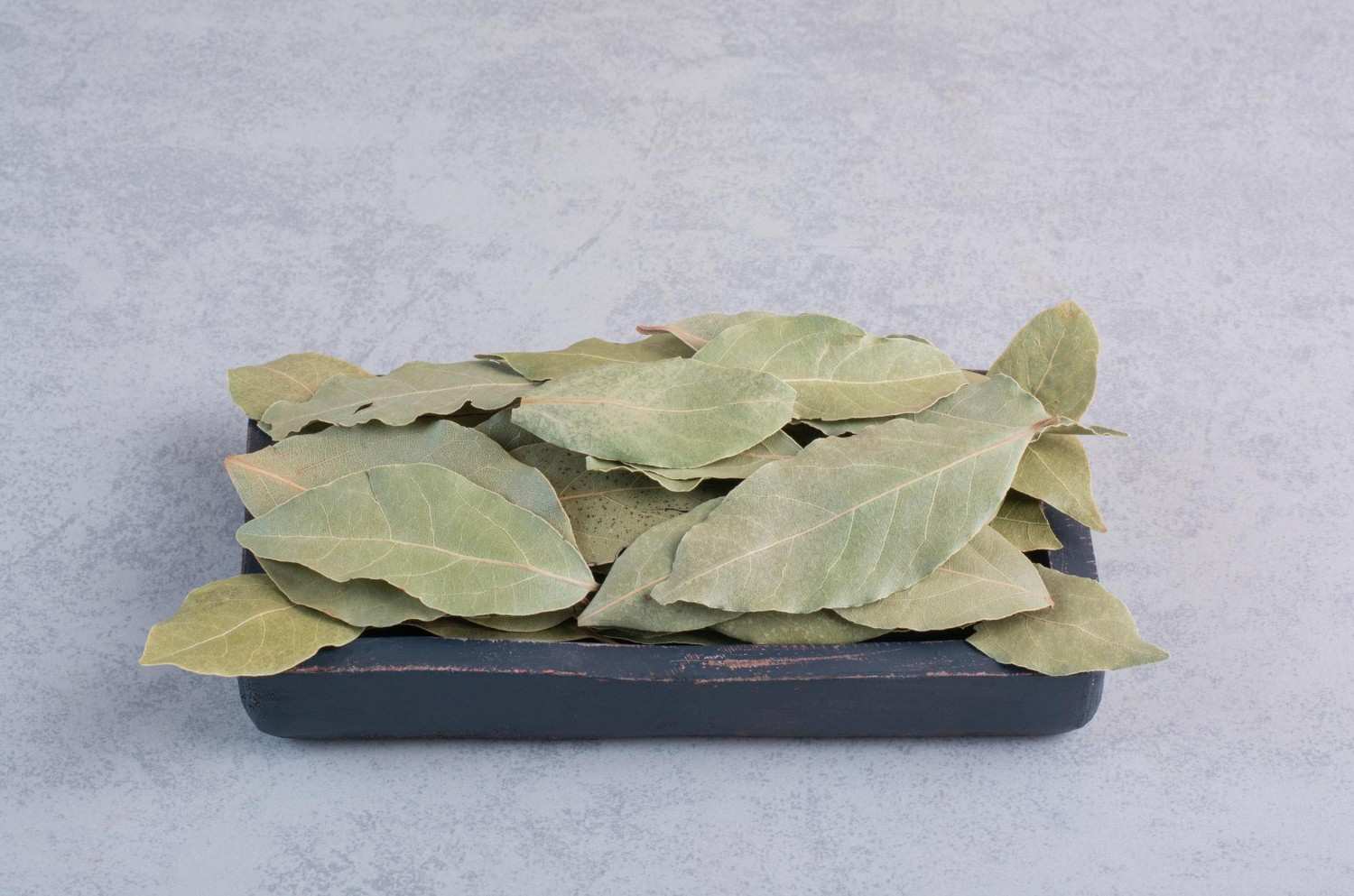

Buchu leaf tea has gained attention for its potential benefits, particularly in promoting bladder health. Individuals often seek natural remedies to address urinary discomfort and maintain overall wellness. The complexities of bladder health can lead to frustration, prompting a search for effective solutions. Buchu, a traditional herb from South Africa, stands out as a promising ally in this regard. Its unique properties may offer relief from various urinary issues while enhancing overall health.

The journey to better bladder health typically begins with understanding the natural options available. Many people are unaware of the powerful benefits that herbal remedies can provide. Buchu leaf tea, rich in essential oils and antioxidants, has been used for centuries for its diuretic and anti-inflammatory properties. This guide explores how to incorporate buchu leaf tea into daily routines for optimal bladder health.
By leveraging the natural compounds found in buchu, individuals can support their urinary function and overall well-being. The tea’s soothing effects can alleviate discomfort while promoting a healthy urinary tract. This guide delves into practical applications, scientific mechanisms, and lifestyle considerations, ensuring a comprehensive understanding of how buchu leaf tea can serve as a natural ally for bladder health.
As we explore the multifaceted benefits of this herbal tea, it becomes clear that embracing natural solutions can lead to significant improvements in health. With a focus on practical application, common mistakes, and scientific backing, this guide aims to empower readers to make informed choices for their bladder health.
Contents
How to Use Buchu Leaf Tea for Real Results
- Best Form: Dried leaves for tea.
- Best Time: Morning or afternoon.
- Expected Result: Enhanced bladder comfort and function.
For Daily Protection
The preparation for daily protection starts with high-quality dried buchu leaves, preferably sourced from reputable suppliers. You will need one teaspoon of dried leaves and a cup of boiling water to create a soothing brew. Using filtered water can enhance the flavor and benefits of the tea.
Begin by placing the dried leaves in a teapot or infuser. Pour the boiling water over the leaves and let it steep for about 10 minutes. This allows the essential oils to infuse into the water. After steeping, strain the leaves and enjoy the tea warm.
Upon drinking, many individuals report a gentle warmth spreading through their body, promoting a sense of relaxation. The effects can be felt within an hour, often leading to a more comfortable bladder experience throughout the day.
Pro Tip: Steeping longer can intensify the flavor and benefits, but avoid over-steeping to prevent bitterness.
Targeting Acute Pain
For acute bladder discomfort, using buchu leaf tea can provide quick relief. Gather two teaspoons of dried buchu leaves and two cups of water. This stronger brew can help address sudden symptoms effectively.
Begin by boiling the water in a small saucepan. Once boiling, add the dried leaves and let them simmer for about 15 minutes. This longer cooking time extracts more of the beneficial compounds. After simmering, strain the mixture into a cup.
Drinking this concentrated brew often results in immediate soothing sensations, with many experiencing a cooling effect that alleviates discomfort. The relief can last for several hours, making it an effective remedy during acute episodes.
Pro Tip: Adding honey or lemon can enhance taste and provide additional soothing properties.
The Nighttime Routine
Incorporating buchu leaf tea into your nighttime routine can promote relaxation and bladder comfort before sleep. Use one teaspoon of dried leaves and one cup of water to create a calming infusion.
Start by boiling the water. Once it reaches a rolling boil, pour it over the leaves in a mug. Allow it to steep for about 10 minutes. This pre-bedtime ritual not only prepares the body for rest but also promotes bladder health overnight.
Many individuals report a calming effect that aids in falling asleep more easily. The soothing properties of the tea can help reduce nighttime awakenings due to bladder discomfort, leading to a more restful night.
Pro Tip: Enjoy the tea about an hour before bedtime for optimal relaxation.
Common Mistakes to Avoid When Using Buchu
Using Low Quality Herbs
Selecting low-quality buchu leaves can significantly diminish the effectiveness of the tea. Poor-quality herbs may lack essential oils and beneficial compounds, leading to unsatisfactory results. Always choose reputable sources that provide high-quality, organic buchu leaves.
When purchasing, look for certification labels or third-party testing information. This ensures that the product is free from contaminants and retains its natural potency. Investing in high-quality herbs leads to better health outcomes and a more enjoyable experience.
Neglecting Proper Steeping Time
Improper steeping time can lead to ineffective brews. Many individuals either rush the process or steep for too long, resulting in a bitter taste. It is crucial to follow recommended steeping times to maximize the benefits of the tea.
For optimal results, aim for 10 to 15 minutes of steeping. This allows the essential oils and beneficial compounds to infuse properly. Understanding the balance between time and flavor can enhance the overall experience and effectiveness of the tea.
Ignoring Personal Reactions
Every individual may react differently to herbal remedies. Some may experience mild discomfort or allergic reactions when consuming buchu. It is essential to pay attention to how your body responds after drinking the tea.
If any adverse reactions occur, such as nausea or skin irritation, discontinue use and consult a healthcare professional. Listening to your body ensures safe and effective use of herbal remedies, allowing for adjustments based on individual tolerance.
The Science Behind Buchu Leaf Tea
Buchu leaves contain compounds known for their anti-inflammatory and diuretic properties. The primary mechanism involves the essential oils present in the leaves, particularly the compounds called diosphenol and buchu oil. These oils interact with the urinary system, promoting diuresis and alleviating inflammation.
One of the key compounds in buchu is diosphenol, which is believed to contribute to its therapeutic effects. Diosphenol has been shown to support urinary tract health by reducing inflammation and promoting healthy urinary function. This compound is a focal point for researchers studying the benefits of buchu leaf tea.
Clinical studies have examined the effects of buchu on urinary health. Research indicates that the use of buchu can be beneficial in treating urinary tract infections and other related conditions. For more detailed insights and studies, refer to this PubMed search that compiles various research findings.
Choosing the Right Buchu Leaf Product
– **Potency:** Look for products that specify the concentration of active compounds. Higher potency often translates to greater effectiveness in promoting bladder health.
-
Purity: Ensure the product is free from additives and fillers. Pure products are more likely to provide the desired health benefits without unnecessary ingredients.
-
Form: Consider the form that suits your lifestyle best, whether it is loose leaf, tea bags, or extracts. Each form has its benefits, and choosing one that fits your routine can enhance consistency in usage.
The Benefits vs Potential Downsides
| The Benefits | Potential Downsides |
|---|---|
| Supports bladder health through diuretic properties. | Possible allergic reactions in sensitive individuals. |
| Reduces inflammation associated with urinary discomfort. | May interact with certain medications. |
| Promotes overall urinary tract health. | Quality varies significantly between products. |
Habits to Enhance Bladder Health
Incorporating hydration into daily life is essential for maintaining bladder health. Drinking adequate water helps flush out toxins and supports urinary function. Aim for at least eight glasses of water daily for optimal hydration.
Regular physical activity also plays a crucial role. Exercise promotes healthy circulation and can alleviate symptoms associated with bladder discomfort. Aim for at least 30 minutes of moderate exercise most days of the week to support overall health.
Who Should Avoid This?
– Pregnant or breastfeeding women.
– Individuals with known allergies to buchu or related plants.
– Those taking medications that may interact with diuretics.
– People with kidney conditions should consult a healthcare professional before use.
Common Questions
What does buchu leaf tea taste like?
Buchu leaf tea has a distinct, aromatic flavor with hints of mint and eucalyptus. The taste can vary based on the quality and preparation method.
How often should I drink buchu leaf tea?
For general bladder health, consuming one to two cups daily is recommended. Adjust based on individual tolerance and health needs.
Can I use buchu leaf tea for other health issues?
Yes, buchu leaf tea may also help with digestive health and alleviate symptoms of inflammation in other areas of the body.
Is it safe to drink buchu leaf tea long-term?
While many people use it safely, long-term use should be discussed with a healthcare provider, especially for individuals with underlying health conditions.
The Bottom Line
Buchu leaf tea offers a natural approach to supporting bladder health.
- The Truth: The effectiveness can vary based on individual responses and quality of the tea.
- The Strategy: Incorporate it into your daily routine for consistent benefits.
- The Next Step: Consider adding hydration habits to maximize the effects.
Get Your FREE Natural Health Guide!
Subscribe now and receive our exclusive ebook packed with natural health tips, practical wellness advice, and easy lifestyle changes, delivered straight to your inbox.