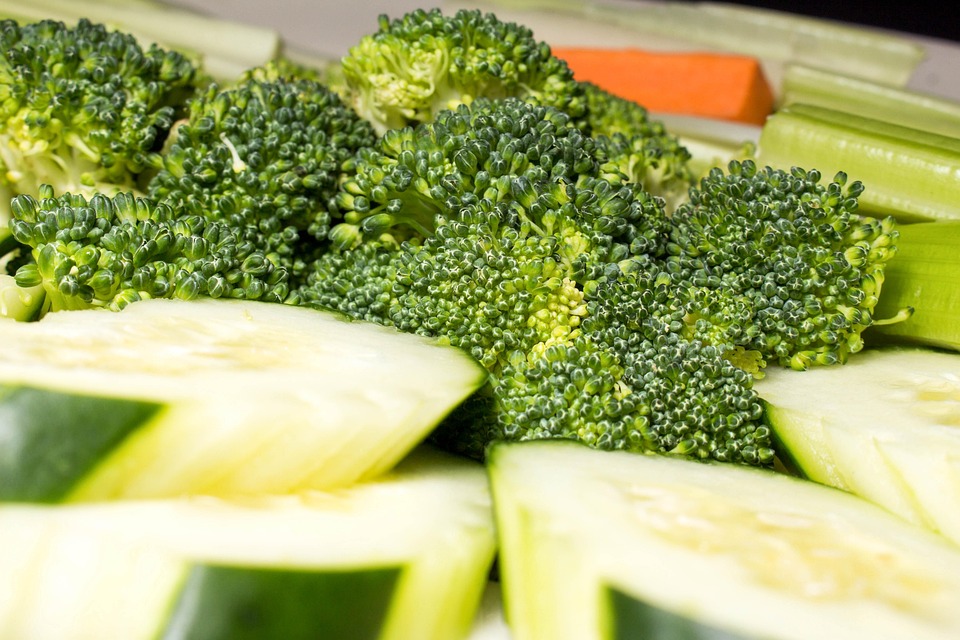

Broccoli is often heralded as a superfood, but its benefits extend far beyond general nutrition. One of the more intriguing aspects of broccoli is its potential role in joint health. Joint pain can significantly hinder daily activities and overall quality of life. Many individuals seek solutions to manage inflammation and support joint function. The natural compounds found in broccoli, particularly sulforaphane, show promise in addressing these concerns.
Sulforaphane is a powerful antioxidant derived from cruciferous vegetables like broccoli. Studies suggest that this compound may help reduce inflammation and oxidative stress, both of which are pivotal in joint health. This connection between diet and joint function is becoming increasingly recognized in wellness circles. Emphasizing foods rich in sulforaphane, like broccoli, could be a proactive approach to maintaining joint integrity and reducing discomfort.
As the body ages or undergoes physical stress, the risk of joint-related issues escalates. Conditions like arthritis or general wear and tear can lead to chronic pain and inflammation. Incorporating broccoli into your diet may serve as a preventive measure. Understanding the mechanisms behind its benefits can empower individuals to make informed dietary choices that positively impact their joint health.
Exploring the practical applications of broccoli and sulforaphane reveals actionable steps anyone can take. This guide aims to delve into how to effectively incorporate these elements into daily routines while navigating potential pitfalls and understanding the underlying science.
Contents
How to Use Broccoli for Real Results
- Best Form: Fresh or lightly steamed broccoli
- Best Time: During meals for optimal absorption
- Expected Result: Reduced inflammation and improved joint mobility
For Daily Protection
The Prep: Fresh broccoli florets are ideal. You will need a cup of broccoli, olive oil, garlic, and lemon juice. Wash the broccoli thoroughly to remove any pesticides or dirt.
The Action: Steam the broccoli lightly for five minutes until tender but still bright green. In a separate pan, heat a tablespoon of olive oil. Add minced garlic and sauté until fragrant. Combine the steamed broccoli with the garlic and drizzle with lemon juice for added flavor.
The Feeling: Expect a vibrant taste with a hint of garlic. The light steaming retains nutrients, making you feel energized. This meal can set a positive tone for your day.
Pro Tip: Pair this dish with lean protein for a balanced meal that enhances nutrient absorption.
Targeting Acute Pain
The Prep: Gather fresh broccoli, low-sodium vegetable broth, turmeric, and ginger. These ingredients enhance the anti-inflammatory properties of broccoli.
The Action: Chop two cups of broccoli and add it to a pot with two cups of vegetable broth. Add one teaspoon of turmeric and grated ginger. Simmer for about 15 minutes. Blend until smooth for a comforting soup.
The Feeling: The warmth of the soup soothes discomfort, while the spices provide a gentle heat. The blend of flavors can elevate your mood and provide relief.
Pro Tip: Consume this soup in the evening to promote relaxation and support overnight recovery.
The Nighttime Routine
The Prep: Prepare broccoli, walnuts, and a sprinkle of sea salt. Walnuts provide omega-3 fatty acids, which complement broccoli’s benefits.
The Action: Roast a cup of broccoli florets in the oven at 400°F for about 20 minutes. Toss with chopped walnuts and a pinch of sea salt before serving.
The Feeling: The crunch of roasted broccoli and walnuts creates a satisfying texture. This dish can help you unwind after a long day, promoting better sleep.
Pro Tip: Enjoy this dish as a side during dinner to maximize its benefits before bedtime.
Common Mistakes to Avoid
Overcooking Vegetables
Overcooking broccoli can diminish its health benefits significantly. High heat and prolonged cooking times can lead to the loss of sulforaphane and other essential nutrients. To preserve these compounds, opt for steaming or quick sautéing.
To ensure you retain maximum nutrients, keep cooking times short. Aim for a vibrant green color and a tender yet crisp texture. This approach enhances both flavor and health benefits.
Ignoring Variety in Preparation
Relying solely on one method of preparing broccoli can lead to dietary fatigue. Eating the same dish repeatedly may cause you to miss out on the diverse benefits of this vegetable. Explore different cooking methods like roasting, steaming, or adding it to smoothies.
Mixing up your broccoli intake not only keeps meals exciting but also ensures you receive a broad spectrum of nutrients. Experiment with various spices and pairings to find what resonates with your palate.
Neglecting Freshness
Using wilted or old broccoli can compromise both taste and nutritional value. Fresh broccoli is essential to ensure you are consuming enough sulforaphane. Always opt for organic when possible to avoid pesticides.
To maintain freshness, store broccoli in the refrigerator and consume it within a few days of purchase. This practice guarantees that you receive the maximum benefit from this remarkable vegetable.
The Mechanisms Behind Joint Health
The biological mechanisms by which broccoli supports joint health are primarily linked to its anti-inflammatory properties. Chronic inflammation is a significant contributor to joint pain and degradation. Sulforaphane acts by inhibiting certain enzymes involved in inflammation, particularly those associated with arthritic conditions.
The key compound, sulforaphane, is derived from glucoraphanin, which is activated when broccoli is chopped or chewed. This bioactive compound has been shown to block the production of pro-inflammatory cytokines. This action helps to mitigate the inflammatory response that often leads to joint pain and stiffness.
Clinical evidence supports the benefits of sulforaphane in joint health. Research indicates that individuals consuming cruciferous vegetables exhibit lower rates of joint-related issues. For more detailed findings, refer to this PubMed search on sulforaphane.
Choosing the Right Product
-
Potency: Look for broccoli supplements that specify the concentration of sulforaphane. Higher potency often correlates with more significant health benefits.
-
Purity: Ensure that the product is free from fillers and artificial additives. Pure supplements offer a more concentrated source of beneficial compounds.
-
Form: Choose between raw, powdered, or capsule forms based on your lifestyle. Each form has its advantages and can be incorporated easily into daily routines.
Benefits vs Risks
| The Benefits | Potential Downsides |
|---|---|
| Rich in antioxidants that combat oxidative stress. | May cause digestive discomfort in some individuals. |
| Supports healthy joint function and reduces inflammation. | Excessive consumption can lead to nutrient imbalances. |
| Easy to incorporate into various meals. | Not suitable for individuals with cruciferous vegetable allergies. |
Habits that Complement Joint Health
Engaging in regular physical activity is crucial for joint health. Low-impact exercises such as swimming or cycling can enhance mobility without placing excessive strain on the joints. Incorporating a mix of stretching and strength training can also improve joint stability.
Maintaining a balanced diet rich in anti-inflammatory foods further supports joint function. Foods such as fatty fish, nuts, and whole grains complement the benefits of broccoli. This holistic approach can help mitigate joint pain and enhance overall well-being.
Who Should Avoid This?
- Individuals with allergies to cruciferous vegetables.
- Those on blood-thinning medications should consult a healthcare provider.
- Pregnant women should limit intake of high-sulforaphane foods without medical advice.
Common Questions
How much broccoli should I eat for joint health?
Aim for at least two to three servings of broccoli per week to reap its benefits.
Can I get sulforaphane from supplements?
Yes, but whole food sources like fresh broccoli are often more beneficial due to their complex nutrient profile.
Is cooking broccoli harmful to its nutrients?
Overcooking can diminish its health benefits, so opt for light steaming or raw consumption.
Are there any side effects from eating broccoli?
Some individuals may experience digestive discomfort if they consume large quantities.
The Bottom Line
Incorporating broccoli into your diet can significantly benefit joint health due to its rich content of sulforaphane and other antioxidants.
- The Truth: While beneficial, broccoli should not be viewed as a sole solution for joint issues.
- The Strategy: Regular consumption during meals maximizes its health benefits.
- The Next Step: Consider integrating a variety of anti-inflammatory foods into your diet.
Get Your FREE Natural Health Guide!
Subscribe now and receive our exclusive ebook packed with natural health tips, practical wellness advice, and easy lifestyle changes, delivered straight to your inbox.