
Exploring Basal Body Temp for Libido Insights
Your body operates on intricate, subtle signals. One of the most telling, often overlooked, is your basal body temperature, or BBT. This daily measurement can unveil patterns within your hormonal landscape, offering unique perspectives on overall wellness and, for many, libido.
Understanding these thermal shifts isn’t about diagnosis or treatment. It’s about gaining a deeper appreciation for your body’s daily rhythms. This knowledge can empower you to make informed lifestyle choices.
Observing basal body temp for libido can simply provide another piece of the puzzle. It offers a window into the nuanced interplay of hormones that can influence your sense of vitality and desire.
The Foundation: What Basal Body Temperature Reveals
Basal body temperature represents your body’s lowest resting temperature. You take this measurement first thing in the morning, before any activity, eating, or even getting out of bed. The subtle fluctuations observed over a cycle reflect significant hormonal shifts.
For individuals with ovulatory cycles, BBT serves as a key indicator of ovulation. A sustained rise in temperature, typically by 0.4 to 1.0 degrees Fahrenheit, often signals that ovulation has occurred. This shift is primarily driven by progesterone.
Progesterone, a hormone vital for various physiological processes, has a thermogenic effect. Its presence after ovulation gently elevates body temperature. Tracking this pattern over time helps chart a personal fertility rhythm and, by extension, provides clues about broader hormonal balance.
The follicular phase, which precedes ovulation, is generally marked by lower, more consistent BBT readings. Estrogen dominates this phase, influencing energy levels and a sense of wellbeing. Understanding these phases is foundational to connecting BBT with libido.
- Core Concept: Lowest resting body temperature.
- Primary Driver of Rise: Progesterone.
- Key Insight: Identifies post-ovulatory phase.
Measurement Method
Consistency is paramount when tracking BBT. Use a specialized basal thermometer, which offers higher precision than a standard fever thermometer. Take your temperature at the same time each morning, ideally after at least three hours of uninterrupted sleep.
Hormonal Interplay: Connecting BBT, Estrogen, and Libido
The cyclical nature of hormones profoundly influences various aspects of wellness, including libido. Estrogen and progesterone, the primary female reproductive hormones, fluctuate predictably throughout an ovulatory cycle. These shifts are often mirrored in BBT patterns.
Estrogen levels generally climb during the follicular phase, reaching their peak just before ovulation. This elevation is frequently associated with increased energy, enhanced mood, and a heightened sense of connection or desire for some individuals. BBT remains lower during this phase.
After ovulation, progesterone becomes the dominant hormone during the luteal phase. This hormone prepares the body for potential pregnancy and exerts a calming influence. The sustained rise in BBT indicates this progesterone surge.
While progesterone is vital, its higher levels are not typically linked to a surge in desire in the same way estrogen might be. Recognizing these phases through BBT tracking allows individuals to observe potential correlations between their hormonal state and their personal libido patterns. It’s a way to observe the body’s internal timing.
- Estrogen’s Role: Dominant in follicular phase, often associated with vitality.
- Progesterone’s Role: Dominant in luteal phase, thermogenic effect, prepares the body.
- BBT Insight: Maps these hormonal phases.
Observing Individual Patterns
To gain meaningful insights, consistently track BBT alongside other lifestyle factors. Note any days where you feel particularly vibrant or less so. Over several cycles, distinct patterns might emerge that you can discuss with a healthcare professional.
Beyond the Cycle: Other Factors Influencing BBT and Libido
While hormonal cycles are a primary driver of BBT shifts, various other factors can impact both your daily temperature readings and your libido. A holistic view considers these broader influences, as they often intersect with hormonal regulation. Ignoring them can create misleading BBT charts.
Sleep quality, for instance, has a direct effect. Irregular sleep schedules, insufficient rest, or disturbed sleep can disrupt your body’s natural temperature regulation. This can lead to erratic BBT readings, making interpretation challenging. Poor sleep is also widely known to impact energy levels and overall disposition, which can in turn affect libido.
Stress is another significant player. Chronic stress elevates cortisol, a hormone that can interfere with the delicate balance of reproductive hormones. This disruption might manifest as irregular BBT patterns or shifts in cycle length. Managing stress is often a recommended approach for supporting general wellbeing and hormonal harmony.
Even minor illnesses, such as a common cold, can cause a temporary elevation in BBT. This temporary spike is not related to ovulation and can obscure the true cycle pattern. It’s important to note any illness on your BBT chart for accurate interpretation. Similarly, alcohol consumption can impact core body temperature, leading to transient fluctuations.
| Factor | Potential BBT Impact | Potential Libido Impact |
|---|---|---|
| Sleep Quality | Erratic readings, no clear pattern. | Reduced energy, decreased desire. |
| Stress Levels | Can disrupt cyclical patterns. | May lower desire due to cortisol. |
| Illness / Alcohol | Temporary temperature spikes. | Variable, often reduced desire. |
| Dietary Choices | Indirect through overall health. | Supports or hinders vitality. |
Holistic Data Integration
To maximize the utility of your BBT tracking, integrate notes about your sleep, stress, illness, and any significant dietary changes. This comprehensive approach provides a more complete picture of your body’s daily state, enhancing the insights gained from temperature patterns.
Dietary Pillars for Hormonal Balance and Vitality
Nutrition plays a foundational role in supporting overall health, including hormonal processes that influence libido. While no single food acts as a magic bullet, a diverse, nutrient-rich diet offers the building blocks your body needs to function optimally. People often find that focusing on whole, unprocessed foods can support a sense of vitality.
Certain nutrients are discussed for their general roles in endocrine function. Healthy fats, found in foods like avocados, nuts, seeds, and olive oil, are precursors to various hormones. Ensuring sufficient intake of these fats is a common recommendation for general hormonal support. They provide concentrated energy and essential fatty acids.
Vitamins and minerals, particularly B vitamins, zinc, and magnesium, also contribute to numerous biochemical pathways. These pathways include those involved in energy production and nerve function. Green leafy vegetables, lean proteins, and whole grains are rich sources of these micronutrients.
Antioxidant-rich foods, such as berries, colorful vegetables, and spices, can help mitigate oxidative stress within the body. Maintaining cellular health is an aspect of general wellbeing that may indirectly support hormonal harmony. A varied diet contributes to a robust internal environment.
- Key Nutrient Category: Healthy fats.
- Benefit Focus: Hormonal building blocks, energy.
- Food Sources: Avocados, nuts, seeds, olive oil.
Strategic Inclusion of Whole Foods
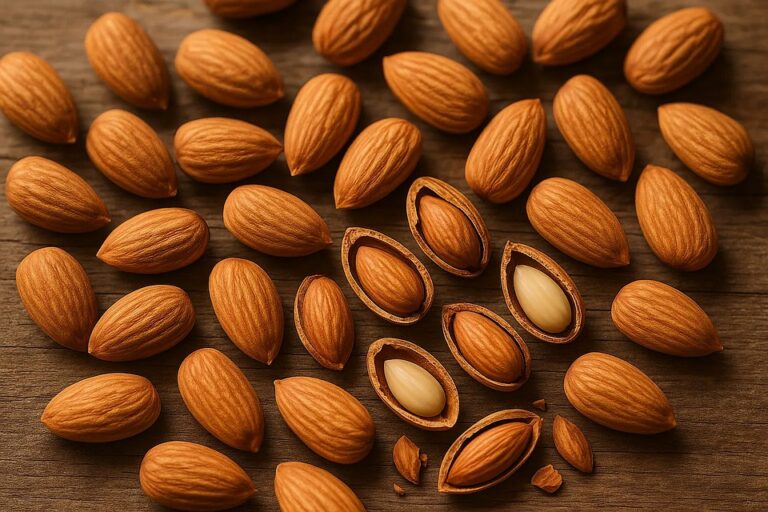
Consider incorporating diverse sources of healthy fats into your daily meals. For instance, a handful of almonds or a tablespoon of chia seeds can be a simple addition to breakfast or snacks.
Stress Management: A Cornerstone of Wellness
In our fast-paced world, managing stress is not just a luxury, it’s a necessity for holistic wellness. Chronic stress can exert widespread effects on the body, potentially impacting hormonal balance and overall vitality. Addressing stress is a crucial step for many people seeking to support their general wellbeing.
When the body perceives stress, it releases cortisol. While essential in acute situations, prolonged elevation of cortisol can influence other endocrine pathways. This can create a ripple effect that may be felt in areas like energy levels, sleep quality, and even one’s general disposition.
Implementing consistent stress-reducing practices can help foster a more balanced internal environment. Simple techniques, when practiced regularly, can make a difference. These practices aim to activate the body’s relaxation response.
Techniques such as deep breathing exercises, mindfulness meditation, and spending time in nature are often discussed for their calming effects. They offer a way to gently shift the body out of a state of heightened alert. Integrating these into daily life supports mental and physical harmony.
- Key Practice: Mindfulness meditation.
- General Benefit: Promotes relaxation, reduces tension.
- Approach: Regular, short sessions.
Mindful Integration Practices
Set aside a few minutes each day for mindful breathing. Even five to ten minutes of focused, deep breaths can help reset your nervous system and support a sense of calm.
Movement and Activity for Energy and Balance
Regular physical activity is a fundamental component of a healthy lifestyle. It supports cardiovascular health, helps maintain a comfortable weight, and contributes to mental clarity. People often find that consistent movement can support a sense of overall energy and vitality, which can in turn contribute to feelings of wellbeing.
Movement doesn’t need to be strenuous or involve intense gym sessions. Moderate activities, such as brisk walking, cycling, or yoga, can offer significant benefits. The goal is to move your body consistently, making it a regular part of your daily rhythm. This supports various physiological systems.
Physical activity can help regulate sleep patterns by promoting a deeper, more restorative rest. It also serves as an excellent outlet for stress, releasing tension and clearing the mind. These combined effects contribute to a more balanced internal state.
The feeling of physical capability and energy that comes with regular movement can also positively influence one’s self-perception and confidence. This broader sense of wellbeing is often linked to a healthy libido. Prioritizing movement supports a vibrant and active life. Research from the Centers for Disease Control shows the wide-ranging benefits.
- Activity Focus: Moderate, consistent movement.
- Associated Benefits: Improved sleep, stress reduction, energy.
- Example: Daily brisk walking.
Consistent Movement Approach
Aim for at least 30 minutes of moderate activity most days of the week. This could be a walk during a lunch break or a relaxing evening yoga session.
Prioritizing Restful Sleep for Hormonal Rhythm
Sleep is far more than just a period of inactivity; it’s a critical time for repair, rejuvenation, and hormonal regulation. Consistent, quality sleep is often discussed as a cornerstone for maintaining overall health and supporting the body’s natural rhythms. Disrupted sleep can impact a wide array of bodily functions.
During sleep, your body undergoes important restorative processes. Hormones are regulated, cells repair, and mental clarity is consolidated. Lack of sufficient sleep can lead to fatigue, reduced cognitive function, and can even influence hormonal balance over time.
Establishing a consistent sleep schedule is a key strategy for supporting these vital processes. Going to bed and waking up at roughly the same time each day, even on weekends, helps to regulate your circadian rhythm. This internal clock dictates many hormonal releases throughout the 24-hour cycle.
Creating a conducive sleep environment also plays a role. A cool, dark, and quiet room free from electronic distractions can significantly improve sleep quality. Prioritizing restful sleep is an essential aspect of supporting a vibrant and energetic life, which naturally impacts one’s sense of wellbeing and vitality.
- Core Principle: Consistent sleep schedule.
- Benefit Focus: Hormonal regulation, cellular repair.
- Key Environment: Cool, dark, quiet room.
Daily Sleep Protocol
Establish a relaxing bedtime routine, such as reading a book or taking a warm bath, to signal to your body that it’s time to wind down. Try to avoid screens an hour before bed.
Common Misconceptions and Tracking Pitfalls
While BBT tracking offers valuable insights, it’s important to approach it with a clear understanding of its limitations. Relying solely on BBT without considering the broader context can lead to misinterpretations. This tool provides one piece of data, not a complete picture.
One common pitfall is expecting BBT to predict ovulation with absolute certainty. While the temperature shift confirms that ovulation has likely occurred, it doesn’t give a predictive window. For predictive purposes, other methods are often used in conjunction. BBT is primarily retrospective.
Another misconception is that BBT is a diagnostic tool for hormonal imbalances. It can reveal patterns that suggest a need for further investigation, but it doesn’t diagnose conditions. Erratic charts may indicate broader physiological stress or other factors at play, prompting a discussion with a qualified healthcare professional.
External factors can also significantly skew readings. Illness, alcohol consumption, certain medications, and even waking up at different times can all affect your basal temperature. Failing to note these variables on your chart can make accurate interpretation difficult. Consistency in measurement and detailed daily notes are crucial for accuracy.
- Limitation: Retrospective, not predictive.
- Misconception: Diagnostic tool for imbalances.
- Tracking Error: Ignoring external influences.
Accurate Tracking Guidelines
Always record any unusual events like illness, travel, or late nights on your BBT chart. This context is vital for discerning true patterns from transient fluctuations.
Frequently Asked Questions
Can basal body temperature tell me about my overall hormone levels?
BBT primarily reflects the presence of progesterone after ovulation. It provides insight into the cyclical pattern of two key hormones, but it doesn’t give a comprehensive overview of all hormone levels in your body. It’s a snapshot, not a full hormone panel.
How long should I track BBT to see patterns?
Most people find that tracking for at least three to four consecutive cycles provides enough data to start recognizing individual patterns. Consistency over this period is key to understanding your unique rhythm. Short-term tracking often isn’t enough to establish reliable trends.
Is BBT tracking useful if I don’t have regular cycles?
Tracking BBT can still be valuable even with irregular cycles. It helps identify if and when ovulation occurs, which can be particularly insightful for those with unpredictable patterns. The data can then be shared with a healthcare professional for further discussion.
Does male basal body temperature relate to libido?
While BBT tracking is primarily associated with ovulatory cycles, male core body temperature does fluctuate throughout the day. However, it is not typically used as an indicator for hormonal patterns or libido in the same way it is for individuals with ovaries. General wellness factors like sleep and stress are universally important for vitality.
The Bottom Line
Understanding your basal body temperature offers a fascinating glimpse into your body’s subtle rhythms and hormonal shifts. While it’s not a diagnostic tool, BBT tracking can empower you with personal data, illuminating potential connections between your internal state and your sense of vitality or desire. By integrating BBT insights with a holistic approach to nutrition, stress management, movement, and sleep, you cultivate a deeper awareness of your overall wellbeing. People with underlying conditions often work with a qualified healthcare professional for personalized guidance. This information is educational and not a substitute for medical advice.
Start your BBT tracking journey with consistency and curiosity, observing how these daily insights integrate with your broader wellness practices.
Get Your FREE Natural Health Guide!
Subscribe now and receive our exclusive ebook packed with natural health tips, practical wellness advice, and easy lifestyle changes, delivered straight to your inbox.