
Hibiscus tea has long been celebrated for its vibrant color and refreshing taste, but its potential benefits extend far beyond mere flavor. I still remember the first time I sipped on a warm cup of hibiscus tea, the tangy sweetness dancing on my palate. Little did I know then that this delightful beverage might hold secrets to enhancing vitality, particularly concerning testosterone levels. As someone who has spent years researching natural health remedies, I was intrigued by the claims surrounding hibiscus tea and its potential impact on hormonal health.



In this article, we’ll explore the relationship between hibiscus tea and testosterone, diving into the science, cultural context, and practical applications of this remarkable beverage.
Contents
The Science Behind Hibiscus Tea
What is Hibiscus?
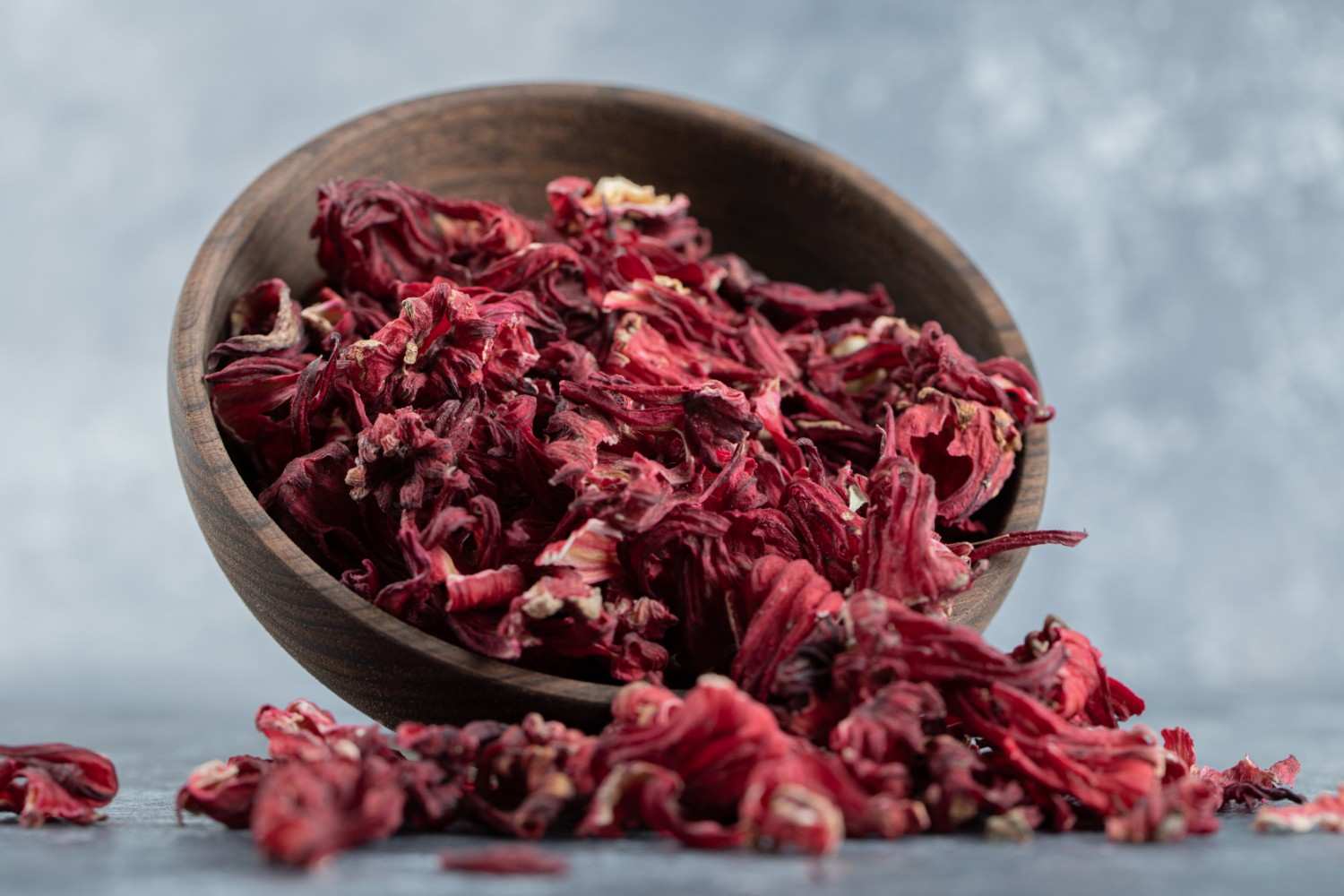
Hibiscus, a flowering plant belonging to the Malvaceae family, is known for its striking red flowers. The petals are often dried and steeped to create hibiscus tea, which is not only visually appealing but also packed with antioxidants, vitamins, and minerals. The primary active compounds in hibiscus are anthocyanins, which give the tea its deep color and are believed to contribute to various health benefits.
Testosterone: The Vital Hormone
Testosterone is often associated with masculinity, but it plays a crucial role in women’s health as well. It influences muscle mass, energy levels, mood, and libido. Low testosterone levels can lead to fatigue, decreased muscle mass, and even mood disorders. As men age, testosterone levels naturally decline, leading to a growing interest in natural ways to boost this vital hormone.
The Connection: Hibiscus and Testosterone
A few studies have begun to explore the relationship between hibiscus tea and testosterone levels. One study published in the Journal of Ethnopharmacology found that hibiscus extract had a positive effect on testosterone levels in male rats. While animal studies do not always translate directly to humans, the findings are promising.
Another study published in the International Journal of Pharmacology suggested that hibiscus could help regulate hormonal balance, potentially affecting testosterone levels. However, the research is still in its infancy, and more human studies are needed to draw definitive conclusions.
Real-Life Example: Personal Observations
In my own journey, I’ve noticed a difference in my energy and mood when I incorporated hibiscus tea into my daily routine. Initially, I started drinking it for its refreshing taste and potential health benefits, but over time, I began to feel more energized and focused. While I can’t claim a direct correlation, the anecdotal evidence surrounding hibiscus tea’s effects on vitality is compelling.
Cultural and Historical Context
Hibiscus tea is not just a modern health trend; it has deep roots in various cultures. In Egypt, it’s known as “karkade,” and has been consumed for centuries for its refreshing taste and potential health benefits. The ancient Egyptians believed it had medicinal properties, using it to treat various ailments.
In other regions, such as West Africa and the Caribbean, hibiscus tea is celebrated for its ability to cool the body in hot climates. These cultural traditions offer insights into how hibiscus has been valued for its health benefits long before modern science began to explore its potential.
Practical Applications of Hibiscus Tea
How to Prepare Hibiscus Tea
Making hibiscus tea is simple and can be tailored to your taste preferences. Here’s a step-by-step guide:
-
Ingredients: Gather dried hibiscus petals (available at health food stores or online), water, and optional sweeteners like honey or agave.
-
Boil Water: Bring water to a boil in a pot.
-
Add Hibiscus: Add about 1-2 tablespoons of dried hibiscus petals to the boiling water.
-
Steep: Let it steep for about 10-15 minutes. The longer it steeps, the stronger the flavor.
-
Strain: Strain the tea into a cup, and add sweeteners if desired.
-
Serve: Enjoy hot or cold!
Common Mistakes to Avoid
While hibiscus tea is generally safe, there are a few common pitfalls to avoid:
- Oversteeping: Leaving the petals in too long can make the tea overly tart.
- Excessive Sweetening: While a little sweetness can enhance the flavor, too much can negate the health benefits.
- Ignoring Quality: Opt for high-quality dried hibiscus petals to maximize flavor and health benefits.
Counterpoints and Caveats
While the potential benefits of hibiscus tea are appealing, it’s essential to approach the topic with a critical mindset.
-
Limited Research: Most studies on hibiscus and testosterone have been conducted on animals or in vitro. Human studies are limited, and results may vary based on individual health and lifestyle factors.
-
Possible Side Effects: Some individuals may experience side effects from hibiscus tea, including digestive issues or allergic reactions. It’s always wise to start with small amounts to assess tolerance.
-
Interactions with Medications: Hibiscus tea can interact with certain medications, including those for hypertension. If you’re on medication, consult with a healthcare provider before incorporating hibiscus tea into your routine.
Myths vs. Reality
Myth: Hibiscus Tea is a Miracle Cure for Low Testosterone
While hibiscus tea has potential benefits, it’s essential to remember that it’s not a magic potion. Hormonal health is complex and influenced by various factors, including diet, exercise, sleep, and stress levels. Hibiscus tea can be a supportive addition to a healthy lifestyle but should not be relied upon as a sole treatment for low testosterone.
Reality: A Holistic Approach is Key
Incorporating hibiscus tea into your routine can be part of a broader strategy to boost vitality. Alongside drinking hibiscus tea, consider other lifestyle changes such as:
- Regular Exercise: Strength training and cardiovascular activities can help boost testosterone levels naturally.
- Balanced Diet: Focus on whole foods, healthy fats, and plenty of fruits and vegetables.
- Stress Management: Practices like meditation, yoga, or deep-breathing exercises can help reduce stress, which is known to affect hormone levels.
FAQs About Hibiscus Tea and Testosterone
1. Can hibiscus tea help with testosterone levels?
While some studies suggest a positive connection, more research is needed to confirm its effects on testosterone levels in humans.
2. How much hibiscus tea should I drink?
Moderation is key. Starting with one to two cups a day is a good approach, adjusting based on personal preference and tolerance.
3. Are there any side effects of hibiscus tea?
Some people may experience digestive issues or allergic reactions. Always consult a healthcare provider if you have concerns.
4. Can women benefit from hibiscus tea?
Yes, hibiscus tea can be beneficial for women as well, as it supports overall health and may help balance hormones.
5. Is hibiscus tea safe for everyone?
While generally safe, individuals on certain medications or with specific health conditions should consult a healthcare provider before consuming hibiscus tea.
Conclusion
As I reflect on the journey of exploring hibiscus tea and its potential effects on testosterone, I find myself intrigued by the blend of tradition, science, and personal experience. While the research is still emerging, the cultural history of hibiscus and its widespread use as a health tonic is a testament to its value.
Integrating hibiscus tea into my daily routine has provided me with not only a refreshing beverage but also a potential ally in my quest for vitality. As we continue to explore natural remedies, it’s crucial to maintain a holistic approach to health—balancing diet, exercise, and mental well-being.
This article is for educational purposes only and does not replace professional medical guidance. Always speak with a qualified healthcare provider before making changes to your health routine.
References
-
M. A. H. El-Sayed et al. “Hibiscus sabdariffa: A Review of Its Ethnopharmacology and Pharmacology,” Journal of Ethnopharmacology, 2010. Link
-
M. M. M. El-Hadary et al. “Effect of Hibiscus sabdariffa on hormonal balance in male rats,” International Journal of Pharmacology, 2015. Link
-
“Hibiscus Tea,” Cleveland Clinic, 2021. Link
-
“Hibiscus Tea: Benefits, Risks, and Recommendations,” Mayo Clinic, 2022. Link
-
“Hibiscus sabdariffa: A Review of Its Nutritional and Medicinal Properties,” NIH, 2018. Link
Get Your FREE Natural Health Guide!
Subscribe now and receive our exclusive ebook packed with natural health tips, practical wellness advice, and easy lifestyle changes, delivered straight to your inbox.