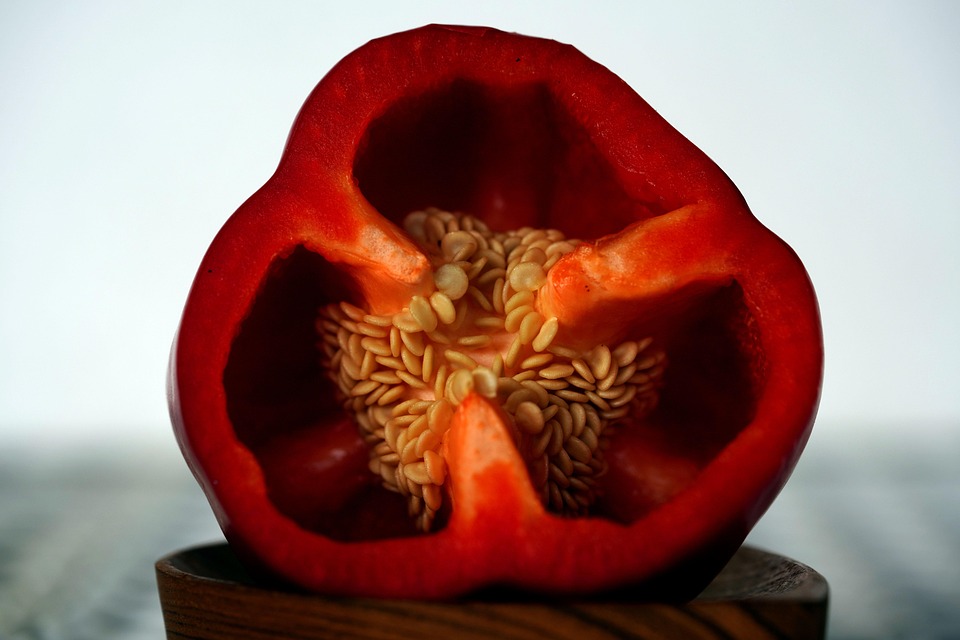

Red bell peppers are not just colorful additions to your meals; they hold significant potential for enhancing ligament health. Ligaments play a crucial role in maintaining joint stability and mobility. Over time, factors such as age, injury, and repetitive stress can lead to ligament degeneration. This condition can result in pain, reduced mobility, and an increased risk of further injuries. Understanding how specific nutrients can support ligament health is essential for anyone looking to maintain an active lifestyle.

One of the most effective ways to bolster ligament health is through dietary choices. The vibrant red bell pepper, rich in vitamins and antioxidants, offers a unique combination of nutrients that can support the body’s connective tissues. Incorporating these peppers into your daily diet can be a proactive approach to enhancing your overall joint health. This guide will delve into how red bell peppers can specifically target ligament support, providing actionable steps for integrating them into your routine.
The key lies in their nutrient profile. Red bell peppers are packed with vitamin C, which is essential for collagen synthesis. Collagen is a primary structural protein in ligaments, tendons, and cartilage. Additionally, the antioxidants found in red bell peppers can help combat oxidative stress, which contributes to tissue damage. This guide will explore practical applications, common mistakes to avoid, and the science behind why red bell peppers are beneficial for ligament health.
Throughout this guide, you will discover how to effectively use red bell peppers to improve ligament health. Whether you are an athlete looking to enhance performance or someone simply wanting to maintain healthy joints, understanding these nutritional benefits and practical applications is vital. Let’s explore how to make red bell peppers a staple in your diet for optimal ligament support.
Contents
How to Use Red Bell Peppers for Real Results
- Best Form: Fresh or roasted
- Best Time: During meals
- Expected Result: Enhanced ligament health
For Daily Protection
The prep for this daily routine involves selecting fresh red bell peppers. Aim for organic options if possible, as they are free from pesticides. You will need a sharp knife and a cutting board. Consider pairing them with other colorful vegetables for a nutrient-dense salad. A simple vinaigrette can enhance the flavor without overshadowing the peppers’ natural sweetness.
Begin by washing the peppers thoroughly under running water. Cut them into strips or cubes based on your preference. Add them to a salad or a grain bowl along with greens, nuts, and seeds. Toss everything together with your choice of dressing. This meal can be enjoyed at lunch or dinner for maximum nutrient absorption.
As you consume this dish, you may notice a satisfying crunch from the peppers. The freshness will leave a pleasant aftertaste, complementing the other ingredients. Over time, you may feel an increase in joint flexibility and a reduction in discomfort during physical activities.
Pro Tip: Try roasting red bell peppers for a sweeter flavor profile and enhanced nutrient absorption.
Targeting Acute Pain
For acute ligament pain, prepare a red bell pepper smoothie. Gather fresh red bell peppers, spinach, a banana, almond milk, and a scoop of protein powder. This combination not only tastes great but also offers a variety of nutrients that support recovery.
Start by washing and chopping the red bell pepper into smaller pieces. Combine it with the spinach and banana in a blender. Pour in the almond milk and add the protein powder. Blend until smooth, ensuring there are no chunks. Drink this smoothie as a post-workout recovery option to aid in healing.
Upon sipping the smoothie, the vibrant flavors will invigorate your senses. You might experience a refreshing coolness from the spinach and banana, which makes it an enjoyable treat. This nutrient-rich drink can help reduce inflammation, leading to quicker recovery times.
Pro Tip: Add a tablespoon of flaxseed for additional omega-3 fatty acids, which are beneficial for joint health.
The Nighttime Routine
For a nighttime routine, consider making a roasted red bell pepper soup. You will need red bell peppers, garlic, onion, vegetable broth, and seasonings like salt and pepper. This warm dish can be comforting and restorative after a long day.
Begin by roasting the red bell peppers and garlic in the oven until charred. In a pot, sauté chopped onions until translucent. Add the roasted peppers and garlic, then pour in the vegetable broth. Let it simmer for about 15 minutes. Blend the mixture until smooth and adjust seasonings to taste. Serve warm before bed.
As you enjoy this soup, the warmth will provide a soothing sensation. The flavors will meld together, creating a rich and satisfying meal. Over time, the nutrients can help repair and strengthen ligaments, enhancing overall joint health.
Pro Tip: Pair the soup with whole-grain bread for added fiber and nutrients.
Avoiding Common Errors for Optimal Benefits
Overcooking the Peppers
One common mistake is overcooking red bell peppers, which can lead to nutrient loss. Cooking them at high temperatures for extended periods can degrade vital vitamins, particularly vitamin C, which is essential for collagen production. To maximize their benefits, consider steaming or lightly sautéing them instead of prolonged cooking.
When you overcook peppers, you may notice a mushy texture that lacks the vibrant crunch. This not only affects the flavor but also reduces the overall health benefits. Aim for a cooking time that retains their bright color and firm texture to ensure you are getting the most nutrients possible.
Neglecting Variety in Preparation
Another error is preparing red bell peppers in the same way every time. Consuming them solely in salads or smoothies may limit the range of nutrients you receive. Exploring various cooking methods and recipes can enhance your nutrient intake and keep meals exciting. Try incorporating them into stir-fries, soups, or even as toppings on pizzas to diversify your diet.
By sticking to one preparation method, you might miss out on the full spectrum of flavors and health benefits. Experimenting with different recipes can lead to discovering new ways to enjoy red bell peppers while maximizing their positive effects on ligament health.
Ignoring Freshness
Using wilted or old red bell peppers is another common mistake. Fresh produce contains the highest levels of nutrients, while aging can lead to nutrient degradation. Always choose the freshest peppers available and store them properly to maintain their quality. Look for firm peppers with vibrant color and smooth skin.
If you use older peppers, you may notice a decline in flavor and texture. This can detract from the overall enjoyment of your meal and reduce the health benefits. Regularly check your produce and prioritize freshness to ensure you are getting the most from your red bell peppers.
The Science Behind Ligament Health
Understanding the biological mechanisms at play is essential for appreciating the role of red bell peppers in ligament health. Ligaments are made primarily of collagen, a protein that provides strength and flexibility. Vitamin C is a crucial cofactor in collagen synthesis, meaning that without adequate vitamin C, the body cannot effectively produce this essential protein.
The key compound in red bell peppers that supports collagen production is vitamin C. One medium-sized red bell pepper contains more than 150% of the daily recommended intake of this vitamin. This high concentration makes them one of the best dietary sources for enhancing collagen synthesis, crucial for maintaining healthy ligaments and connective tissues.
Clinical studies have shown the link between vitamin C intake and improved joint health. Research indicates that higher consumption of vitamin C-rich foods can lead to a reduced risk of joint pain and inflammation. For more details, refer to this study on the connection between vitamin C and ligament health here.
Choosing the Right Product
- Potency: Ensure that the red bell peppers you select are fresh and vibrant. This indicates high nutrient content.
- Purity: Opt for organic bell peppers when possible. They are less likely to contain harmful pesticides and chemicals.
- Form: Fresh peppers are ideal, but consider frozen options if fresh ones are not available. Frozen peppers retain much of their nutritional value.
Benefits vs Risks
| The Benefits | Potential Downsides |
|---|---|
| Rich in vitamin C, supporting collagen synthesis. | May cause digestive discomfort in some individuals. |
| High in antioxidants, reducing oxidative stress. | Allergic reactions are possible, though rare. |
| Versatile in meals, making them easy to incorporate. | Availability may vary based on season. |
Habits for Enhanced Benefits
Incorporating physical activity into your daily routine can significantly enhance ligament health. Regular exercise strengthens the muscles that support ligaments, improving stability and reducing injury risk. Aim for a mix of strength training and flexibility exercises to promote overall joint health.
Hydration is another essential habit. Adequate water intake supports overall bodily functions, including nutrient absorption. Staying well-hydrated can also help maintain joint lubrication, which is vital for reducing friction during movement.
Who Should Avoid This?
- Individuals with known allergies to bell peppers.
- Those experiencing gastrointestinal issues, as peppers may exacerbate symptoms.
- People on specific medication regimens that interact with high vitamin C intake.
Common Questions
How do red bell peppers compare to other vegetables for ligament health?
Red bell peppers are particularly high in vitamin C compared to many other vegetables, making them a standout choice for collagen synthesis.
Can I take vitamin C supplements instead?
While supplements can help, obtaining nutrients from whole foods is generally more beneficial due to additional compounds that support absorption.
How often should I consume red bell peppers?
Incorporating them into your diet several times a week can provide consistent benefits for ligament health.
Are there any specific recipes to maximize their benefits?
Roasting or grilling red bell peppers enhances their flavor and retains their nutrients, making them a great addition to various dishes.
The Bottom Line
Incorporating red bell peppers into your diet can significantly enhance ligament health.
- The Truth: While beneficial, they should be part of a balanced diet.
- The Strategy: Use them in salads and smoothies for maximum nutrient absorption.
- The Next Step: Make a habit of including colorful vegetables in every meal.
Get Your FREE Natural Health Guide!
Subscribe now and receive our exclusive ebook packed with natural health tips, practical wellness advice, and easy lifestyle changes, delivered straight to your inbox.