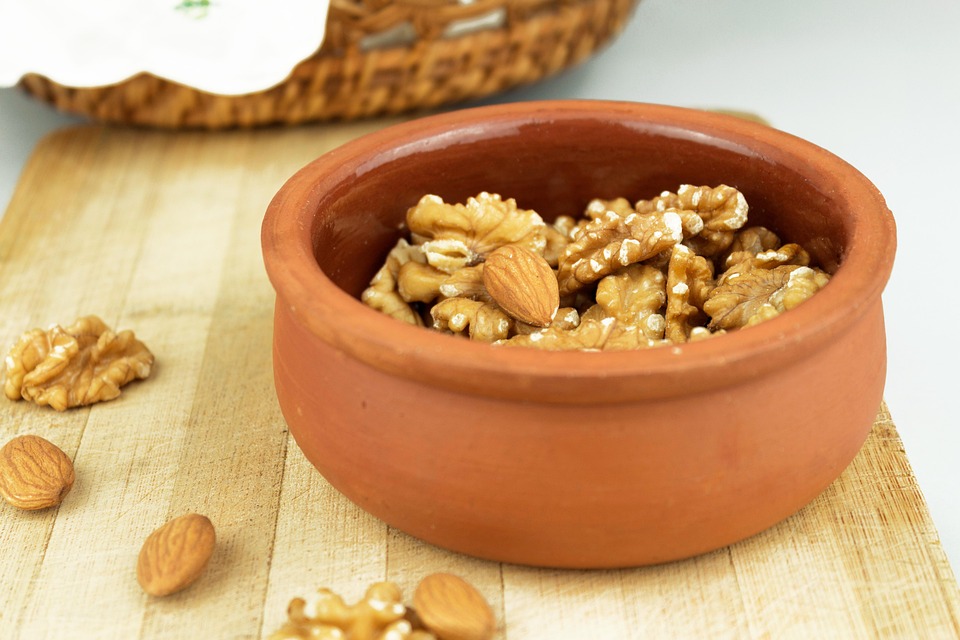

Walnuts have emerged as a powerful ally in the quest for better joint health, largely due to their rich omega-3 fatty acid content. Joint pain and discomfort can significantly impact daily life, making even simple movements challenging. Many individuals are seeking natural solutions to mitigate these issues. While there are various dietary options available, walnuts stand out as a particularly beneficial choice. Their unique combination of nutrients not only supports joint health but also contributes to overall well-being.

The omega-3 fatty acids found in walnuts, specifically alpha-linolenic acid (ALA), play a crucial role in reducing inflammation and promoting joint lubrication. This is particularly important for those suffering from osteoarthritis or rheumatoid arthritis, as these conditions are characterized by inflammation and pain in the joints. Incorporating walnuts into your diet can provide a delicious and nutritious way to combat these symptoms.
Understanding the mechanics behind how walnuts influence joint health can empower individuals to make informed dietary choices. This guide will delve into the practical applications of walnuts, common pitfalls to avoid when using them, the science behind their benefits, and additional lifestyle factors that can enhance their effectiveness. Embracing this knowledge can lead to a more active and fulfilling life.
The journey toward improved joint health begins with understanding how to effectively incorporate walnuts into your daily routine. This guide aims to equip you with the necessary tools to make walnuts a staple in your diet, ensuring you reap their maximum benefits for joint health and overall wellness.
Contents
How to Use Walnuts for Real Results
- Best Form: Raw or lightly roasted walnuts.
- Best Time: Daily, preferably in the morning.
- Expected Result: Reduced inflammation and improved joint mobility.
For Daily Protection
The Prep: Start with a handful of raw walnuts, approximately 1 ounce or about 14 halves. You can soak them overnight to enhance their digestibility and nutrient absorption. This simple step can make a significant difference in how your body utilizes the omega-3 fatty acids.
The Action: Consume the soaked walnuts first thing in the morning. Pair them with a glass of water or add them to a smoothie for an extra nutritional boost. This ensures that your body receives a concentrated dose of omega-3s early in the day, setting a positive tone for your joint health.
The Feeling: After incorporating walnuts into your morning routine, many report a sensation of lightness and increased energy. Over time, you may notice a gradual reduction in joint stiffness, particularly after periods of inactivity.
Pro Tip: Consider adding walnuts to your morning oatmeal or yogurt for a delicious crunch and added health benefits.
Targeting Acute Pain
The Prep: For acute joint pain, prepare a walnut-infused oil. Start with 1 cup of extra virgin olive oil and add 1 cup of crushed walnuts. Let the mixture sit in a cool, dark place for about a week to allow the beneficial compounds to infuse.
The Action: Once the oil is ready, apply it directly to the affected joint area. Use gentle circular motions to massage the oil into your skin, allowing it to penetrate deeply. This topical application can provide localized relief while delivering omega-3 benefits directly where they are needed.
The Feeling: Users often describe a soothing sensation as the oil is massaged in. The warmth from friction combined with the oil’s anti-inflammatory properties can create a comforting effect, lasting for several hours.
Pro Tip: This walnut-infused oil can also serve as a salad dressing, providing both flavor and health benefits.
The Nighttime Routine
The Prep: Create a walnut bedtime snack by mixing 1 ounce of walnuts with a teaspoon of honey. This combination not only enhances taste but also provides additional antioxidants and anti-inflammatory properties.
The Action: Consume this snack about 30 minutes before bedtime. The natural sugars in honey can help promote relaxation, while the omega-3s in walnuts support overnight recovery and joint health.
The Feeling: Many report feeling more relaxed and experiencing less discomfort during the night. This can lead to improved sleep quality, which is vital for overall recovery and joint health.
Pro Tip: Pair walnuts with a warm herbal tea to enhance relaxation and further support your joint health.
Mistakes to Avoid with Walnuts
Choosing Processed Varieties
Selecting processed walnuts, such as those with added sugars or preservatives, is a common mistake. These additives can counteract the health benefits of walnuts and may even contribute to inflammation. Always opt for raw or lightly roasted walnuts to maximize their nutritional value.
When looking for walnuts, check labels to ensure they are free from unnecessary ingredients. Freshness is also crucial, as stale walnuts can lose their beneficial properties. Purchase from reputable sources to ensure quality.
Neglecting Portion Control
Overconsumption of walnuts can lead to excessive calorie intake, which may counteract their health benefits. While walnuts are nutritious, they are also calorie-dense. Aim for a daily serving size of about 1 ounce to reap the benefits without overindulging.
Incorporating walnuts into meals rather than consuming them as a standalone snack can help maintain portion control. Use them as an ingredient in salads, smoothies, or baked goods to enjoy their benefits without exceeding recommended amounts.
Ignoring Dietary Balance
Focusing solely on walnuts while neglecting other essential nutrients can hinder overall health. A balanced diet rich in fruits, vegetables, whole grains, and lean proteins is essential for optimal joint health.
Ensure that walnuts are part of a varied diet. Complement their omega-3s with other sources of essential fatty acids, such as fish, flaxseeds, and chia seeds. This holistic approach supports not only joint health but also overall wellness.
The Science Behind Walnuts and Joint Health
The biological mechanism by which walnuts benefit joint health primarily revolves around their omega-3 fatty acid content. ALA, the specific type of omega-3 found in walnuts, has been shown to reduce inflammation in the body. This is crucial for joint health, as inflammation is a key factor in many joint disorders.
The key compound in walnuts is alpha-linolenic acid, which is converted into longer-chain omega-3 fatty acids in the body. These longer-chain fatty acids, such as EPA and DHA, are known for their anti-inflammatory properties. Regular consumption of walnuts can help maintain optimal levels of these beneficial fatty acids, supporting joint function and reducing discomfort.
Clinical evidence supports the role of omega-3 fatty acids in joint health. Studies have shown that diets rich in omega-3s can lead to reduced symptoms in individuals suffering from arthritis. For further reading on the clinical benefits of omega-3s, visit this link.
Choosing the Right Product
- Potency: Ensure the walnuts you select are fresh and contain a high concentration of omega-3 fatty acids. Fresh walnuts provide maximum benefits.
- Purity: Look for organic or non-GMO certified walnuts. This guarantees that they are free from harmful pesticides and additives.
- Form: Choose raw or lightly roasted walnuts over flavored varieties. Flavored options often contain added sugars or unhealthy fats that diminish health benefits.
Benefits vs Risks
| The Benefits | Potential Downsides |
|---|---|
| Rich source of omega-3 fatty acids, reducing inflammation. | High in calories, potential for weight gain if overconsumed. |
| Supports joint lubrication and mobility. | Possible allergic reactions in some individuals. |
| Improves overall cardiovascular health. | May interact with certain medications; consult a healthcare provider. |
Habits to Enhance Joint Health
Incorporating regular physical activity into your routine is essential for joint health. Low-impact exercises, such as swimming or cycling, can strengthen the muscles surrounding the joints, providing better support and reducing pain.
Maintaining a balanced diet rich in antioxidants can also support joint health. Foods like berries, leafy greens, and whole grains complement the benefits of walnuts, creating a synergistic effect that promotes overall well-being.
Who Should Avoid This?
– Individuals with nut allergies should avoid walnuts entirely.
– Those on anticoagulant medications may need to limit walnut intake due to potential blood-thinning effects.
– People with certain gastrointestinal conditions may find walnuts challenging to digest and should consult a healthcare professional.
Common Questions
How many walnuts should I eat daily for joint health?
A daily serving of about one ounce, or approximately 14 halves, is recommended for optimal benefits.
Can I use walnut oil for joint pain?
Yes, walnut oil can be used topically to help relieve joint pain and inflammation.
Are there any side effects of eating walnuts?
Some individuals may experience allergic reactions or digestive discomfort. It is best to introduce walnuts gradually into your diet.
How long does it take to see results from eating walnuts?
Many people report improvements in joint discomfort within a few weeks of regular walnut consumption.
The Bottom Line
Incorporating walnuts into your daily diet can significantly enhance joint health.
- The Truth: While walnuts offer numerous benefits, they are not a cure-all and should be part of a balanced diet.
- The Strategy: Consuming walnuts daily, particularly in the morning, maximizes their anti-inflammatory properties.
- The Next Step: Aim to combine walnuts with other nutrient-dense foods for optimal joint and overall health.
Get Your FREE Natural Health Guide!
Subscribe now and receive our exclusive ebook packed with natural health tips, practical wellness advice, and easy lifestyle changes, delivered straight to your inbox.