
Poor iron levels can lead to fatigue, weakness, and a host of other health issues. Many individuals struggle with maintaining optimal iron levels due to dietary restrictions, lifestyle choices, or underlying health conditions. This deficiency not only affects physical performance but can also impact mental health, leading to feelings of lethargy and decreased motivation. Finding a natural solution to boost iron levels is essential for overall wellness.
Moringa, a nutrient-dense plant often hailed as a superfood, offers a promising avenue for those looking to enhance their iron intake. This leafy green is packed with vitamins, minerals, and antioxidants, making it a powerful ally in the quest for better health. Beyond its iron content, moringa provides a variety of nutrients that support overall well-being, making it a versatile addition to any diet.
Understanding how to incorporate moringa into your daily regimen can transform the way you approach nutrition. This guide delves into practical applications, common pitfalls, scientific backing, and more, equipping you with the knowledge needed to enhance your iron levels naturally. By leveraging the benefits of moringa, you can foster a healthier, more energetic lifestyle.
Embarking on this journey not only focuses on iron enhancement but also promotes holistic wellness. Moringa serves as a bridge between nutrition and vitality, providing a sustainable way to nourish your body and mind. Let’s explore how you can effectively use this remarkable plant to boost your iron levels.
Contents
How to Use Moringa for Real Results
- Best Form: Moringa powder or capsules
- Best Time: Morning or with meals
- Expected Result: Enhanced energy and improved iron levels
For Daily Protection
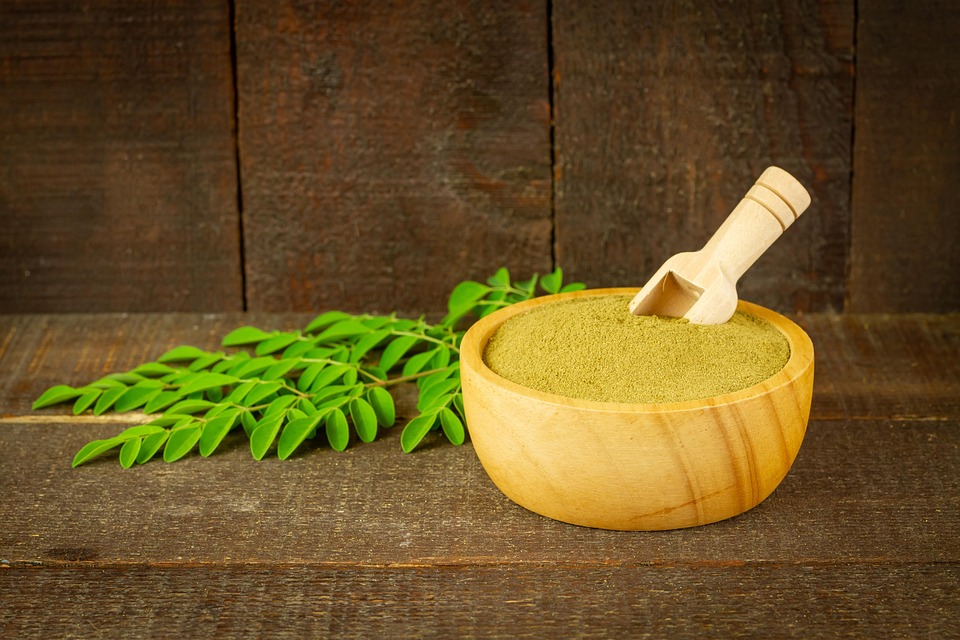
The Prep: Start with high-quality moringa powder, ideally sourced from organic farms. You’ll need about one teaspoon of the powder, a glass of water, and optionally, a slice of lemon to enhance absorption.
The Action: In the morning, mix the moringa powder into a glass of water. If you’re using lemon, squeeze it in for added flavor and vitamin C, which helps with iron absorption. Stir well and drink it on an empty stomach for optimal results.
The Feeling: Many users report a mild energy boost shortly after consuming moringa. This feeling can last several hours, helping to combat fatigue and enhance focus throughout the day.
Pro Tip: Pair it with a balanced breakfast to maximize nutrient absorption.
In Smoothies for Nutrient Boost
The Prep: Gather fresh fruits like bananas or berries, a cup of spinach, one tablespoon of moringa powder, and a cup of your choice of milk or yogurt.
The Action: Blend all ingredients together until smooth. This nutrient-packed smoothie can be enjoyed as a meal replacement or a refreshing snack. The sweetness from the fruits will mask the earthy taste of moringa.
The Feeling: This smoothie not only tastes great but also leaves you feeling revitalized and full. The combination of ingredients provides sustained energy and a sense of fullness.
Pro Tip: Add a scoop of protein powder for an extra energy boost.
As a Cooking Ingredient
The Prep: Use moringa powder as a seasoning in your cooking. Prepare a dish like stir-fried vegetables or soups, and set aside one tablespoon of moringa powder.
The Action: As you cook, sprinkle the moringa powder into your dish during the last few minutes of cooking. This helps preserve its nutrients while adding a unique flavor to your meal.
The Feeling: Incorporating moringa into your meals can enhance the overall taste and nutritional profile. You may feel more satisfied after meals, thanks to the added nutrients.
Pro Tip: Experiment with different recipes to find your favorite way to enjoy moringa.
Common Missteps in Moringa Use
Choosing Low-Quality Moringa
Investing in high-quality moringa ensures that you receive the maximum benefits. Always check for certifications and read reviews to ensure you are purchasing a reputable product. Failing to pair moringa with vitamin C-rich foods can hinder iron absorption. Iron absorption can be significantly improved when consumed with foods high in vitamin C, such as citrus fruits or bell peppers. Incorporating these foods into your meals or smoothies can enhance the effectiveness of moringa, ensuring your body utilizes the iron more efficiently. Many believe that more is better. However, excessive consumption of moringa can lead to digestive issues or other health complications. The recommended dosage is typically 1-2 teaspoons of moringa powder per day. Sticking to the recommended amounts allows you to benefit from moringa without experiencing adverse effects, ensuring a balanced approach to supplementation. Moringa operates on a biological level by providing essential nutrients that support hemoglobin production. Iron is crucial for this process, and moringa is rich in non-heme iron, which is vital for those looking to boost their levels naturally. The key compound in moringa contributing to its iron-boosting benefits is its high concentration of iron and vitamin C. These nutrients work synergistically to enhance absorption and utilization in the body, making moringa an effective option for those with iron deficiency. Evidence supporting the efficacy of moringa includes various studies highlighting its nutritional benefits. Research shows that moringa can significantly improve iron status in individuals with deficiencies. For more detailed insights, refer to this PubMed search on Moringa and Iron Deficiency.Ignoring Dietary Pairings
Overconsumption
The Mechanisms Behind Moringa’s Efficacy
Choosing the Right Product
Benefits and Risks
| The Benefits | Potential Downsides |
|---|---|
| Rich in iron and essential nutrients | May cause digestive upset if overconsumed |
| Supports overall health and vitality | Possible interactions with certain medications |
| Natural and versatile dietary supplement | Quality can vary greatly between brands |
Habits to Enhance Iron Levels
Incorporating regular exercise into your routine can significantly boost your energy levels and overall health. Physical activity increases circulation and can enhance nutrient absorption.
Maintaining a balanced diet rich in fruits, vegetables, and whole grains complements your moringa intake. These foods provide additional vitamins and minerals that support iron absorption and overall wellness.
Who Should Avoid This?
- Individuals with known allergies to moringa or related plants.
- Pregnant or breastfeeding women should consult a healthcare provider before use.
- People on anticoagulant medications due to potential interactions.
Common Questions
How long does it take to see results from moringa?
Results can vary, but many individuals report improved energy levels within a few weeks of consistent use.
Can moringa replace iron supplements?
Moringa can complement iron supplements but should not replace them without consulting a healthcare professional.
Is moringa safe for children?
While moringa is generally safe, it is advisable to consult a pediatrician before introducing it to children.
Can I take moringa with other supplements?
Moringa can usually be taken with other supplements, but it is best to consult with a healthcare provider for personalized advice.
The Bottom Line
Using moringa as a natural means to boost iron levels can lead to significant improvements in overall health and vitality.
- The Truth: Moringa is not a cure-all and should be part of a balanced diet.
- The Strategy: Incorporate moringa into your daily routine, focusing on timing and pairing with vitamin C.
- The Next Step: Consider integrating regular physical activity to further enhance your health benefits.
Get Your FREE Natural Health Guide!
Subscribe now and receive our exclusive ebook packed with natural health tips, practical wellness advice, and easy lifestyle changes, delivered straight to your inbox.