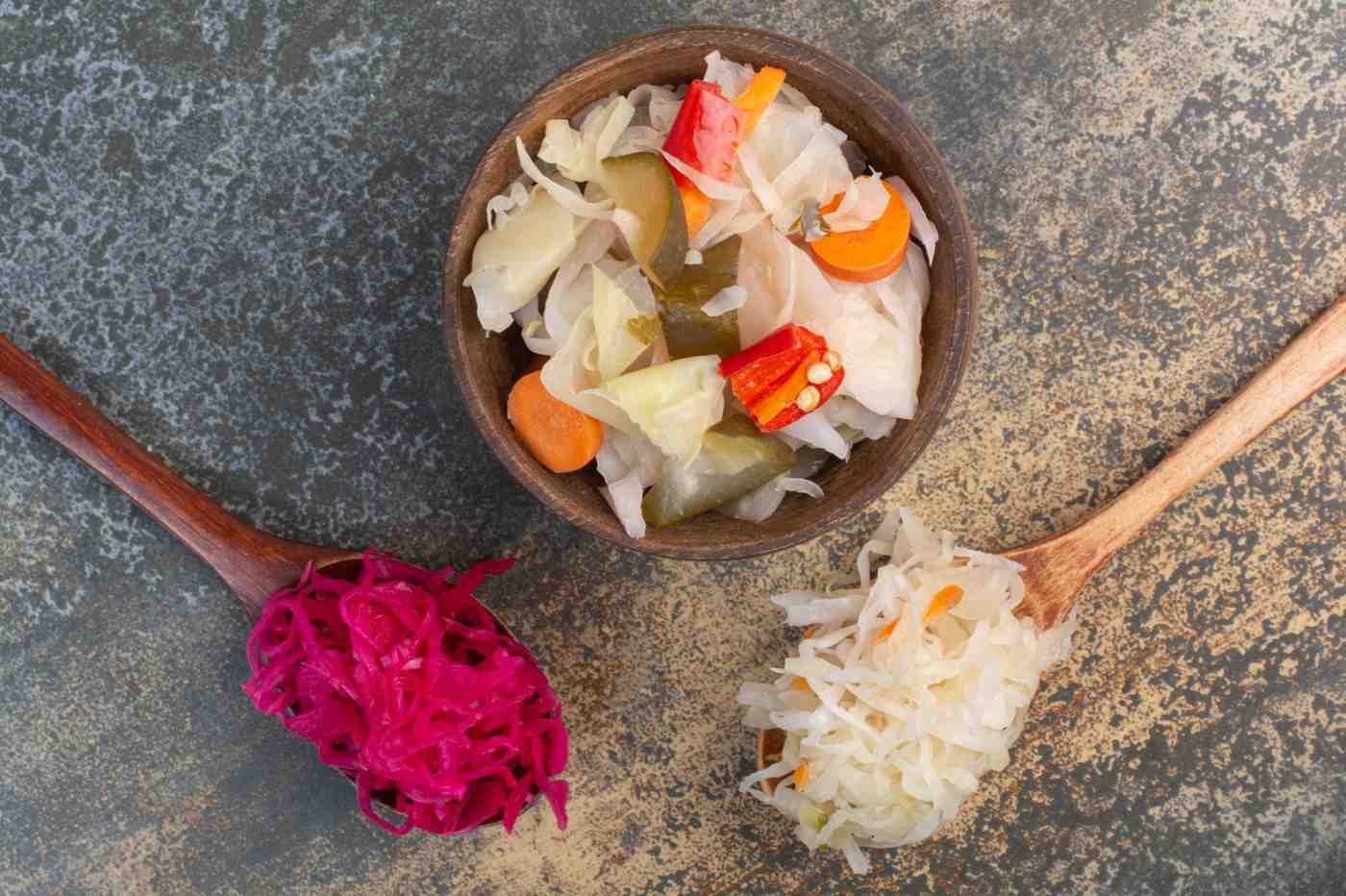

Fermented foods have gained significant attention for their potential to enhance gut health. The human gut hosts trillions of microorganisms that play a crucial role in digestion, immunity, and overall well-being. An imbalance in these microorganisms can lead to various health issues, including digestive disorders, immune dysfunction, and even mood disturbances. Many individuals are unaware that the foods they consume can dramatically affect the composition of their gut microbiota. One such food that stands out in promoting gut health is sauerkraut, a fermented cabbage dish rich in probiotics.
Sauerkraut is not just a delicious addition to meals; it is a powerhouse of beneficial bacteria that can improve digestion and enhance nutrient absorption. The fermentation process involves beneficial bacteria, primarily Lactobacillus, which convert sugars in cabbage into lactic acid. This not only preserves the cabbage but also creates an environment conducive to the growth of probiotics. Incorporating sauerkraut into your diet can offer numerous health benefits, from improved digestion to better immune function.
This guide will delve into the world of sauerkraut, offering recipes and insights into how to effectively use this fermented food to boost your gut health. Understanding the preparation, consumption, and potential pitfalls of sauerkraut will empower you to make informed choices in your wellness journey.
The following sections will provide detailed instructions, common mistakes to avoid, and the science behind the benefits of sauerkraut, ensuring you have a comprehensive understanding of how to integrate this superfood into your diet effectively.
Contents
How to Use Fermented Cabbage for Real Results
- Best Form: Raw, unpasteurized sauerkraut
- Best Time: With meals or as a snack
- Expected Result: Improved digestion and enhanced gut flora
For Daily Protection
The Prep: Start with fresh, organic green cabbage and sea salt. You will need about one medium head of cabbage, which should yield approximately four cups of shredded cabbage. Ensure that your equipment, including bowls and jars, is clean to prevent unwanted bacteria.
The Action: Begin by shredding the cabbage finely. Place it in a large bowl and sprinkle with sea salt. Massage the cabbage with your hands for about 5 to 10 minutes. This process releases the natural juices of the cabbage, creating a brine. Pack the cabbage tightly into a clean glass jar, ensuring it is fully submerged in its brine. Seal the jar loosely to allow gases to escape during fermentation. Store it in a cool, dark place for 1 to 4 weeks, tasting periodically until it reaches your desired level of tanginess.
The Feeling: As you consume the sauerkraut, you may notice a tingling sensation in your mouth, which is a sign of the beneficial bacteria at work. This sensation can last several minutes, followed by a refreshing feeling as the probiotics begin to support your digestive health.
Pro Tip: Pair sauerkraut with fatty foods like avocados or olive oil to enhance nutrient absorption.
Targeting Digestive Issues
The Prep: Gather your ingredients: one medium head of red cabbage, one tablespoon of caraway seeds, and sea salt. Red cabbage contains additional antioxidants, which can further support gut health.
The Action: Shred the red cabbage and mix it with sea salt in a bowl. Incorporate the caraway seeds for added flavor and digestive benefits. Massage the mixture until it releases juices. Transfer it into a fermentation jar, pressing down firmly to ensure it is submerged in its brine. Seal the jar and let it ferment for 2 to 3 weeks. Check for bubbles and a sour smell, indicating that fermentation is occurring.
The Feeling: Upon consuming this vibrant sauerkraut, you may experience a delightful crunch followed by a burst of tangy flavor. The probiotics will start working immediately, promoting a sense of well-being as they support your digestive tract.
Pro Tip: Enjoy this sauerkraut on a bed of greens to create a nourishing salad.
The Nighttime Routine
The Prep: Use one medium head of Napa cabbage, two tablespoons of grated ginger, and sea salt. Ginger adds an extra layer of digestive support, especially beneficial in the evening.
The Action: Shred the Napa cabbage and combine it with ginger and sea salt in a bowl. Massage the mixture until the cabbage softens and juices are released. Pack the mixture into a fermentation jar, ensuring it is submerged in the brine. Leave it to ferment for about 1 to 2 weeks, checking periodically for taste and aroma.
The Feeling: As you consume this sauerkraut in the evening, notice how the ginger adds a warming sensation, easing into your digestion. The probiotics will help create a calm environment in your gut, promoting restful sleep.
Pro Tip: Pair this sauerkraut with a warm herbal tea for a soothing evening ritual.
Avoiding Common Errors in Fermented Foods
Using Low Quality Ingredients
One common mistake is using low-quality or non-organic cabbage, which may contain pesticides and additives that can hinder fermentation. Low-quality ingredients can lead to poor flavor and reduced probiotic content. Always opt for organic cabbage to ensure you are getting the best possible nutrients and flavor.
Using fresh ingredients also enhances the fermentation process. Fresh cabbage has higher moisture content, which is crucial for creating a brine. If the cabbage is wilted or old, it will not ferment properly, leading to a disappointing outcome.
Neglecting Proper Storage
Many individuals overlook the importance of proper storage during fermentation. Failing to keep the sauerkraut in a cool, dark place can lead to over-fermentation or spoilage. It is essential to monitor the temperature and environment where you store your jars.
Using an airtight seal can trap gases and lead to explosions. Instead, use a loose lid or cover the jar with a cloth to allow gases to escape while preventing contamination.
Ignoring the Fermentation Time
Another mistake is not allowing sufficient fermentation time. Rushing the process can result in underdeveloped flavors and inadequate probiotic content. Each batch will vary in fermentation time based on environmental factors like temperature and humidity.
Taste testing is vital. If the sauerkraut is not tangy or flavorful after a week, give it more time. Fermentation can take anywhere from one to four weeks, depending on your taste preferences and conditions.
The Mechanisms Behind Fermentation
The fermentation process of sauerkraut is primarily a lactic acid fermentation. This biological mechanism involves beneficial bacteria, particularly Lactobacillus species, converting sugars in cabbage into lactic acid. This not only preserves the cabbage but also creates an acidic environment that inhibits the growth of harmful bacteria.
Key compounds in fermented foods include probiotics, which are live microorganisms that confer health benefits when consumed in adequate amounts. These probiotics, particularly Lactobacillus, enhance gut health by restoring the natural balance of gut microbiota, improving digestion, and supporting immune function.
Clinical evidence supports the benefits of probiotics in fermented foods. Research indicates that regular consumption of probiotics can alleviate symptoms of digestive disorders and improve overall gut health. For more detailed information, visit PubMed.
Choosing the Right Product
– **Potency:** Look for products with a high probiotic count, as this indicates a higher potential for health benefits. Products with at least 1 billion CFUs per serving are generally considered effective.
– **Purity:** Choose brands that use minimal ingredients and avoid preservatives. Pure, organic sauerkraut ensures you receive the maximum health benefits without unnecessary additives.
– **Form:** Consider whether you prefer fresh, refrigerated options or shelf-stable varieties. Fresh sauerkraut typically contains more live probiotics, while shelf-stable products may have undergone pasteurization, reducing their probiotic content.
Benefits vs Risks
| The Benefits | Potential Downsides |
|---|---|
| Improves digestion and nutrient absorption | Can cause bloating in sensitive individuals |
| Enhances gut microbiota diversity | High sodium content may not be suitable for everyone |
| Supports immune function | May interact with certain medications |
Habits to Enhance Gut Health
Incorporating physical activity into your daily routine can significantly enhance gut health. Exercise promotes the movement of food through the digestive system and supports the growth of beneficial gut bacteria. Aim for at least 30 minutes of moderate exercise most days of the week.
Practicing mindfulness and stress-reduction techniques can also benefit gut health. Stress negatively impacts gut microbiota, leading to digestive issues. Incorporate practices such as meditation, yoga, or deep breathing exercises into your daily routine to promote relaxation and support gut function.
Who Should Avoid This?
– Individuals with severe cabbage allergies
– Those with irritable bowel syndrome or other specific gastrointestinal conditions
– People on low-sodium diets due to hypertension
– Individuals taking medications that may interact with fermented foods
Common Questions
How often should I eat sauerkraut?
Aim for a few tablespoons daily to reap the most benefits.
Can I make sauerkraut without salt?
Salt is crucial for proper fermentation and flavor. Avoid omitting it.
How long does homemade sauerkraut last?
When stored in the refrigerator, homemade sauerkraut can last several months.
Can I add other vegetables to my sauerkraut?
Yes, incorporating other vegetables like carrots or beets can enhance flavor and nutrition.
The Bottom Line
Incorporating fermented sauerkraut into your diet can significantly enhance your gut health and overall well-being.
- The Truth: Fermentation requires patience and attention to detail.
- The Strategy: Enjoy sauerkraut as part of your meals to maximize benefits.
- The Next Step: Start with small amounts and gradually increase your intake.
Get Your FREE Natural Health Guide!
Subscribe now and receive our exclusive ebook packed with natural health tips, practical wellness advice, and easy lifestyle changes, delivered straight to your inbox.