
Many individuals experience discomfort due to poor ear circulation. This can manifest as a feeling of fullness in the ears, muffled hearing, or even dizziness. The underlying issue often stems from inadequate blood flow to the ear region. This is where natural remedies can play a significant role. One such remedy is ginger tea, known not only for its flavor but also for its health benefits, particularly in enhancing circulation.

Ginger is a powerful root with anti-inflammatory properties. It can help in alleviating congestion and promoting better blood flow. The warmth of ginger tea can stimulate circulation, potentially providing relief for those suffering from ear-related issues. Incorporating ginger tea into your daily routine may serve as a proactive approach to maintain optimal ear health.
Creating ginger tea is straightforward, and there are various recipes to suit individual preferences. Whether you enjoy a simple ginger infusion or a more complex blend with additional herbs, there is a preparation method suitable for everyone. By exploring different recipes, you can find one that not only tastes great but also serves your health needs.
This guide will delve deeply into the benefits of ginger tea, how to prepare it, common mistakes to avoid, and the scientific evidence supporting its effectiveness for enhancing ear circulation. The goal is to empower you to make informed decisions about your wellness and incorporate ginger tea into your life effectively.
Contents
How to Use Ginger Tea for Real Results
- Best Form: Fresh ginger root
- Best Time: Morning or after meals
- Expected Result: Improved ear circulation and reduced discomfort
Daily Routine for Enhanced Circulation
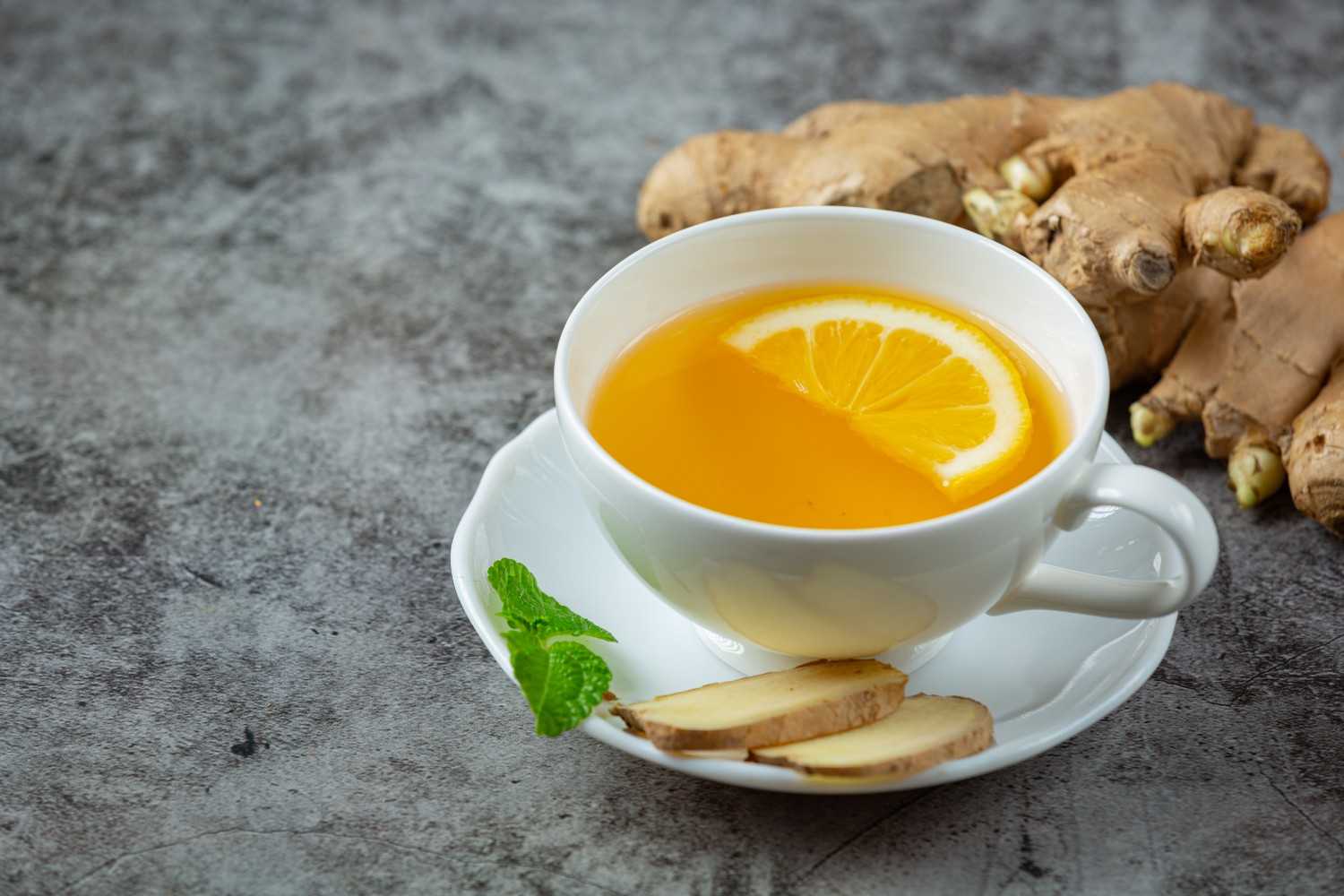
The Prep: Start with a 2-inch piece of fresh ginger root. Peel it and slice it thinly. You will also need 2 cups of water and honey for taste. Gather a small saucepan and a fine mesh strainer.
The Action: Bring the water to a boil in the saucepan. Add the sliced ginger and reduce the heat to a simmer. Allow it to steep for about 10 minutes. Strain the tea into a cup and add honey to taste. Enjoy your ginger tea warm.
The Feeling: Upon sipping the tea, you may experience a warming sensation that spreads through your body. This warmth can help promote blood flow, leading to a feeling of relief in the ear area. The effects may last for several hours.
Pro Tip: Drink this tea consistently for a week to notice significant benefits in ear circulation.
Quick Relief for Acute Symptoms
The Prep: Gather a 1-inch piece of fresh ginger, 1 cup of water, and a squeeze of lemon. Prepare a small saucepan and a cup.
The Action: Boil the water in the saucepan and add the ginger. Let it steep for 5 minutes. Remove from heat and add lemon juice. Strain into a cup and sip slowly.
The Feeling: This quick preparation can create a refreshing and tangy drink. You may feel a slight tingling sensation in your ears as the circulation improves. The relief can be quite immediate.
Pro Tip: Keep this recipe handy for when you need fast relief from acute ear discomfort.
Evening Wind Down with Ginger Infusion
The Prep: Use a 2-inch piece of ginger and add a pinch of cinnamon for a soothing evening drink. You will need 2 cups of water and a teapot.
The Action: Boil the water and add the ginger and cinnamon. Let it steep for 15 minutes. Strain into a teacup. You can enjoy this tea either warm or chilled.
The Feeling: The combination of ginger and cinnamon creates a cozy drink that can help relax your body. The warming properties may enhance circulation, providing a sense of comfort that lasts throughout the night.
Pro Tip: Enjoy this tea about an hour before bedtime for optimal relaxation and circulation benefits.
Common Errors to Avoid When Using Ginger Tea
Choosing Low-Quality Ingredients
Using low-quality ginger can significantly diminish the health benefits of your tea. Fresh ginger root is essential for obtaining the active compounds that improve circulation. Dried or powdered ginger lacks potency and may not provide the same effects.
To ensure you get the most from your ginger tea, always opt for fresh, organic ginger root. This choice guarantees that you are consuming a product rich in essential oils and nutrients that support circulation and overall health.
Overconsumption of Ginger
While ginger is beneficial, excessive consumption can lead to side effects like heartburn or digestive upset. It is crucial to find a balance when incorporating ginger tea into your routine. Too much of a good thing can sometimes be counterproductive.
Stick to the recommended amounts. A few cups a day is typically sufficient for most people. This approach allows you to enjoy the benefits without experiencing discomfort. Listen to your body and adjust your intake accordingly.
Neglecting Other Health Factors
Focusing solely on ginger tea while neglecting other aspects of health can lead to unmet wellness goals. Ear circulation can also be affected by hydration, diet, and lifestyle habits. Relying solely on ginger tea may not yield the desired results.
Incorporate ginger tea as part of a holistic approach to health. Stay hydrated, maintain a balanced diet, and engage in regular physical activity. This comprehensive strategy will enhance circulation and overall well-being.
The Biological Mechanism Behind Ginger’s Benefits
Ginger contains bioactive compounds called gingerols and shogaols. These compounds contribute to its anti-inflammatory and antioxidant properties. They work to improve blood flow by dilating blood vessels, which can enhance circulation to the ears and other areas of the body.
Research indicates that ginger can stimulate the cardiovascular system. By promoting blood circulation, it helps deliver vital nutrients and oxygen to various tissues, including the delicate structures of the ear. This improved circulation can alleviate symptoms related to ear discomfort.
Studies have shown the effectiveness of ginger in promoting circulation. For further reading on the health benefits of ginger and its impact on circulation, visit this PubMed search.
Choosing the Right Ginger Product
- Potency: The strength of the ginger product determines its effectiveness. High-potency ginger can provide more significant health benefits.
- Purity: Ensure the product is free from additives or fillers. Pure ginger will yield the best results for circulation and overall health.
- Form: Choose between fresh, dried, or powdered ginger based on your preference. Each form has unique benefits and uses.
Benefits and Risks of Ginger Tea
| The Benefits | Potential Downsides |
|---|---|
| Enhances blood circulation | May cause digestive discomfort if consumed excessively |
| Natural anti-inflammatory properties | Possible interactions with blood thinners |
| Rich in antioxidants | Not suitable for individuals with specific allergies |
Integrating Healthy Habits
Regular physical activity can significantly enhance circulation. Engaging in exercises like walking or yoga can complement the benefits of ginger tea, leading to improved overall health.
Hydration is crucial for maintaining optimal blood flow. Drinking adequate water throughout the day supports the body’s systems, including circulation.
Who Should Avoid This?
- Individuals on blood-thinning medications
- Those with a history of allergies to ginger
- Pregnant women, unless advised by a healthcare provider
- People with gallbladder issues
Common Questions
How often should I drink ginger tea?
Drinking ginger tea 1 to 3 times a day is generally considered beneficial for circulation.
Can ginger tea help with ear infections?
While ginger tea can support circulation and reduce inflammation, it should not replace medical treatment for ear infections.
What are the best times to drink ginger tea?
Morning or after meals are ideal times to enjoy ginger tea for optimal benefits.
Is it safe to drink ginger tea daily?
Yes, for most individuals, daily consumption of ginger tea is safe and can promote health.
The Bottom Line
Incorporating ginger tea into your wellness routine can significantly support ear circulation.
- The Truth: Ginger tea is effective but should not be the only method for addressing ear circulation issues.
- The Strategy: Enjoy ginger tea regularly, especially in the morning or after meals for best results.
- The Next Step: Consider incorporating regular exercise and hydration into your daily habits.
Get Your FREE Natural Health Guide!
Subscribe now and receive our exclusive ebook packed with natural health tips, practical wellness advice, and easy lifestyle changes, delivered straight to your inbox.