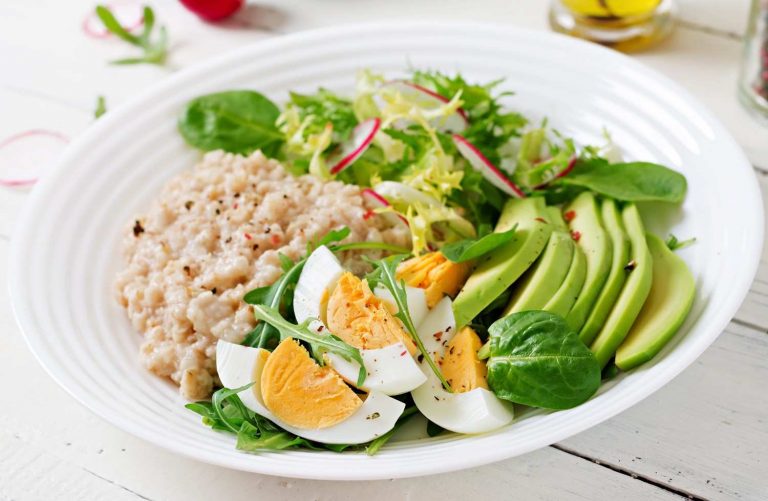

Chronic inflammation is a growing concern in today’s fast-paced world. Many individuals experience symptoms ranging from fatigue to digestive issues and joint pain. While medications can provide relief, they often come with side effects and may not address the root cause. A shift in dietary choices can play a significant role in managing inflammation. Specifically, incorporating leafy greens into your diet can create a powerful impact on your overall health.
Leafy greens, such as spinach, kale, and Swiss chard, are rich in essential nutrients and antioxidants that help combat inflammation and promote an alkaline environment in the body. This alkaline state is crucial for reducing acidity, which can exacerbate inflammation. By focusing on these nutrient-dense foods, you can not only alleviate inflammation but also enhance your overall well-being.
Understanding how to effectively integrate leafy greens into your daily routine is vital. This guide will delve into practical applications, common mistakes, scientific explanations, and lifestyle considerations surrounding the use of these greens. The goal is to empower you with the knowledge and tools needed to make informed dietary choices.
Getting started with leafy greens does not have to be complex. Simple changes in meal preparation and consumption can yield significant benefits. This guide will provide a comprehensive approach to using leafy greens effectively while addressing potential pitfalls and enhancing your journey toward a healthier lifestyle.
Contents
How to Use Leafy Greens for Real Results
- Best Form: Fresh or lightly steamed.
- Best Time: Daily as part of meals.
- Expected Result: Reduced inflammation and improved vitality.
For Daily Protection
The Prep: Gather fresh spinach, kale, and arugula. You will also need a blender, a bowl, and a cutting board. Wash the greens thoroughly to remove any dirt or pesticides.
The Action: Blend two cups of the greens with a banana, a tablespoon of flaxseeds, and a cup of almond milk. Pour into a glass and enjoy as a morning smoothie. This combination provides a nutrient-packed start to your day.
The Feeling: After consuming the smoothie, expect a refreshing sensation. The greens will give you a slight energy boost, while the banana adds a creamy texture. This feeling typically lasts for several hours, keeping you alert and focused.
Pro Tip: Add a spoonful of spirulina for an additional nutrient boost.
Targeting Acute Pain
The Prep: Prepare a salad using kale, Swiss chard, and beets. Include a handful of walnuts and a dressing of olive oil and lemon juice. Chop the greens and beets finely for better absorption.
The Action: In a large bowl, combine the chopped greens and beets. Drizzle with olive oil and lemon juice, then toss with walnuts. Serve immediately. This salad is rich in anti-inflammatory compounds.
The Feeling: This meal will provide a crunchy texture and a zesty flavor. You may notice a warming sensation in your stomach due to the nutrient-rich ingredients. This feeling can last for several hours, contributing to your overall comfort.
Pro Tip: Incorporate fresh herbs like basil or cilantro for added flavor and health benefits.
The Nighttime Routine
The Prep: Gather ingredients for a warm soup made with collard greens, garlic, and ginger. You will need vegetable broth, a pot, and a knife. Chop the greens and mince the garlic and ginger.
The Action: In a pot, sauté garlic and ginger until fragrant. Add chopped collard greens and vegetable broth, then simmer for 20 minutes. This soothing soup is perfect for winding down.
The Feeling: After enjoying the soup, you will feel a calming warmth spread through your body. The ginger provides a tingle, while the greens offer a satisfying fullness. This sensation helps prepare your body for a restful night.
Pro Tip: Consider adding a dash of turmeric for its additional anti-inflammatory properties.
Common Mistakes to Avoid with Leafy Greens
Choosing Processed Greens
Many individuals opt for pre-packaged greens, thinking they are convenient. However, these options often contain preservatives and may lose nutritional value during processing. Fresh, whole leafy greens are far superior.
To avoid this mistake, prioritize buying organic, fresh greens from local markets or grocery stores. Consider growing your own if possible. This ensures you consume the most nutrient-dense options available.
Ignoring Variety
Sticking to one type of leafy green can lead to nutrient deficiencies. Each green offers a unique profile of vitamins and minerals essential for optimal health. Relying on a single source can limit your benefits.
To enhance your diet, rotate between different leafy greens such as kale, spinach, Swiss chard, and collard greens. This variety ensures you receive a broad spectrum of nutrients, maximizing the anti-inflammatory effects.
Overcooking the Greens
Cooking leafy greens for too long can destroy essential nutrients. Overcooked greens lose their vibrant color and become mushy, which diminishes their health benefits. This mistake can lead to missed opportunities for reducing inflammation.
To preserve nutrients, lightly steam or sauté greens just until they wilt. This method retains their color and texture while maximizing their health benefits. Aim for a quick cooking time to keep them fresh and nutritious.
The Mechanism of Leafy Greens in Reducing Inflammation
Leafy greens play a crucial role in maintaining an alkaline environment in the body. This alkalinity helps counteract the acidity that can lead to inflammation. Greens contain high levels of chlorophyll, which aids in detoxification and promotes cellular health.
Key compounds found in leafy greens, such as flavonoids and carotenoids, exhibit potent anti-inflammatory properties. These compounds act by neutralizing free radicals and reducing oxidative stress, which is a significant contributor to chronic inflammation.
Research indicates that a diet rich in leafy greens can significantly lower inflammatory markers in the body. For more information, visit PubMed to explore clinical studies that highlight these benefits.
Choosing the Right Product
- Potency: Ensure that your leafy greens are rich in nutrients. Higher potency means more effective anti-inflammatory properties.
- Purity: Look for organic greens without pesticides or additives. Purity enhances health benefits and reduces exposure to harmful chemicals.
- Form: Consider fresh, frozen, or powdered forms. Fresh greens offer the best nutrient profile, while powdered options can be convenient for smoothies.
Benefits vs Risks
| The Benefits | Potential Downsides |
|---|---|
| Rich in vitamins and minerals | May cause digestive discomfort in some individuals |
| Supports alkalinity in the body | Excessive intake could lead to nutrient imbalances |
| Promotes detoxification | Some may experience allergic reactions |
Healthy Lifestyle Habits
Incorporating regular exercise into your routine enhances the benefits of leafy greens. Physical activity boosts circulation and promotes better nutrient absorption, amplifying the positive effects on inflammation.
Meditation or mindfulness practices can also complement your dietary changes. Reducing stress levels aids in managing inflammation, creating a holistic approach to wellness.
Who Should Avoid This?
- Individuals with kidney disorders should consult a healthcare provider before increasing leafy greens.
- People on anticoagulant medications may need to limit vitamin K intake found in greens.
- Those with allergies to specific greens should avoid consuming them.
Common Questions
How often should I consume leafy greens?
Incorporating leafy greens into your diet daily is ideal for maximizing their benefits.
Can I eat leafy greens raw?
Yes, many leafy greens can be consumed raw in salads or smoothies for maximum nutrient retention.
What is the best way to store leafy greens?
Store them in a breathable bag in the refrigerator to maintain freshness.
Are frozen leafy greens just as nutritious?
Frozen greens retain most of their nutrients and can be a convenient alternative.
The Bottom Line
Incorporating leafy greens into your diet is a powerful strategy for combating inflammation.
- The Truth: While leafy greens are beneficial, they should complement a balanced diet.
- The Strategy: Aim to include a variety of leafy greens in your meals daily.
- The Next Step: Consider meal prepping to ensure you have greens ready to go.
Get Your FREE Natural Health Guide!
Subscribe now and receive our exclusive ebook packed with natural health tips, practical wellness advice, and easy lifestyle changes, delivered straight to your inbox.