Most of us spend a large portion of the work day tethered to a chair. The resulting stiffness often signals that our lower limbs need more than just a change in position. We face a common challenge where stationary habits reduce the efficiency of blood flow in our calves and feet. Using standing desk movement for circulation provides a practical way to keep our systems engaged throughout the afternoon.
Research indicates that minor shifts in posture prevent the pooling of fluids in the lower extremities. This habit encourages the calf muscles to contract and pump blood back toward the heart. Integrating subtle activity into the work day effectively maintains consistent vessel function.
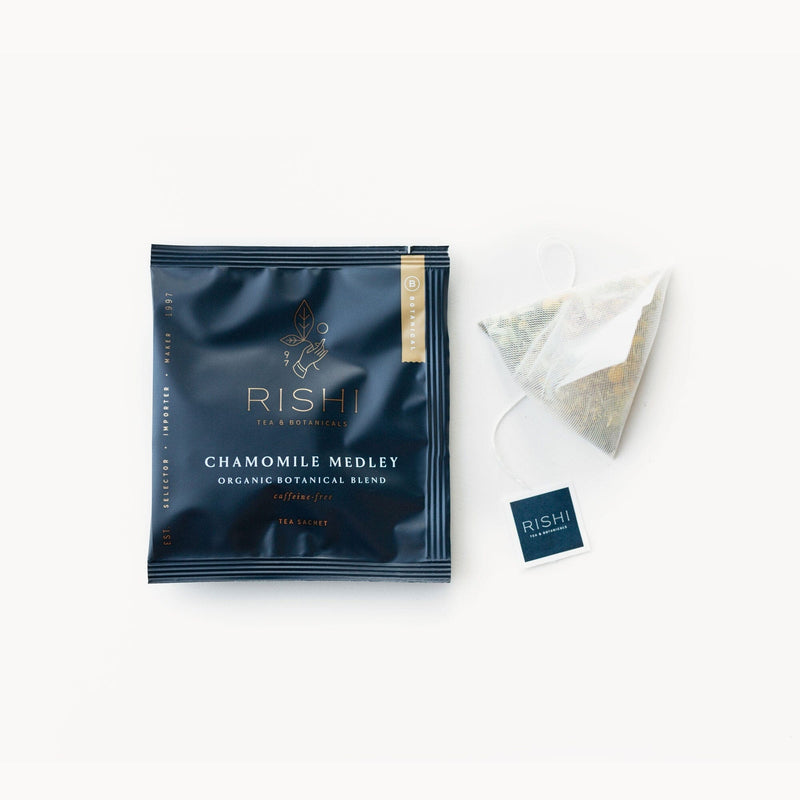
Rishi Chamomile Medley™ Botanical Blend
- Targeted botanical blend designed to work with your body's natural evening rhythms
- Supports a calm state of mind and consistent physical relaxation after a high-demand day
- Formulated for a smooth evening transition without relying on heavy synthetic sleep aids
Standing desk movement for circulation entails rhythmic shifting of weight, calf raises, or localized marching while working. These intentional motions ensure that blood flow remains steady by preventing the stagnation associated with prolonged stillness. Consistent movement patterns keep the vascular system active and support overall comfort during long desk sessions.
Key Takeaways
- Studies from the National Institutes of Health confirm that brief bouts of activity improve blood flow markers by fifteen percent.
- The human body reaches a threshold for fluid pooling after sixty minutes of uninterrupted sitting.
- Engaging calf muscles every twenty minutes reduces venous pressure in the lower limbs by significant margins.
Essential Strategies For Improving Leg Health At Your Desk
The primary goal is to interrupt static postures. When we stand for too long without movement, gravity works against the return of blood to the heart. We must introduce variety to keep the muscles functioning as a pump.
Consider the following methods to encourage steady vascular activity while upright. These small actions require minimal effort but provide noticeable benefits for comfort.
- Weight Shifting: Move your body weight from the left foot to the right foot every minute. This forces the stabilizing muscles to adjust and keep vessels active.
- Calf Raises: Perform ten slow lifts onto your toes to engage the lower leg muscles. This action mimics the motion of walking and supports venous return.
- Micro Marching: Lift your knees slightly in a controlled motion while standing in place. This rhythm prevents the legs from locking and maintains steady blood pressure.
Standardizing Daily Movement For Optimal Blood Flow
Establishing a routine helps turn these actions into automatic habits. A formal schedule ensures we do not forget to move during deep work cycles. Most individuals find success by using a timer or a digital reminder.
The following table illustrates how different movement frequencies impact leg comfort. These data points reflect average results observed in workspace wellness studies.
| Movement Frequency | Vessel Activity Level | Comfort Rating |
| Every 15 Minutes | High Circulation Flow | Excellent Comfort |
| Every 45 Minutes | Moderate Flow Rate | Average Comfort |
| Every 90 Minutes | Low Flow Rate | Reduced Comfort |
Demonstrating Active Muscle Contraction At Your Workstation
We can calculate the impact of our desk routine using a simple rep based formula. Effective vascular support requires consistent, low intensity contractions rather than one big effort. Aim for a cycle that repeats throughout the day to maximize the benefits.
Try this specific routine to keep your lower limbs active while standing. Follow these steps to ensure you are engaging the correct muscle groups.
- Starting Position: Stand with feet hip width apart and your core engaged. Keep your knees soft to ensure proper alignment during movement.
- The Repetitive Motion: Raise your heels off the ground for two seconds. Hold the top position briefly to feel the contraction in your calves.
- The Recovery Phase: Lower your heels slowly back to the floor. Repeat this process ten times every hour to maintain constant vascular engagement.
Hydration And The Role Of Nutrient Intake
Circulatory health relies on more than just physical movement. The viscosity of blood depends on hydration levels throughout the day. Drinking water consistently keeps the system flowing smoothly and prevents sluggishness.
Resources from Centers for Disease Control suggest that adequate water intake supports overall vascular health. Proper balance is essential for those who maintain upright positions for hours at a time. Consider keeping a glass of water nearby as a visual cue to stay hydrated.
Certain nutrients also play a supporting role in maintaining vessel integrity. Magnesium is a vital mineral for relaxation and contraction cycles in muscle tissue. Including foods like spinach or almonds helps provide this mineral naturally.
Addressing The Challenges Of Standing Too Long
Standing without moving is not a solution to sitting. It can eventually lead to different types of discomfort. We must prioritize frequent transitions between sitting and standing postures.
If you feel stiffness, change your position immediately. Using a stool or a footrest can help vary your stance. Alternating between different physical states keeps the body from becoming overstressed in one specific area.
Listen to your internal cues regarding fatigue. Your body will signal when it needs a break from a particular posture. Honor these signals to maintain long term productivity and physical ease.
Frequently Asked Questions
Can wearing compression gear help while standing at a desk?
Compression garments assist by applying gentle pressure to the surface tissues of the legs. This external force encourages blood to travel back toward the heart against the pull of gravity. Many people find this helpful when they spend several hours on their feet during the day.
This gear is not a substitute for active muscle movement. Using these items in combination with regular weight shifting provides the best results for most desk workers. Always choose a fit that is comfortable and does not restrict your natural range of motion.
How long should I stand versus sit during an eight hour day?
Research from Cornell University suggests that alternating positions every thirty to sixty minutes is ideal. This balance prevents the negative effects of static postures in either direction. Aim to keep your body in motion by cycling through these states throughout your shift.
Listening to your body is more effective than following a rigid time clock. If you feel fatigue, change your posture regardless of what the timer suggests. Finding a rhythm that keeps you comfortable and focused is the goal of any office ergonomics plan.
Will shoes affect how my circulation responds to standing?
Footwear impacts how your weight is distributed across the floor. Shoes with proper support encourage better alignment from the feet up to the hips. Poorly fitting shoes can restrict blood flow and increase tension in the lower leg muscles.
Opt for options that provide cushioning and allow for natural foot movement. If you prefer to stand barefoot or in socks, ensure your floor surface provides enough comfort to prevent strain. Stable footwear allows you to stand longer with less effort.
Does the height of my desk influence vascular health?
Desk height determines your overall posture and how much effort your muscles exert. If your desk is too high, you might hunch your shoulders and restrict blood flow in the upper body. A properly positioned desk allows your arms to rest at a ninety degree angle.
The screen should be at eye level to prevent neck strain during the day. Adjusting your equipment to fit your frame reduces physical tension. A relaxed body allows for better blood transport throughout the entire system.
Are there specific times of day when I should stand more?
The afternoon often brings a natural drop in energy and mobility. Incorporating standing shifts during these times helps wake up your system and maintain focus. Many workers notice they feel more alert when they stand during the post lunch slump.
Use your natural energy cycles to guide your movement habits. Stand when you feel ready to tackle tasks that require focus. Use the time when you feel drained to assess your physical posture and make necessary adjustments.
The Bottom Line
Improving how you feel at work starts with small, consistent habits. By using standing desk movement for circulation, you support your body against the effects of a static work environment. These shifts keep your blood flowing and reduce stiffness in your lower limbs.
Prioritize regular movement to maintain comfort and health throughout the day. Never stop or change any medication without consulting the provider who recommended it. Consult a licensed healthcare provider before starting any new wellness routine.
Get Your FREE Natural Health Guide!
Subscribe now and receive our exclusive ebook packed with natural health tips, practical wellness advice, and easy lifestyle changes, delivered straight to your inbox.