
Contents
Bone health is a crucial aspect of overall wellness that often gets overlooked. Many people associate strong bones solely with calcium intake, but the reality is that numerous nutrients work in concert to support skeletal integrity. Weak bones can lead to serious health issues, including fractures and osteoporosis, particularly as we age. This underscores the importance of understanding how to nourish our bones effectively.
Among the various foods that can enhance bone health, Swiss chard stands out due to its unique nutrient profile. This leafy green is not only versatile and delicious but also packed with vitamins and minerals that contribute significantly to bone strength. Exploring how to incorporate Swiss chard into your diet can provide a practical solution to a common health concern.
Incorporating Swiss chard into your meals can be both enjoyable and beneficial. This vegetable is rich in magnesium, vitamin K, and calcium, all of which are essential for maintaining bone density. Understanding how to harness these nutrients can empower you to take proactive steps toward better bone health.
As you delve deeper into the nutritional benefits of Swiss chard, you will find that it offers more than just bone-strengthening properties. Its anti-inflammatory and antioxidant effects contribute to overall wellness, making it a valuable addition to any diet. This guide will explore how to effectively use Swiss chard to boost your bone strength.
How to Use Swiss Chard for Real Results
- Best Form: Fresh or sautéed leaves
- Best Time: With meals
- Expected Result: Improved bone density and overall health
For Daily Protection
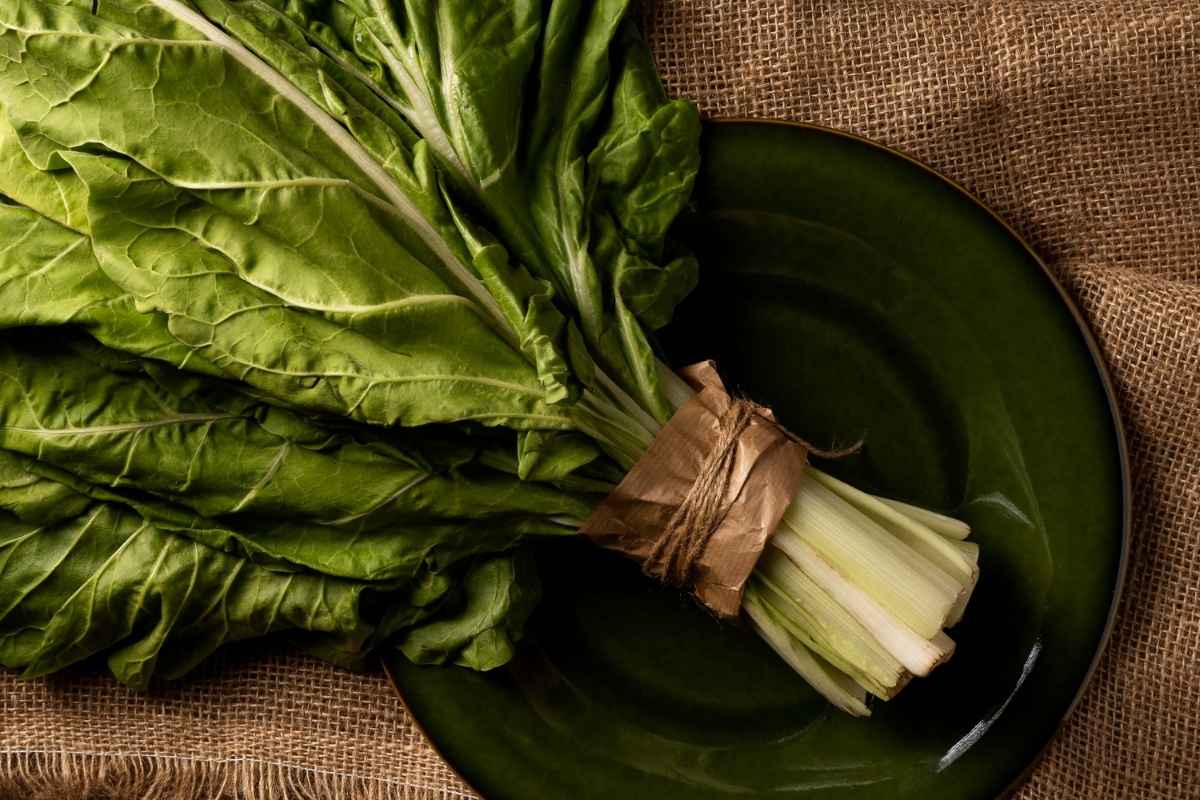
The Prep: Start with fresh Swiss chard leaves, about a cup per serving. You will also need olive oil, garlic, and a pinch of salt. Ensure all ingredients are washed and ready to go.
The Action: Heat a tablespoon of olive oil in a pan over medium heat. Add minced garlic and sauté until fragrant. Toss in the Swiss chard and cook for about five minutes, stirring frequently until wilted. Season with salt to taste.
The Feeling: As you eat this dish, expect a warm, comforting sensation. The garlic adds a slight kick, while the tender chard provides a satisfying texture. This dish can be enjoyed immediately and is perfect as a side or main dish.
Pro Tip: Adding a squeeze of lemon juice enhances the flavor and increases vitamin absorption.
Targeting Acute Pain
The Prep: Gather Swiss chard, fresh ginger, and turmeric. You will also need vegetable broth and your choice of protein, like chicken or tofu. Chop the chard and protein into bite-sized pieces.
The Action: In a pot, bring vegetable broth to a simmer. Add chopped Swiss chard, ginger, and turmeric, cooking for about ten minutes. Add your protein and simmer until cooked through, about another five minutes.
The Feeling: This dish will provide a warming sensation, with the spices creating a comforting heat. The chard will be soft yet still retain some texture, making each bite enjoyable.
Pro Tip: Serve with a sprinkle of sesame seeds for added crunch and nutrients.
The Nighttime Routine
The Prep: Use Swiss chard, quinoa, and a variety of seasonal vegetables like bell peppers and carrots. Rinse the quinoa thoroughly to remove any bitterness.
The Action: Cook quinoa according to package instructions. In a separate pan, sauté Swiss chard and diced vegetables in olive oil until tender. Mix the cooked quinoa and sautéed veggies together, seasoning with herbs of your choice.
The Feeling: This dish will feel hearty and nourishing as you consume it. The combination of flavors will create a satisfying meal that prepares your body for rest.
Pro Tip: Pair with herbal tea to enhance relaxation before bedtime.
Common Errors to Avoid
Ignoring Preparation Methods
Relying solely on Swiss chard for bone health can lead to nutrient imbalances. While it is nutrient-dense, a diverse diet is crucial for optimal health. Incorporate other leafy greens and vegetables to ensure a broad spectrum of vitamins and minerals.
Another common mistake is not considering portion sizes. Eating too little Swiss chard may not provide adequate nutrients for bone health. Conversely, excessive intake without balance can lead to digestive discomfort.
Swiss chard contains several key nutrients that work synergistically to support bone health. Magnesium plays a crucial role in bone formation and influences the activity of osteoblasts, the cells responsible for building bone. Vitamin K aids in the synthesis of proteins necessary for bone mineralization, while calcium is essential for maintaining bone density. Among these, magnesium is particularly noteworthy. It helps regulate calcium levels in the bones and bloodstream, ensuring that bones receive adequate calcium without becoming overly mineralized. This balance is vital for maintaining healthy bone structure and preventing conditions like osteoporosis. For more detailed insights into the role of magnesium in bone health, refer to the NIH ODS Fact Sheet. This resource provides valuable information on dietary sources and the importance of magnesium in overall health.
Engaging in regular weight-bearing exercises can significantly enhance bone density. Activities such as walking, jogging, or resistance training stimulate bone growth and strength. Maintaining a balanced diet that includes a variety of nutrients is also essential. Incorporating other bone-friendly foods alongside Swiss chard can support overall skeletal health.
Incorporating Swiss chard into your meals a few times a week can help support bone health effectively. Yes, Swiss chard can be eaten raw in salads, although cooking it slightly can enhance nutrient absorption. Swiss chard contains unique nutrients like higher levels of magnesium and vitamin K compared to some other leafy greens. Yes, its anti-inflammatory properties can benefit overall health, including heart health and digestion. Boosting your bone strength with Swiss chard is a practical and delicious strategy.
Get Your FREE Natural Health Guide!Neglecting Variety
Overlooking Portion Size
The Biological Mechanism
Choosing the Right Product
Pros & Cons
The Benefits
Potential Downsides
Rich in vitamins and minerals essential for bone health.
May cause digestive discomfort in sensitive individuals.
Versatile ingredient that can be easily added to various dishes.
Availability may vary by season.
Low in calories, making it an excellent choice for weight management.
Overconsumption can lead to an imbalance of oxalates in the body.
Habits to Enhance Bone Health
Who Should Avoid This?
Common Questions
How often should I eat Swiss chard for bone health?
Can I eat Swiss chard raw?
Is there a difference between Swiss chard and other greens?
Can Swiss chard help with other health issues?
Bottom Line
Subscribe now and receive our exclusive ebook packed with natural health tips, practical wellness advice, and easy lifestyle changes, delivered straight to your inbox.