Embracing Plant-Based Wellness for Everyday Vitality
A diet rich in diverse plant foods forms a cornerstone of a robust wellness strategy. These foundational ingredients deliver an intricate array of compounds. They offer essential nutrients that support various aspects of physical feeling.
Integrating more plant-based options into daily meals can be a straightforward path toward feeling better. This approach emphasizes whole, unprocessed foods. It shifts focus to ingredients that naturally support the body’s systems.
Many people find that a consistent intake of plant foods contributes to a sense of overall balance and sustained energy. We’ll explore seven specific plant-based foods. Each offers unique contributions to ultimate wellness. This information is educational and not a substitute for medical advice.
1. Spinach: The Leafy Green Powerhouse
Spinach stands as a titan among leafy greens. Its consumption dates back millennia, valued across cultures for its invigorating properties. This simple vegetable packs a profound nutritional punch, often surpassing expectations for a green.
The deep green hue of spinach signals its richness in chlorophyll and various carotenoids. These natural pigments are widely recognized for their role in plant health. When consumed, they contribute to a vibrant nutritional profile within the body.
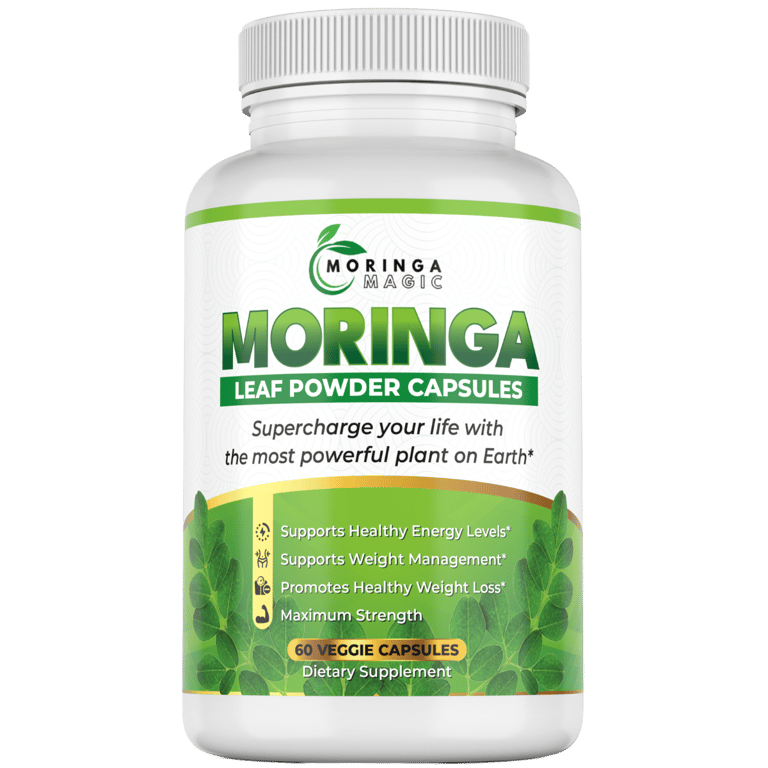
Moringa Magic™ Plant-Based Routine
- Highly bioavailable, plant-based routine designed to provide foundational nutritional support
- Helps your body optimize daily nutrient absorption and address hidden nutrient gaps
- Manufactured in a cGMP-compliant, FDA-registered facility without heavy stimulants
Beyond its verdant appearance, spinach is an excellent source of essential vitamins and minerals. It offers a spectrum of compounds that support metabolic processes and general physiological well-being. People with underlying conditions often work with a qualified healthcare professional for personalized guidance.
* Active Compounds: Vitamin K, Vitamin A (as beta-carotene), Folate, Lutein, Zeaxanthin
* Best Used For: Supporting overall nutrient intake, contributing to bone health, ocular wellness
* General Wellness Contribution: Supports cellular function and contributes to systemic balance
Incorporating Spinach Daily
Simply add a handful of fresh spinach to smoothies, salads, or lightly sautéed dishes. Cooked spinach offers a different texture and taste profile. It remains a versatile addition to almost any meal.
2. Blueberries: Nature’s Little Jewels
Blueberries are celebrated globally as a superfood, brimming with compounds that contribute to feeling well. Their historical use by indigenous peoples in North America highlights their long-standing recognition for various benefits. These small, sweet berries are far more than just a tasty snack.
The intense blue and purple colors of blueberries come from a class of phytonutrients called anthocyanins. These are powerful plant pigments that contribute to the fruit’s distinct visual appeal. They play a significant role in the berry’s overall nutritional value.
Blueberries also provide dietary fiber, which is important for digestive comfort. Their unique combination of vitamins and other plant compounds makes them a cornerstone for many seeking a plant-based wellness strategy.
* Active Compounds: Anthocyanins, Vitamin C, Manganese, Dietary Fiber
* Best Used For: Contributing to antioxidant capacity, supporting brain wellness, digestive support
* General Wellness Contribution: Helps manage oxidative processes and supports cognitive vitality
Enjoying Blueberries Regularly
Sprinkle fresh or frozen blueberries over oatmeal, yogurt, or incorporate them into baked goods. A simple handful makes a refreshing snack any time of day.
3. Chia Seeds: Ancient Grains for Modern Wellness
Chia seeds, once a staple of Aztec and Mayan diets, have seen a resurgence in popularity due to their comprehensive nutritional profile. These tiny seeds expand when hydrated, forming a gel-like consistency. This unique property contributes to their digestive benefits.
They are particularly notable for their content of omega-3 fatty acids, specifically alpha-linolenic acid (ALA). This essential fatty acid is crucial for general health. It’s often found in certain plant sources, making chia a valuable dietary addition.
Chia seeds also provide a substantial amount of dietary fiber, both soluble and insoluble. This dual fiber content assists in supporting regular digestion. It also helps in maintaining a feeling of fullness.
* Active Compounds: Omega-3 Fatty Acids (ALA), Soluble and Insoluble Fiber, Calcium
* Best Used For: Supporting cardiovascular wellness, digestive regularity, bone density contributions
* General Wellness Contribution: Contributes to metabolic health and satiety
Integrating Chia Seeds
Mix chia seeds into water or plant-based milk to create a nutritious pudding. You can also add them to smoothies, oatmeal, or as a crunchy topping for salads. Allow them to soak to activate their gel-forming properties.
4. Turmeric: The Golden Root
Turmeric, a vibrant yellow spice, holds a revered place in traditional medicine systems, particularly Ayurveda. Its use spans thousands of years, not just as a culinary ingredient but as a staple for general well-being. The active compounds in turmeric have garnered considerable scientific interest.
The primary active compound in turmeric is curcumin. This powerful polyphenol is responsible for turmeric’s distinctive color and much of its recognized wellness potential. Curcumin is often explored for its role in supporting the body’s natural inflammatory response.
While raw turmeric root can be consumed, it’s typically used in its dried, powdered form. To enhance its absorption, it’s commonly paired with black pepper, which contains piperine. This combination may help the body utilize curcumin more effectively.
* Active Compounds: Curcuminoids (especially Curcumin), Volatile Oils
* Best Used For: Supporting the body’s natural inflammatory processes, promoting antioxidant activity, digestive comfort
* General Wellness Contribution: Helps maintain cellular health and systemic balance
How to Use Turmeric
Add turmeric powder to curries, soups, or stews. A “golden milk” latte, made with plant milk, turmeric, and black pepper, is a popular way to consume it. Always remember to pair it with a pinch of black pepper.
5. Avocado: The Creamy Fruit of Wellness
Often mistaken for a vegetable, the avocado is botanically a fruit. Its rich, creamy texture and distinct flavor make it a versatile ingredient. Native to south central Mexico, avocados have been cultivated for thousands of years. They provide an abundance of unique fats and other nutrients.
Avocados are distinctive for their high content of monounsaturated fatty acids, particularly oleic acid. These healthy fats are important components of a balanced diet. They contribute to overall cardiovascular well-being.
This fruit also contains a broad spectrum of vitamins and minerals. These include Vitamin K, Vitamin C, Vitamin B6, Folate, and Potassium. The combined profile makes avocado a significant contributor to daily nutrient intake.
* Active Compounds: Monounsaturated Fats (Oleic Acid), Vitamin K, Folate, Potassium
* Best Used For: Supporting heart health, nutrient absorption, overall vitality
* General Wellness Contribution: Provides essential fatty acids and contributes to feelings of satiety
Preparing Avocado
Slice fresh avocado onto toast, in salads, or use it to make guacamole. Its creamy texture also makes it an excellent addition to smoothies for added richness and nutrition.
6. Quinoa: The Complete Protein Seed
Quinoa, pronounced “keen-wah,” is not a grain but rather a seed from a plant in the same family as spinach and beets. It was revered as “the mother grain” by the Incas and has been cultivated in the Andes for over 5,000 years. Its comprehensive amino acid profile sets it apart.
One of quinoa’s most remarkable attributes is its status as a complete protein. This means it contains all nine essential amino acids that the human body cannot produce on its own. This makes it an invaluable food for plant-based diets.
Beyond protein, quinoa offers complex carbohydrates, dietary fiber, and a range of minerals like magnesium, iron, and zinc. This nutrient density contributes significantly to sustained energy levels and general cellular maintenance.
* Active Compounds: Complete Protein, Complex Carbohydrates, Fiber, Magnesium, Iron
* Best Used For: Sustained energy, muscle maintenance, digestive health, mineral repletion
* General Wellness Contribution: Supports metabolic function and provides foundational building blocks for the body
Cooking Quinoa
Rinse quinoa thoroughly before cooking to remove saponins, which can impart a bitter taste. Cook it like rice, using a 1:2 ratio of quinoa to water or broth, until all liquid is absorbed. Serve as a side dish, in salads, or as a base for meals.
7. Ginger: The Zesty Root for Comfort
Ginger, a flowering plant whose root or rhizome is widely used as a spice and for its wellness properties, has a history spanning millennia in Asia. Its distinct pungent and spicy flavor makes it a unique addition to both sweet and savory dishes.
The primary bioactive compounds in ginger are gingerols, shogaols, and paradols. These constituents are responsible for much of ginger’s unique aroma and flavor. They also contribute to its traditional applications in wellness practices.
Ginger is commonly discussed for its ability to support digestive comfort. Many people find it soothing for the stomach and helpful in maintaining a sense of gastrointestinal balance. Research from the National Institutes of Health indicates its wide-ranging uses.
* Active Compounds: Gingerols, Shogaols, Paradols
* Best Used For: Supporting digestive comfort, promoting natural systemic balance, overall soothing effects
* General Wellness Contribution: Aids in maintaining gastrointestinal harmony and may contribute to feelings of warmth
Using Ginger Daily
Fresh ginger can be grated into teas, stir-fries, or smoothies. It also works wonderfully in marinades or even baked goods. Dried ginger powder offers a more concentrated flavor profile.
Comparative Wellness Contributions of Key Plant Foods
| Plant Food | Primary Active Compounds | Core Wellness Contribution |
|---|---|---|
| Spinach | Vitamin K, Lutein | Bone health, ocular support |
| Blueberries | Anthocyanins, Vitamin C | Antioxidant capacity, cognitive wellness |
| Chia Seeds | Omega-3 (ALA), Fiber | Heart health, digestive regularity |
| Turmeric | Curcuminoids | Natural inflammatory response support |
| Avocado | Monounsaturated Fats | Cardiovascular vitality, nutrient absorption |
| Quinoa | Complete Protein | Sustained energy, muscle maintenance |
| Ginger | Gingerols | Digestive comfort, systemic balance |
Frequently Asked Questions
Are all plant-based foods equally beneficial for wellness?
No, the benefits vary significantly based on the specific plant, its nutrient profile, and how it’s prepared. A diverse intake across different plant groups ensures a broader spectrum of wellness contributions.
Can I get enough protein on a plant-based diet?
Yes, a well-planned plant-based diet can easily provide adequate protein. Foods like quinoa, lentils, beans, nuts, and seeds offer substantial protein content. Combining different plant proteins throughout the day helps ensure all essential amino acids are consumed.
What if I have dietary restrictions or allergies to some of these foods?
If you have specific dietary restrictions, allergies, or underlying health conditions, it’s always best to work with a qualified healthcare professional. They can provide personalized guidance and help identify suitable alternative plant-based foods to meet your wellness goals.
How quickly can one expect to feel benefits from integrating more plant-based foods?
Individual responses vary, but many people report feeling a difference in energy levels, digestive comfort, and overall vitality within a few weeks of consistently increasing their intake of whole, plant-based foods. Consistency is key for observable changes.
The Bottom Line
Integrating a variety of plant-based foods into your daily diet offers a powerful pathway to enhanced wellness. Each food, from the leafy green spinach to the zesty ginger, provides unique compounds that contribute to overall physical and mental well-being. Focusing on these whole, unprocessed ingredients can foster a greater sense of balance and sustained vitality. To begin your journey, choose one new plant-based food to try each week.
Get Your FREE Natural Health Guide!
Subscribe now and receive our exclusive ebook packed with natural health tips, practical wellness advice, and easy lifestyle changes, delivered straight to your inbox.