

Embracing Calm: Natural Herbal Support for Daily Well-being
In our complex modern lives, finding moments of tranquility can feel like a genuine quest. Many individuals seek natural pathways to cultivate a greater sense of peace and composure.
Traditional botanical wisdom offers a rich array of plants long associated with supporting a serene outlook. Exploring these options provides an opportunity to integrate ancient practices with contemporary wellness goals.
Understanding how specific botanicals may contribute to feelings of calm can empower you to make informed choices. This guide delves into ten soothing herbs widely recognized for their potential to foster relaxation.
The Ancient Roots of Herbal Support
The practice of using plants for comfort and wellness extends back millennia across diverse cultures. Ancient civilizations intuitively recognized the profound connection between nature and human well-being.
From indigenous Amazonian tribes to European monasteries, various plants became integral to daily rituals and health practices. These traditions often involved infusions, poultices, or aromatic applications.
Observational knowledge accumulated over generations guided the selection of specific herbs for distinct purposes. This historical context forms the foundation of modern botanical interest.
Understanding How Herbs May Offer Comfort
Many herbs contain complex arrays of natural compounds often referred to as phytochemicals. These substances are naturally occurring in plants and contribute to their unique properties.
When consumed or used topically, these botanical constituents may interact with the body’s internal systems. This interaction is often discussed in the context of promoting feelings of balance and relaxation.
It’s important to remember that such effects are generally gentle and supportive, complementing the body’s natural capacities. People often explore these herbs as part of a broader wellness strategy.
Individuals exploring herbal options often find them to be a welcome addition to a lifestyle focused on overall well-being. Always discuss any significant changes to your wellness routine with a qualified healthcare professional.
10 Soothing Herbs for a Tranquil Mind
1. Chamomile (Matricaria recutita)
Chamomile stands as one of the most widely recognized herbs for promoting relaxation. Its delicate flowers have been steeped in tea for centuries, cherished for their mild, apple like aroma.
The herb contains compounds such as apigenin, which are often discussed for their potential interaction with certain neural pathways. This interaction is generally associated with encouraging a peaceful and settled feeling.
Traditional uses often include winding down before sleep or easing everyday tensions. Many people find a warm cup of chamomile tea to be a comforting evening ritual.
Historically, chamomile was also used topically for skin soothing applications. Its widespread use underscores its gentle, supportive nature in various wellness practices.
- Active Compounds: Apigenin, bisabolol, chamazulene
- Primary Focus: Promoting relaxation, encouraging restful sleep
- Traditional Approach: Infused teas, essential oil diffusion
Integrating Herbal Wellness
Many individuals choose to enjoy chamomile in a comforting herbal tea format. Others may explore standardized liquid extracts after consulting with a knowledgeable professional.
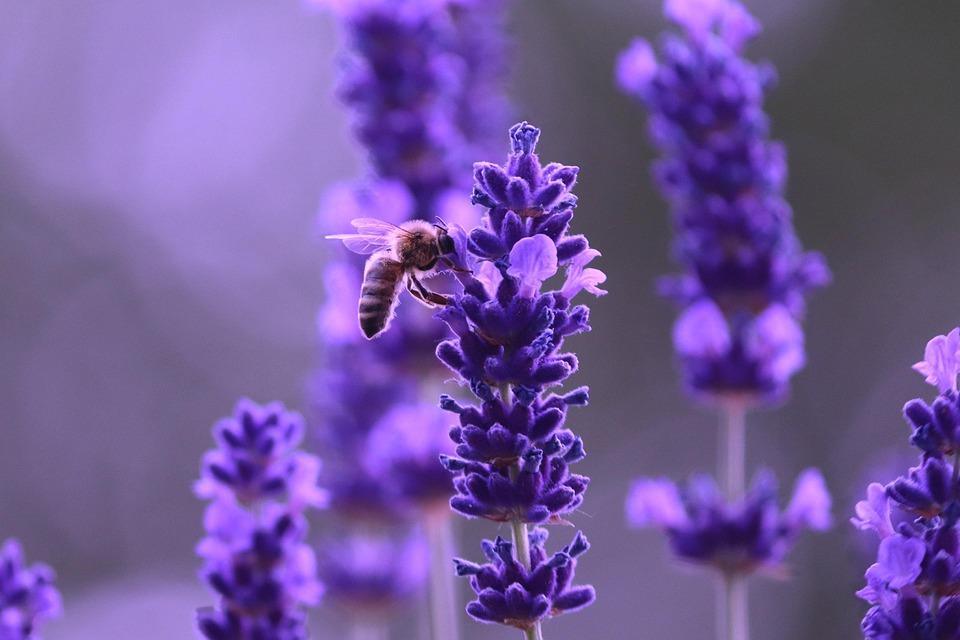
2. Lavender (Lavandula angustifolia)
The distinctive fragrance of lavender is almost universally recognized for its calming properties. This aromatic herb has been used for relaxation since ancient Roman times.
Lavender’s essential oil contains compounds like linalool and linalyl acetate, which are thought to contribute to its soothing aroma. These volatile compounds are released when the plant material is warmed or diffused.
People commonly use lavender in aromatherapy practices to create a serene environment. The scent is often associated with a reduction in daily stress and a greater sense of calm.
Beyond its aromatic applications, some cultures have historically used lavender in culinary preparations and topical applications for its gentle nature. It’s a versatile herb for enhancing tranquility.
- Active Compounds: Linalool, linalyl acetate, camphor
- Primary Focus: Aromatic relaxation, stress reduction
- Traditional Approach: Essential oil diffusion, baths, topical massage blends
Considering Herbal Forms
Lavender essential oil can be diffused or added to a warm bath for a calming experience. People also use lavender sachets near pillows to encourage a tranquil atmosphere.
3. Lemon Balm (Melissa officinalis)
Lemon balm, a member of the mint family, carries a bright, citrusy scent and flavor. It has been cultivated for over 2,000 years, primarily in Europe and the Mediterranean region, for its uplifting yet calming attributes.
This herb contains compounds such as rosmarinic acid and terpenes, which are explored for their influence on a sense of well-being. These constituents are often discussed in relation to supporting a balanced mood.
Traditional use of lemon balm often involved teas to promote relaxation and soothe occasional digestive upset. It’s considered a gentle herb suitable for various ages.
Many individuals find the subtle lemony notes of this herb refreshing while simultaneously contributing to feelings of composure. It is a favorite for those seeking a mild, pleasant herbal aid.
- Active Compounds: Rosmarinic acid, citronellal, eugenol
- Primary Focus: Mood support, promoting a sense of calm and focus
- Traditional Approach: Herbal teas, tinctures
Daily Ritual Exploration
Lemon balm is commonly enjoyed as a refreshing tea, either hot or cold. Liquid extracts are also available and can be discussed with a qualified healthcare professional for personalized guidance.
4. Passionflower (Passiflora incarnata)
Passionflower is a beautiful climbing vine native to the southeastern United States and Central and South America. Its intricate flowers inspired missionaries to name it after the passion of Christ.
Botanically, passionflower contains a variety of compounds including flavonoids and alkaloids. These constituents are thought to contribute to the plant’s traditional association with promoting a tranquil state.
Historically, indigenous cultures used passionflower for its relaxing properties and to aid in unwinding at the end of the day. European herbalists later adopted it for similar purposes.
People exploring passionflower often seek its support for easing nervous tension and promoting restful periods. It’s generally considered a gentle option for supporting peace of mind.
- Active Compounds: Flavonoids (e.g., vitexin), indole alkaloids (e.g., harman)
- Primary Focus: Calming nervous energy, encouraging peaceful sleep
- Traditional Approach: Teas, tinctures, capsules
Considering Wellness Options
Passionflower can be consumed as a tea or utilized in standardized extract forms. People with underlying conditions often work with a qualified healthcare professional for personalized guidance.
5. Ashwagandha (Withania somnifera)
Ashwagandha is a revered adaptogenic herb in Ayurvedic tradition, an ancient Indian system of medicine. It has been used for over 3,000 years to help the body maintain balance.
As an adaptogen, ashwagandha is associated with supporting the body’s natural ability to manage stress. Its active compounds, called withanolides, are extensively studied for their unique properties.
Traditional uses include promoting vitality, supporting resilience, and encouraging a sense of calm despite daily challenges. It doesn’t typically cause drowsiness but helps normalize the body’s response systems.
This root is often a cornerstone for those seeking sustained well-being and a more composed outlook. Its gentle yet profound influence makes it a popular choice in modern herbalism.
- Active Compounds: Withanolides
- Primary Focus: Stress adaptation, promoting resilience, supporting energy levels
- Traditional Approach: Powdered root in milk or water, capsules, tinctures
Integrating Daily Support
Ashwagandha root powder can be blended into smoothies or warm beverages. Standardized extracts are also popular for consistent consumption.
6. Rhodiola Rosea (Golden Root)
Rhodiola rosea is another powerful adaptogen, found in the cold, mountainous regions of Europe and Asia. It has a long history of use in Russian and Scandinavian traditional medicine.
The herb contains active compounds such as rosavins and salidrosides. These constituents are often discussed for their role in supporting physical and mental endurance.
Traditional applications focused on enhancing stamina, supporting focus, and aiding in recovery from demanding periods. It helps the body respond to various forms of stress.
Many individuals turn to rhodiola to help maintain composure during periods of high demand and to support cognitive clarity. It’s valued for its potential to help sustain a balanced mood.
- Active Compounds: Rosavins, salidrosides
- Primary Focus: Stress resilience, energy support, mental endurance
- Traditional Approach: Extracts, capsules
Considering Wellness Routines
Rhodiola is typically consumed in capsule or liquid extract form. It’s always beneficial to discuss any new supplement with a qualified healthcare professional.
7. Holy Basil (Ocimum sanctum or Tulsi)
Holy Basil, known as Tulsi in India, is an esteemed herb in Ayurveda, revered for its spiritual and medicinal properties. It’s often grown in homes and temples for its purifying influence.
Like ashwagandha, Holy Basil is considered an adaptogen, containing compounds such as eugenol, rosmarinic acid, and ocimumosides. These contribute to its supportive qualities.
Traditional uses include promoting mental clarity, supporting a positive mood, and helping the body adapt to various stressors. It’s known for its ability to foster a sense of inner peace.
The herb’s slightly spicy, aromatic leaves are often brewed into a comforting tea. Many people explore Holy Basil for its ability to encourage tranquility throughout the day without sedation.
- Active Compounds: Eugenol, rosmarinic acid, ocimumosides
- Primary Focus: Stress adaptation, mental clarity, spiritual well-being
- Traditional Approach: Herbal tea, capsules, fresh leaves
Daily Incorporation
Holy Basil tea is a popular way to enjoy this herb. Extracts and capsules are also available for those seeking consistent support.
8. Valerian Root (Valeriana officinalis)
Valerian root has a long history of use dating back to ancient Greece and Rome. It’s primarily recognized for its potent influence on promoting deep relaxation and restful sleep.
The root contains a complex blend of compounds, including valerenic acid and valepotriates. These constituents are often associated with supporting the body’s natural unwinding processes.
Traditional use often centered on individuals seeking help with occasional sleeplessness or intense nervous feelings. Its effects are generally more pronounced than milder calming herbs.
Due to its distinct aroma and strong effects, Valerian is typically consumed as a supplement or tea before bedtime. Many find it invaluable for encouraging a peaceful night.
- Active Compounds: Valerenic acid, valepotriates, iridoids
- Primary Focus: Promoting deep relaxation, encouraging restful sleep
- Traditional Approach: Teas, tinctures, capsules
Considering Nighttime Support
Valerian root is most commonly consumed as a tea or in capsule form when seeking nighttime support. It is generally not recommended for daytime use due to its potential to cause drowsiness.
9. Magnolia Bark (Magnolia officinalis)
Magnolia bark has been a staple in traditional Chinese and Japanese herbalism for thousands of years. It’s valued for its influence on promoting a calm and centered state.
The bark contains active compounds like magnolol and honokiol. These constituents are extensively discussed for their potential interaction with various neural receptors, supporting a balanced mood.
Traditional applications often involved addressing feelings of worry and tension. It’s also explored for its potential to help regulate daily stress responses.
Magnolia bark is often sought by those looking for natural support to maintain emotional equilibrium and foster a serene outlook. It offers a unique profile among calming botanicals.
- Active Compounds: Magnolol, honokiol
- Primary Focus: Mood balance, supporting relaxation, easing tension
- Traditional Approach: Decoctions, extracts, capsules
Exploring Herbal Extracts
Magnolia bark is primarily available in extract or capsule form. People interested in this herb often seek professional guidance for appropriate integration into their wellness plan.
10. California Poppy (Eschscholzia californica)
California Poppy, the state flower of California, has a history of use among indigenous peoples for its gentle calming properties. It is much milder than its opiate cousin.
This beautiful plant contains a unique blend of alkaloids, including protopine and allocryptopine. These compounds are explored for their potential to foster a sense of tranquility.
Traditional uses include promoting relaxation and easing restless feelings, particularly before sleep. It’s considered a gentle, nonhabit forming option for promoting peace.
Many individuals appreciate California Poppy for its mild, supportive qualities in encouraging a calm mind and body. It’s often used when a gentle nudge towards relaxation is desired.
- Active Compounds: Protopine, allocryptopine, sanguinarine
- Primary Focus: Gentle relaxation, easing restlessness, encouraging restful sleep
- Traditional Approach: Tinctures, teas (from dried plant material), capsules
Considering Gentle Support
California Poppy is commonly found in tinctures or capsules. It can be a gentle addition to an evening routine when seeking a subtle calming influence.
A Comparative Look at Gentle Herbal Allies
Understanding the distinct characteristics of these soothing herbs can help in making informed choices. Each offers a unique approach to fostering a calm demeanor and supporting well-being.
While many share the goal of relaxation, their primary mechanisms and traditional applications vary. This table provides a quick reference to their key attributes.
Remember that this information is educational and not a substitute for medical advice. People with underlying conditions often work with a qualified healthcare professional for personalized guidance.
| Herb | Primary Benefit Focus | Traditional Use Highlights |
|---|---|---|
| Chamomile | General relaxation, gentle sleep aid | Evening tea for calm, digestive comfort |
| Lavender | Aromatic relaxation, stress reduction | Diffusion, baths, topical application |
| Lemon Balm | Mood uplift, focused calm | Tea for emotional well-being, digestive soothing |
| Passionflower | Calming nervous energy, sleep support | Unwinding before rest, easing tension |
| Ashwagandha | Stress adaptation, resilience | Vitality, composure, balancing stress response |
| Rhodiola Rosea | Energy, endurance, mental clarity under stress | Stamina, focus, adapting to demands |
| Holy Basil | Stress adaptation, spiritual well-being | Inner peace, mental balance, immune support |
| Valerian Root | Deep relaxation, strong sleep aid | Occasional sleeplessness, intense nervous feelings |
| Magnolia Bark | Mood balance, easing tension | Promoting equilibrium, calm demeanor |
| California Poppy | Gentle relaxation, easing restlessness | Mild sleep support, soothing nervous feelings |
Exploring Wise Integration
Integrating herbs into your wellness journey is a personal process. It often involves understanding your own body’s responses and discussing options with knowledgeable professionals.
Starting with a single herb at a time can help you observe its specific influences. Quality is also paramount when selecting herbal preparations, as standardized extracts often ensure consistency.
Lifestyle factors, including adequate sleep, balanced nutrition, and regular movement, play a crucial role in overall well-being. Herbs can complement these foundational practices effectively.
Research from the National Institutes of Health indicates the importance of comprehensive approaches to managing stress. Herbs offer a piece of this broader puzzle.
Frequently Asked Questions
Can I combine different calming herbs?
Some people explore combinations of herbs that work synergistically. For example, chamomile and lemon balm are often used together in teas. However, it is always wise to discuss such combinations with a qualified healthcare professional to ensure they align with your individual needs and health profile.
How long does it typically take to experience the effects of these herbs?
The time it takes to notice effects can vary greatly depending on the individual, the herb, and the form of preparation. Some herbs, like chamomile tea, may offer immediate gentle relaxation. Adaptogenic herbs like ashwagandha or rhodiola are generally understood to provide more gradual, cumulative support over weeks of consistent use.
Are these herbs safe for everyone?
While generally considered gentle, not all herbs are suitable for every individual. Some herbs may interact with certain medications or are not recommended during pregnancy or lactation. People with underlying health conditions should always consult with a qualified healthcare professional before incorporating any new herb into their routine.
What form of herbal preparation is most effective?
The effectiveness often depends on the herb and the desired outcome. Teas offer a gentle, traditional approach. Tinctures and standardized capsules often provide a more concentrated and consistent delivery of active compounds. Discussing different forms with a knowledgeable professional can help you choose what best suits your wellness goals.
The Bottom Line
The botanical world offers a compelling array of traditional remedies for those seeking to cultivate a calmer state of mind. Embracing the wisdom of herbs can be a meaningful step toward enhancing your daily well-being.
These natural allies may gently support your body’s innate capacity for relaxation and resilience. They provide a testament to nature’s profound ability to offer comfort and balance.
Consider exploring one or more of these soothing herbs as part of a holistic approach to nurturing your peace of mind. Seek personalized guidance from a qualified healthcare professional to determine the best path for your unique situation.
Get Your FREE Natural Health Guide!
Subscribe now and receive our exclusive ebook packed with natural health tips, practical wellness advice, and easy lifestyle changes, delivered straight to your inbox.






