

Optimizing Recovery: Natural Solutions for Muscle Recovery
Intense physical activity introduces a unique set of demands on the body. After a challenging workout or strenuous day, muscle recovery becomes a primary focus for many people seeking to maintain an active lifestyle and support their general well-being.
The body undergoes a natural process of adaptation and renewal following exertion. Supporting this process through thoughtful natural strategies can contribute significantly to overall comfort and readiness for future activity.
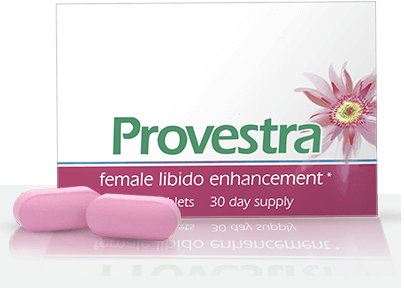
Provestra™ Women's Vitality Formula
- 100% herbal daily formula designed to support foundational female health and natural intimate wellness
- Provides botanical support for physical comfort, natural moisture, and emotional balance
- Doctor-approved capsule manufactured in a cGMP-compliant facility without synthetic hormones
Exploring various natural solutions for muscle recovery allows individuals to develop personalized approaches that align with their wellness goals. This guide unpacks seven foundational natural remedies, offering insights into their historical context and how they may contribute to a feeling of restoration.
1. Prioritizing Quality Sleep
Sleep is not merely a period of inactivity; it is a vital process where the body dedicates resources to numerous restorative functions. During deep sleep cycles, the body focuses on many essential processes that support physical structures and general vitality.
For centuries, the restorative power of adequate rest has been recognized across cultures as fundamental to health. A consistent sleep schedule can help anchor the body’s natural rhythms, creating a predictable environment for its renewal activities.
Disruptions to sleep can interfere with these natural processes, potentially affecting how one feels physically and mentally. Ensuring sufficient, uninterrupted sleep is often considered a cornerstone for anyone engaged in regular physical activity.
- Core Principle: Restorative bodily processes.
- Best Used For: Overall physical and mental feeling of renewal.
- Associated Wellness Benefit: Supports the body’s natural capacity for broad recovery and energy.
Establishing a Restful Routine
Aim for seven to nine hours of quality sleep nightly, prioritizing a consistent bedtime and wake-up schedule, even on weekends.
2. Strategic Nutritional Support with Protein
Protein stands as a fundamental macronutrient, playing a key role in the structural integrity of the body. It consists of amino acids, which are often described as the building blocks for various tissues, including muscle tissue.
After physical exertion, the body’s protein needs can shift as it works to maintain and support existing structures. Consuming adequate protein provides the necessary components for these natural adaptive processes.
Sources of protein are diverse, ranging from lean meats and poultry to fish, eggs, dairy, and plant-based options like legumes, nuts, and seeds. The timing and distribution of protein intake throughout the day can also be a consideration for many active individuals.
- Core Principle: Providing structural components.
- Best Used For: Supporting the body’s physical structures and general physiological maintenance.
- Associated Wellness Benefit: Contributes to the feeling of physical integrity and readiness.
Integrating Protein Intake
Incorporate a serving of high-quality protein with each meal and snack to support consistent availability of amino acids.
3. Maintaining Electrolyte Balance
Electrolytes are essential minerals that carry an electric charge when dissolved in body fluids. They include sodium, potassium, calcium, and magnesium, each playing a part in general bodily functions.
During physical activity, especially when sweating profusely, the body can lose electrolytes along with water. Maintaining a proper balance of these minerals is often discussed in the context of supporting hydration and fluid balance.
An imbalance in electrolytes can sometimes be associated with a feeling of muscle discomfort or fatigue. Replenishing these vital minerals is a common strategy for individuals engaging in prolonged or intense exercise.
- Core Principle: Mineral-dependent physiological equilibrium.
- Best Used For: Supporting proper hydration and various bodily functions.
- Associated Wellness Benefit: Contributes to a feeling of fluid balance and general comfort.
Electrolyte Replenishment Approach
Drink water and consume electrolyte-rich foods such as bananas, avocados, leafy greens, and coconut water, especially after vigorous activity.
4. Exploring Cold Water Immersion
The practice of cold water immersion, often in the form of cold baths or showers, has been used for centuries across different cultures. Its appeal lies in the immediate sensory experience and the feeling of invigoration it can provide.
Proponents often discuss cold exposure as a way to “wake up” the body and contribute to a sense of comfort after physical strain. The initial shock of cold water gives way to a feeling of freshness and sometimes a pleasant tingle.
While the precise mechanisms are complex, the general idea is that the cold sensation can help people feel more refreshed and support their natural return to a comfortable state. It’s a method many athletes and active individuals integrate into their routines.
- Core Principle: Sensory experience and invigoration.
- Best Used For: Promoting a feeling of refreshment and comfort after exertion.
- Associated Wellness Benefit: Supports the body’s natural comfort responses and a sense of vitality.
Cold Exposure Guidance
Engage in a cold shower or bath for 5-10 minutes post-workout, allowing the body to gradually acclimate to the temperature.
5. Engaging in Gentle Active Recovery
Unlike complete rest, active recovery involves light, low-intensity exercise performed after more strenuous activity. This could include a gentle walk, easy cycling, or light stretching.
The goal of active recovery is to support a sense of mobility and general comfort without adding further stress to the body. It differs from intense exercise by focusing on very mild movement.
Historically, indigenous cultures often incorporated light physical activity into daily life, even after periods of exertion. This continuous, gentle movement was associated with maintaining overall physical well-being.
- Core Principle: Gentle movement for comfort.
- Best Used For: Supporting a sense of mobility and ease after strenuous activity.
- Associated Wellness Benefit: Contributes to feeling more flexible and ready for subsequent activity.
Active Recovery Implementation
Perform 15-30 minutes of low-intensity exercise, such as walking or cycling, the day after a challenging workout to support mobility.
6. Incorporating Specific Botanicals: Curcumin
Curcumin, the primary active compound in the spice turmeric, has a long history of use in traditional health practices, particularly in Ayurvedic medicine. It is often recognized for its broad wellness properties.
The popularity of curcumin in modern natural health discussions stems from its general support for the body’s comfort systems. People often explore curcumin for its potential to contribute to a feeling of ease.
When considering curcumin, bioavailability is a key factor. Some forms are specifically prepared to enhance absorption, ensuring the body can utilize the compound effectively. This is an important distinction to consider for those seeking its benefits.
- Active Compound: Curcuminoids (from Turmeric).
- Best Used For: General wellness and supporting the body’s comfort responses.
- Associated Wellness Benefit: May contribute to a feeling of physical comfort and ease.
Botanical Integration Protocol
Individuals exploring botanicals may discuss with a qualified healthcare professional the use of a standardized curcumin extract, often with enhanced absorption formulations.
7. Utilizing Magnesium for Comfort
Magnesium is an abundant mineral involved in hundreds of biochemical reactions throughout the body. Its widespread roles make it a frequently discussed nutrient in overall health and well-being.
Many people find that magnesium contributes to a general sense of relaxation and comfort. It’s often explored by individuals seeking support for muscle function and a feeling of calm.
Dietary sources of magnesium include leafy green vegetables, nuts, seeds, legumes, whole grains, and dark chocolate. Despite its prevalence, some people find they benefit from ensuring adequate intake, especially those with active lifestyles. Research from the National Institutes of Health provides more details on this essential mineral.
- Core Principle: Essential mineral with broad bodily roles.
- Best Used For: Supporting muscle comfort and general relaxation.
- Associated Wellness Benefit: Contributes to a feeling of ease and physical equilibrium.
Magnesium Intake Considerations
Consider incorporating magnesium-rich foods into your diet, or discuss with a qualified healthcare professional about appropriate forms of magnesium for personal wellness goals.
Comparative Overview of Natural Recovery Methods
Understanding the varied approaches to muscle comfort and restoration can help in selecting the most suitable methods for an individual’s needs. Each strategy offers distinct benefits and can be integrated into a comprehensive wellness plan.
| Method | Primary Approach | Key Benefit Focus |
|---|---|---|
| Quality Sleep | Full bodily restoration | Overall renewal and energy |
| Strategic Protein | Structural support | Physical integrity and maintenance |
| Electrolyte Balance | Mineral and fluid equilibrium | Hydration and general function |
| Cold Water Immersion | Sensory invigoration | Refreshing comfort post-activity |
| Active Recovery | Gentle physical movement | Sense of mobility and ease |
| Curcumin | Botanical comfort support | Feeling of physical ease |
| Magnesium | Essential mineral support | Muscle comfort and relaxation |
This information is educational and not a substitute for medical advice. People with underlying conditions often work with a qualified healthcare professional for personalized guidance.
Frequently Asked Questions
Can specific foods really impact how fast muscles feel restored?
Yes, particular foods, especially those rich in protein, essential minerals like magnesium, and general nutrients, are often discussed as contributors to supporting the body’s natural capacity for physical renewal. Adequate nutrition provides the building blocks and energy needed for these processes.
Is cold water immersion suitable for everyone after a workout?
Cold water immersion is a personal preference. While many find it invigorating and helpful for a sense of comfort, individuals should assess their own tolerance and discuss with a healthcare professional if they have any underlying health considerations before trying new methods.
How does sleep specifically contribute to physical well-being after exercise?
During sleep, the body focuses on many essential functions that support overall health and physical comfort. Adequate rest is widely considered fundamental for feeling physically renewed and energized for daily activities, including subsequent physical training.
When should someone consider incorporating botanicals like curcumin into their wellness routine?
Individuals often explore botanicals like curcumin when seeking general support for the body’s comfort systems and overall well-being. It’s always advisable to discuss any new additions to a wellness routine with a qualified healthcare professional, especially when managing an active lifestyle.
The Bottom Line
Supporting the body’s natural capacity for recovery after physical activity is a multifaceted endeavor. The strategies outlined here, from optimizing sleep to integrating targeted nutrition and specific botanicals, offer pathways to enhance overall well-being.
Each natural approach contributes uniquely to a feeling of comfort and readiness. Understanding these options empowers individuals to create a personalized recovery regimen that aligns with their unique needs and active lifestyle.
Take time to assess which of these natural strategies resonate most with your body’s responses. A gradual and consistent integration of these practices can support your physical journey and contribute to a sustained sense of vitality.
Get Your FREE Natural Health Guide!
Subscribe now and receive our exclusive ebook packed with natural health tips, practical wellness advice, and easy lifestyle changes, delivered straight to your inbox.





