
Addressing Extreme Diffuse Thinning All Over Scalp Through Holistic Wellness
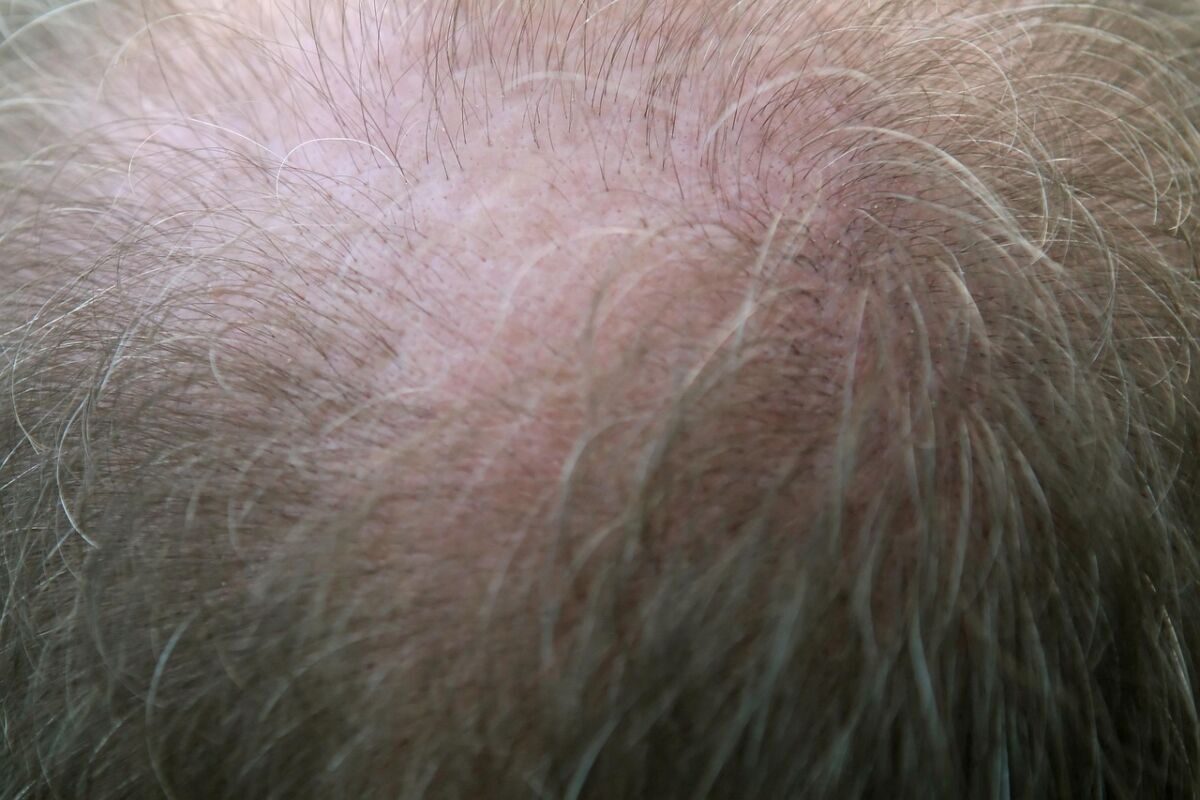
Many individuals observe a subtle change when their hair brush holds more strands than usual or when a part line appears wider under bright light. This transition often manifests as a general reduction in density rather than a localized bald spot. Understanding why this occurs requires looking at the interconnected nature of systemic health and follicle integrity.
Extreme diffuse thinning all over scalp often stems from shifts in internal resource allocation, stress responses, or fluctuating nutrient levels. While the trend can feel unsettling, identifying the potential environmental or systemic triggers serves as the first stage in managing the situation.
Extreme diffuse thinning all over scalp is a widespread reduction in hair density across the entire head, typically linked to internal factors like nutrient gaps, hormonal shifts, or chronic high stress levels. Research from the National Library of Medicine suggests that acute stressors can force follicles into a resting state prematurely. Addressing these underlying contributors often helps restore normal growth cycles over time.
Key Takeaways
- Density Reduction: A loss of 50 to 100 hairs per day is considered typical, but significant increases in shedding can indicate a systemic imbalance.
- Growth Cycles: Follicles remain in a resting phase for approximately 3 months following a major physiological trigger before shedding occurs.
- Nutrient Roles: Studies highlight that ferritin levels below 30 ng/mL often correlate with increased shedding intensity.
Evaluating Systemic Triggers Of Extreme Diffuse Thinning All Over Scalp
Hair follicles are sensitive barometers of overall wellness. When the body encounters sustained pressure, it often diverts nutrients away from non-essential functions like hair production toward critical organs. Recognizing this pattern is essential for long term management.
| Category | Potential Impact | Focus Area |
|---|---|---|
| Nutrient Levels | Low mineral storage | Iron and ferritin |
| Stress Markers | Cortisol elevation | Recovery periods |
| Inflammatory State | Cellular response | Systemic wellness |
Common Factors In Hair Density Changes
Identifying the specific root of the issue helps determine the best approach for individual support. Consider these frequently observed contributors to overall volume loss.
- Nutrient Deficiencies: Inadequate intake of iron, zinc, or essential proteins directly impacts the ability of the body to produce healthy keratin.
- Metabolic Shifts: Fluctuations in endocrine function can alter the speed of the hair growth cycle.
- Systemic Stress: High tension environments trigger a surge in signaling chemicals that force follicles into early transition phases.
Strategic Application Of Nutrient Support
Achieving balance requires a focus on consistent intake rather than temporary fixes. Many find that monitoring specific biological markers provides a clearer roadmap for dietary adjustments. Research from the National Institute on Aging explains how skin and hair integrity depend on hydration and systemic mineral availability.
Focus on incorporating a diverse array of whole foods rich in micronutrients. Aim for a balanced intake of leafy greens, high quality proteins, and healthy fats that support stable internal chemistry. Consistency matters more than intensity during this phase of observation.
Demonstrating A Structured Support Routine
Building a sustainable routine involves observing how small habits affect overall well-being. This decision framework helps categorize daily actions into meaningful buckets for steady improvement.
- Prioritize Sleep Hygiene: Establish a cooling down period in the evening to lower systemic arousal markers.
- Audit Dietary Intake: Track the consumption of trace minerals to ensure baseline requirements are consistently met.
- Manage Environmental Stress: Implement daily intervals of calm to modulate the internal response to external pressure.
Frequently Asked Questions
How does chronic stress impact hair health?
Chronic stress triggers the release of hormones that influence the entire biological system. These signals can disrupt the normal transition of hair follicles from growth to rest, leading to higher rates of shedding across the scalp.
When the body remains in a heightened state of alertness, it prioritizes energy for survival rather than tissue maintenance. This shift often results in thinner strands and reduced density as the hair cycle becomes uncoupled from its natural rhythm.
Can diet influence scalp density?
Nutrient availability serves as the foundation for all cell production in the body. When intake does not match demand, the body reserves resources for vital organs, which can leave follicles struggling to maintain structure.
Ensuring an adequate supply of proteins and minerals like zinc is fundamental for health. Data from the National Academies indicates that balanced micronutrient profiles support consistent growth and repair cycles throughout the body.
When should an individual seek professional evaluation?
If thinning appears rapid or is accompanied by other physical symptoms like fatigue or skin irritation, a professional evaluation is useful. Experts can help rule out underlying conditions that require more than simple wellness adjustments.
A provider can facilitate blood panels to check for specific mineral deficiencies or hormonal imbalances. Never stop or change any medication without consulting the provider who recommended it.
Does physical exercise help with thinning?
Movement supports circulation and helps modulate stress levels, which are both positive for overall health. By improving blood flow and lowering anxiety, exercise creates a better environment for systemic function.
Over-exercising or neglecting recovery, however, can introduce physical stress that worsens the situation. Balance remains the most important factor in utilizing exercise as a tool for health.
Are supplements helpful for density?
Supplements can bridge the gap when dietary intake is insufficient for the specific needs of the body. They function best when used to address identified deficiencies rather than as a general solution for all issues.
Quality and bioavailability vary between options. It is essential to focus on high-quality ingredients and to confirm that the selected items align with current health goals through professional consultation.
The Bottom Line
Managing extreme diffuse thinning all over scalp requires a focus on internal systemic health rather than just surface-level interventions. By identifying and addressing underlying contributors like nutrient gaps, stress, and metabolic shifts, one can encourage the natural growth process of the hair.
Focus on consistent lifestyle choices that support long-term wellness. Start by reviewing your current nutrient intake and stress management practices to identify the most significant areas for improvement. Consult a licensed healthcare provider before starting any new wellness routine.
The Trust Boundary: This information is for educational purposes only and does not constitute medical advice. Individuals with underlying health conditions or those currently under medical care should not use this guidance as a substitute for professional oversight. Consult a licensed healthcare provider before starting any new wellness routine.
Get Your FREE Natural Health Guide!
Subscribe now and receive our exclusive ebook packed with natural health tips, practical wellness advice, and easy lifestyle changes, delivered straight to your inbox.