
Molecularly Distilled vs Cold-Pressed Fish Oil Explained for Better Health
I often wake up and reach for my morning supplements, wondering about the integrity of the oil contained in those softgels. The world of omega-3 fatty acids feels crowded with jargon that makes it difficult to choose the right source for daily support. Understanding the processing methods behind these oils creates a clearer path toward informed wellness decisions.
While many labels boast about purity, the methods used to extract these fats vary in their impact on the final product. Some techniques emphasize intense heat and chemical refinement to remove impurities, while others prioritize mechanical pressure to keep the oil close to its original state. Choosing between these options depends on your goals for quality and freshness.
Molecularly distilled vs cold-pressed fish oil represents a choice between high-heat purification that removes heavy metals and mechanical pressing that preserves natural nutrient profiles. Molecular distillation effectively separates contaminants from oils to ensure purity, whereas cold-pressing relies on gentle pressure to extract lipids without high temperatures. Most individuals find success by balancing the need for contaminant removal with the desire for less processed ingredients.
Key Takeaways
- Molecular distillation can reduce environmental toxins like mercury and PCBs by over 90 percent through vacuum-based heat separation.
- Cold-pressed oils often retain higher levels of naturally occurring minor lipids, though they carry a higher risk of containing residual heavy metals if the source fish are not tested.
- Omega-3 concentration in distilled products frequently reaches 60 to 90 percent, while cold-pressed versions typically reflect the natural profile of the fish at 15 to 30 percent.
The Science Of Heavy-Metal Removal
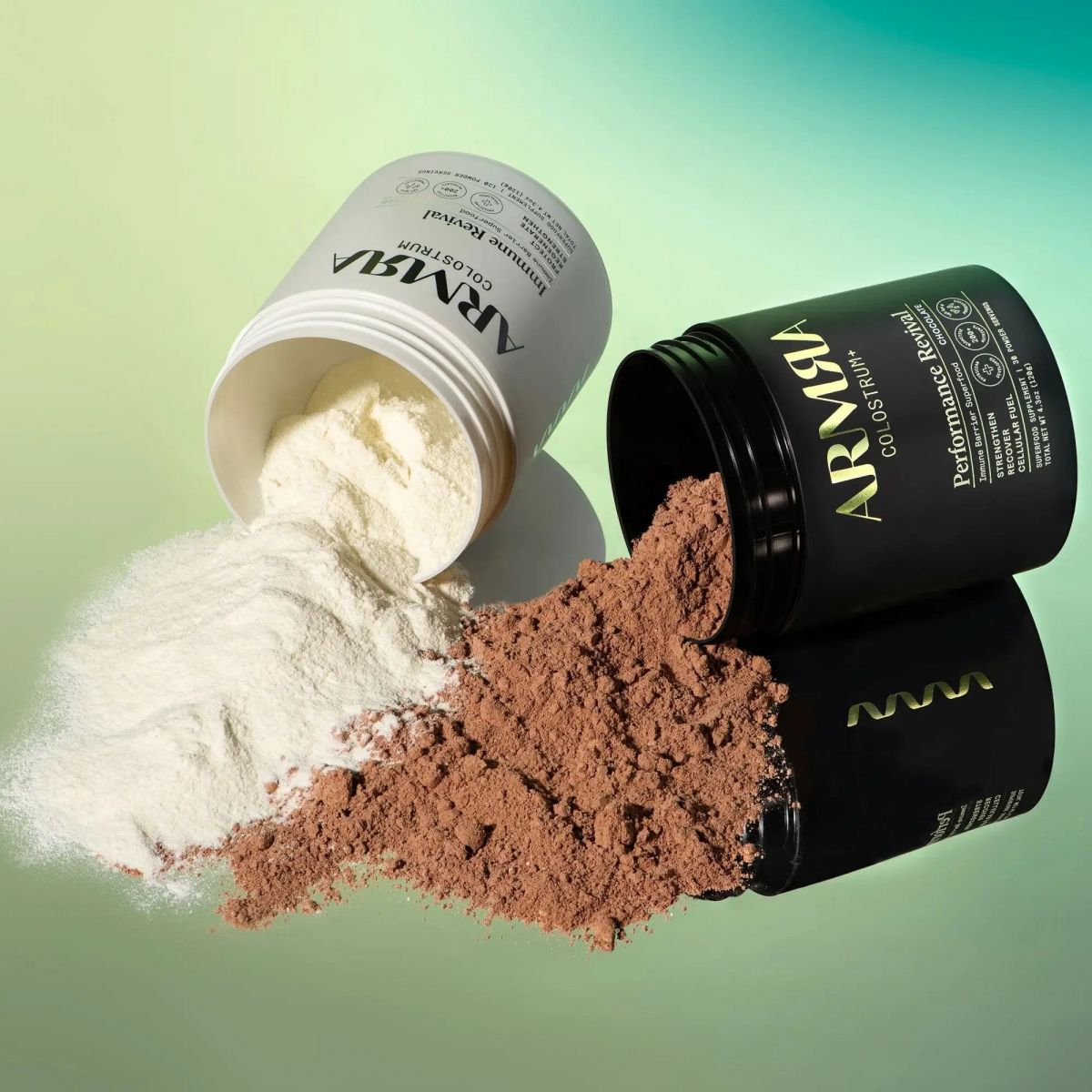
ARMRA Colostrum™ Foundational Support
- Designed to provide foundational nutritional support for overall bodily wellness and daily vitality
- Helps fortify the body's natural mucosal barriers against everyday environmental stressors
- Responsibly sourced and manufactured to optimize nutrient absorption without synthetic additives
The primary reason for using intense refinement methods is the reality of our current oceanic conditions. Industrial contaminants settle into the fatty tissues of small and large marine species alike. According to data from the Food and Drug Administration, certain fish carry levels of mercury that require careful management. Distillation acts as a shield by pulling these unwanted substances away from the beneficial fats.
The process involves subjecting the oil to low pressure and controlled heat. This causes the fatty acids to evaporate and condense separately from the heavier contaminants. Because this happens in a vacuum, the oil does not face the same damage that would occur from boiling it in an open environment.
Evaluating Cold-Pressed Integrity Standards
Cold-pressed extraction represents a more traditional approach to lipid collection. Machines exert pressure on raw fish materials to release the oils. This method avoids the high temperatures that characterize distillation. Proponents argue this keeps the oil in a stable, recognizable state for the human body.
The lack of heat prevents the breakdown of delicate molecular bonds. However, the absence of high-temperature refinement means the product contains exactly what the fish contained. Quality control for these products relies on selecting pristine water sources rather than using chemistry to fix a contaminated starting material.
| Extraction Method | Contaminant Profile | Heat Exposure |
|---|---|---|
| Molecular Distillation | Extremely low levels | High vacuum heating |
| Cold Pressing | Varies by source | Minimal ambient warmth |
| Supercritical Extraction | Very low levels | Carbon dioxide usage |
Demonstrating Lipid Concentration Differences
To visualize the difference in potency, consider a standard one-gram softgel. A typical refined oil provides a concentrated dose of active compounds like EPA and DHA. A manufacturer might process ten kilograms of raw fish to create one liter of highly concentrated refined oil.
In contrast, cold-pressed methods yield oil that mirrors the natural ratio found in the fish. If a specific species has a natural EPA to DHA ratio of 2 to 1, the pressed oil maintains that same balance. The National Institutes of Health suggests that consistent intake of these fatty acids supports cardiovascular health markers across various demographics.
1. Calculate the weight of the crude material required for the final yield. 2. Compare the total milligram count of omega-3s per serving on the label. 3. Assess the presence of naturally occurring vitamins like A and D that often remain in cold-pressed samples.
Environmental Factors And Source Purity
The location where the fish were harvested matters more than the extraction method in some cases. Deep-water, short-lived fish species carry fewer toxins by default. Smaller fish at the bottom of the food chain, such as sardines or anchovies, generally require less intense purification than larger apex predators.
Industry standards often include third-party testing to verify these levels. When a brand uses cleaner raw materials, the need for aggressive purification diminishes. This intersection of geography and extraction science dictates the quality of the final capsule.
Cofactor Interactions And Nutrient Absorption
Some researchers point to the importance of natural cofactors present in less processed oils. These include fat-soluble vitamins and secondary plant pigments that might be lost during high-heat distillation. These minor compounds may act as natural stabilizers for the oil.
The body recognizes these intact structures as whole foods. Studies suggest that bioavailability can fluctuate based on the matrix of the nutrient delivery. Maintaining the natural environment of the oil may offer subtle benefits that isolated, highly concentrated compounds lack.
Practical Application For Daily Wellness
When selecting a product, the label should specify the origin of the fish. Transparency in the supply chain indicates a brand that prioritizes raw material quality. A reputable company will provide lab reports showing the absence of heavy metals regardless of the method used.
For most individuals, the decision comes down to the desired goal. If the priority is a specific dose of EPA and DHA to reach a target intake, refined oils offer predictable metrics. If the priority is a nutrient-dense approach that favors natural ratios, cold-pressed varieties serve that purpose better.
Balancing Cost And Frequency Of Use
Distilled products usually carry a higher price tag due to the complexity of the equipment. Cold-pressed versions vary wildly, ranging from inexpensive to premium prices depending on the fish quality. Budget considerations often dictate whether a consumer can access the highest tier of purity.
Frequent users should prioritize oils with verified low oxidation markers. Oxidation occurs when oils sit on shelves for too long or get exposed to light. Regardless of the extraction method, a fresh product is always superior to an old one.
Frequently Asked Questions
Do these processing methods change the chemical structure of the fat?
Molecular distillation can alter the structure of fats by turning them into ethyl esters to facilitate the separation of impurities. This process effectively isolates the omega fatty acids from the rest of the fish tissue. While the resulting fatty acids remain functional for the body, they exist in a form different from the original triglycerides found in the fish.
Cold-pressed oil retains the triglyceride form naturally present in the fish tissues. This form is often thought to be more familiar to human digestion because it requires no structural conversion. The lack of extreme heat ensures that these natural bonds remain intact throughout the bottling process.
Which option provides better health outcomes for general wellness?
The best health outcomes generally stem from consistent intake of high-quality fatty acids rather than the specific extraction method alone. For individuals aiming to hit specific gram-level targets of EPA and DHA, the consistency offered by distilled products makes meeting goals easier. The predictable concentration allows for precise adjustments to a daily routine.
Other individuals prefer the whole-food profile of cold-pressed oils. This approach aligns with a philosophy of minimal processing and nutrient density. Both paths provide the necessary fats for body systems when the source is sustainable and free of environmental toxins.
Are there specific populations who should avoid one over the other?
Individuals with compromised digestive systems may find refined oils easier to process because of their high concentration. A smaller total volume of oil provides a large dose of active compounds, which reduces the overall load on the gut. This can be a factor for those who find high-fat supplements difficult to digest.
Conversely, those interested in natural medicine often avoid ethyl ester forms entirely. They argue that the esterification process is unnecessary and potentially less efficient for absorption. These individuals typically seek out cold-pressed or naturally re-esterified triglycerides to maintain a closer connection to the source material.
How can I verify the quality of the oil I purchase?
Checking the website of the manufacturer for third-party lab results is the most reliable way to verify quality. Look for certificates of analysis that test for heavy metals, dioxins, and oxidation markers. If a company does not provide this information, it is often best to seek out one that does.
Transparent labeling also includes the species of fish used and the geographic region of the harvest. A clear, honest label tells a story about the product before you even open the bottle. Credible brands invest in this level of detail because it builds long-term confidence with the consumer.
What is the role of data from government sources in my decision?
Public health databases provide the benchmarks for what constitutes safe levels of common contaminants. These resources help consumers understand the risks of heavy metal accumulation over time. By looking at these statistics, you gain a sense of why industry standards for purification have become so stringent.
Federal research organizations provide the baseline evidence regarding the requirements for essential fats. Using this information allows you to filter through marketing claims and focus on what the body actually needs. Always prioritize guidance from reliable, non-commercial institutions when assessing your nutritional requirements.
The Bottom Line
Choosing between extraction techniques is an exercise in prioritizing your personal comfort with processing versus your need for specific nutrient potency. Molecularly distilled versions offer high purity and concentration, while cold-pressed alternatives provide a closer connection to the natural state of the fish oil.
Evaluate your own goals and check the testing transparency of the brands you consider. Never stop or change any medication without consulting the provider who recommended it. Consult a licensed healthcare provider before starting any new wellness routine.
Get Your FREE Natural Health Guide!
Subscribe now and receive our exclusive ebook packed with natural health tips, practical wellness advice, and easy lifestyle changes, delivered straight to your inbox.