Strategies On How To Lower Systemic Inflammation To Improve Performance
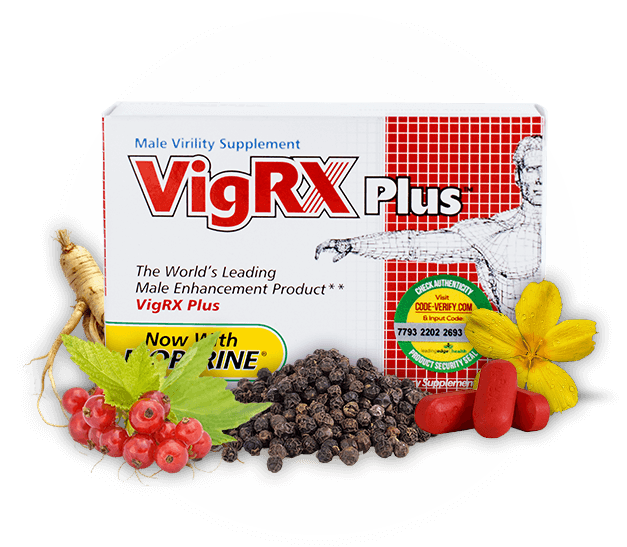
VigRX Plus™ Men's Vitality Formula
- Designed to support healthy circulation and steady physical endurance naturally
- Helps maintain foundational men's wellness and performance against accumulated daily stress
- Manufactured in a cGMP-compliant, FDA-registered facility
I often wake up feeling like my body is moving through water. That heavy, sluggish sensation is a hallmark of internal irritation that keeps many individuals from performing at their personal best. While we often blame lack of sleep or stress, the quiet hum of persistent body heat is the hidden variable.
Research confirms that when we ignore the internal environment of our cells, our output suffers across every domain. By shifting how we fuel and move, we can quiet this noise and reclaim our baseline energy levels.
You can effectively manage systemic tension by prioritizing whole food intake, consistent movement, and restorative sleep cycles. These shifts dampen the signals that cause cellular stress while supporting the body in maintaining long term output capacity.
Key Takeaways
- Studies show that individuals who consume high amounts of ultra processed sugars experience elevated markers of systemic distress within four hours of intake.
- The National Institutes of Health indicates that specific omega-3 fatty acids can reduce blood levels of inflammatory proteins by up to 20 percent.
- Regular resistance training, performed three times weekly, serves to regulate the body’s internal feedback loops to prevent runaway cellular irritation.
The Science Of Cellular Stress
Internal irritation is not a singular event but a continuous process. Think of it as a low battery light that never turns off on your dashboard. When this light stays on, your body diverts resources away from high level tasks like deep focus or physical exertion.
The immune system stays in a state of high alert. This constant scanning uses up resources that would otherwise go toward muscle repair or cognitive clarity. Addressing this requires a move away from inputs that trigger the immune response.
Consider the role of glucose. High blood sugar spikes force the body to scramble for balance. This creates a recurring cycle of demand that keeps the system running hot.
How To Lower Systemic Inflammation To Improve Performance Through Nutrition
Food is the primary lever for changing your internal environment. You want to focus on density rather than just caloric volume. The goal is to provide the raw materials needed for structural maintenance.
Berries are rich in compounds that act as natural buffers for your cells. They provide a high density of antioxidants per serving. Aim for one cup daily to reap these structural benefits.
Leafy Greens offer magnesium, which is vital for relaxing the nervous system. When the nervous system is calm, the entire physical vessel feels less taxed. Incorporate these into two meals per day for consistent support.
Fatty Fish provides essential oils that the body cannot manufacture on its own. These fats form the protective layer around every single cell. This structural support helps the body resist the wear and tear of daily living.
Optimizing Movement And Physical Output
Movement should serve the body, not break it down. Intense, prolonged exercise without recovery only adds to the fire. You need a mix of tension and release to see progress.
The Centers for Disease Control emphasizes that low impact activity is just as vital as high intensity output. Walking, swimming, or light cycling help clear metabolic waste products from the blood. This flushing action allows the system to reset after a difficult day.
Focus on maintaining a steady heart rate rather than pushing to exhaustion every time. Overworking the system acts as a stressor that mimics the very problem you are trying to solve. Moderate, rhythmic motion is the gold standard for long term health.
Calculating Your Daily Recovery Needs
You can estimate your recovery requirements by monitoring your morning resting heart rate. A sudden jump of five to ten beats suggests your body is still working to resolve yesterday’s stress. Use this simple formula to adjust your intensity.
Target Intensity Score = (Yesterday Physical Demand x 0.7) + (Hours of Sleep x 1.5). If your score is low, choose active recovery like walking. If your score is high, you have capacity for higher intensity, such as strength work or sprinting.
| Marker | Low Stress Level | High Stress Level |
| Morning Pulse | Below 60 beats | Above 75 beats |
| Sleep Quality | Deep and continuous | Fragmented and light |
| Energy Output | Steady throughout day | Major afternoon crashes |
The Role Of Sleep In Cellular Repair
Sleep is the primary window for the body to perform housekeeping. During deep cycles, the brain clears out metabolic byproducts that accumulate while awake. Without this, your internal alarm system stays active.
Create a dark, cool environment to signal the body that it is time to shut down. Artificial light after sunset interferes with the production of natural hormones that guide the repair process. The National Institute of Neurological Disorders explains that sleep duration is tied to the efficiency of your immune system.
Aim for seven to nine hours of consistent rest. Even small deficits over time lead to an accumulation of tension that degrades your daily capacity. Prioritize this window as the most important part of your routine.
Frequently Asked Questions
Can caffeine impact my body heat levels?
Caffeine acts as a stimulant that forces the body into a state of higher alertness. While this provides a temporary boost in focus, it also triggers the release of stress hormones that can contribute to a heated internal state.
If you find that your sensitivity to heat increases after your morning brew, consider moving your last cup to before noon. This allows your hormones to return to a baseline state well before you try to sleep.
Does drinking water change my internal markers?
Hydration is the medium through which your body transports nutrients and removes cellular waste. When you are under hydrated, these processes become sluggish and inefficient.
This slowdown allows metabolic waste to linger, which increases your overall stress burden. Consistent fluid intake throughout the day acts as a natural cleanser for the entire system.
Are certain oils harmful to my daily energy?
Refined vegetable and seed oils, often found in processed snacks, are highly unstable. They can be difficult for the body to process and may trigger an immune response when consumed in high amounts.
Focus on using stable, cold pressed fats like olive oil or avocado oil for your cooking needs. These fats provide more stability and are less likely to cause a spike in systemic stress.
How long does it take to notice a change?
The body is constantly responding to the inputs it receives. While you might feel a shift in your energy levels within three to five days, deep structural changes take longer.
Expect to see significant shifts in your markers after four weeks of consistent, disciplined habits. Patience is a necessary component of any successful wellness transition.
Is heavy exercise ever bad for my goals?
Exercise is a controlled form of stress. If your body is already burdened by other factors, adding heavy, high impact training can push the system past its limit.
It is important to listen to your internal feedback. If you feel lingering aches or low energy, swap your planned intensity for something gentler to allow the system to recover.
The Bottom Line
Cooling chronic inflammation to peak your daily output involves looking at your life through the lens of cellular stability. Nutrition, rest, and movement act as the building blocks for how you feel every single day.
Start by evaluating your sleep quality and your intake of processed ingredients. Small, consistent changes in these areas will yield the most significant improvements in your total energy and physical performance.
This content is for educational purposes only and does not constitute medical advice. Never stop or change any medication without consulting the provider who recommended it. Consult a licensed healthcare provider before starting any new wellness routine.
Get Your FREE Natural Health Guide!
Subscribe now and receive our exclusive ebook packed with natural health tips, practical wellness advice, and easy lifestyle changes, delivered straight to your inbox.