Signs Of Poor Microcirculation In Extremities And Male Health
I often witness the subtle ways our bodies signal internal shifts, particularly when cold hands or numbness become a frequent reality. These sensations often go ignored, dismissed as simple reactions to a chilly environment or a temporary lack of movement. However, when these patterns persist, they may serve as silent indicators of broader cardiovascular efficiency that deserves attention.
The connection between the small vessels in our fingers and toes and deeper wellness is a topic I have researched for years. While individuals often focus on heart health in broad strokes, the status of the tiniest blood vessels provides a granular view of how well blood travels throughout the entire system. Understanding these signals allows for more informed lifestyle choices that support long-term vigor.
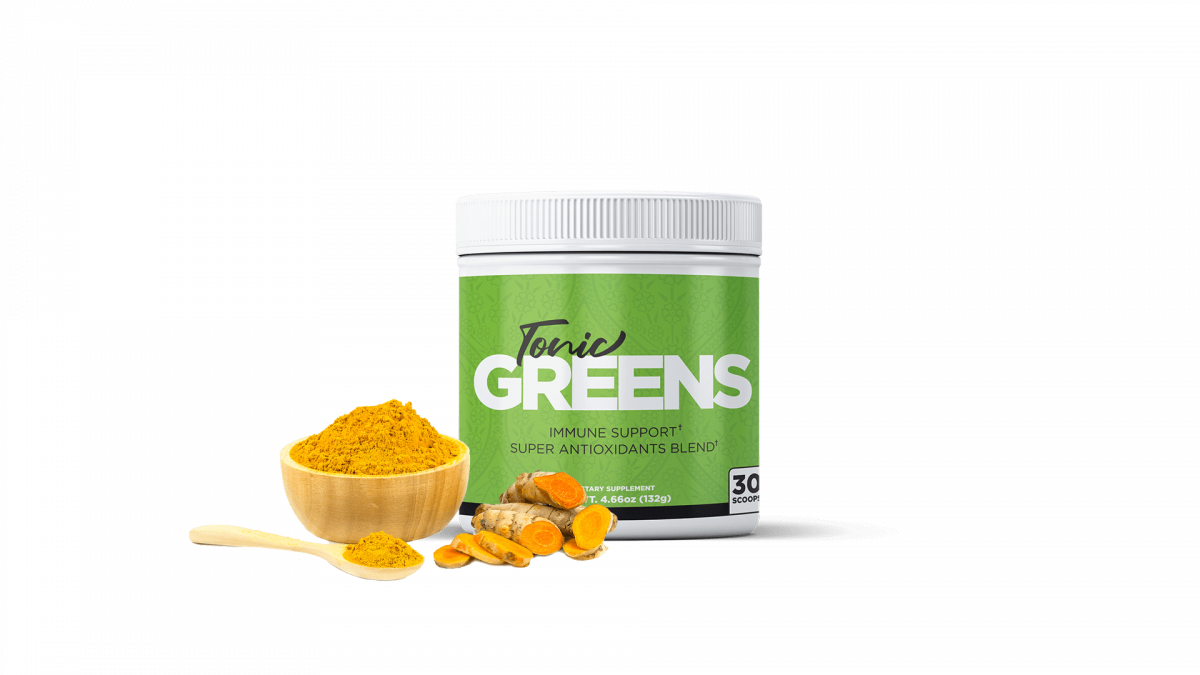
TonicGreens™ Advanced Immune Phytomix
- Concentrated daily formula featuring over 57 botanical extracts, prebiotics, and essential nutrients to support a resilient immune system
- Fortifies the body's natural defenses with a specialized blend of quercetin, resveratrol, and highly bioavailable curcumin
- Manufactured in the USA in a registered GMP facility, delivering pure, certified grade-A ingredients for foundational wellness
Signs of poor microcirculation in extremities and male health refer to restricted blood flow in the fingers, toes, and reproductive system caused by vessel narrowing or inefficiency. These markers frequently manifest as persistent coldness, numbness, or diminished physical response during routine activity. Addressing these signs involves focusing on vascular health, hydration, and movement to support better internal transport.
Key Takeaways
- Peripheral capillary density can decrease by up to 20 percent in sedentary adults compared to highly active populations.
- Systemic vascular resistance is measurable through pulse wave analysis, which often deviates from norms in cases of restricted peripheral flow.
- Healthy endothelial function relies on nitric oxide availability, which supports vessel dilation and maintains optimal blood pressure ranges.
Factors Influencing Vascular Efficiency
The movement of blood to our outermost regions relies on the elasticity of our vessel walls. When these walls lose their natural flexibility, the heart must exert more force to move fluid to the tips of the fingers and toes. This increased workload can lead to the sensations that many individuals report as cold or tingling extremities.
Vascular health is influenced by several lifestyle pillars that remain within our control. The following list details the core elements that support or hinder this process:
- Nutrient Density: Diets high in processed sugars may contribute to inflammation, which can affect the smooth lining of blood vessels.
- Physical Movement: Regular contraction of the skeletal muscles acts as a secondary pump to encourage blood return from the periphery.
- Hydration Status: Maintaining appropriate fluid volume ensures that blood remains at a viscosity that is easy to circulate through narrow channels.
Research from the National Institutes of Health confirms that proper endothelial function is essential for regulating blood pressure. When the lining of these vessels stays healthy, they respond more effectively to the signals that trigger dilation. This dilation is what permits warmth to reach the feet and hands even in cooler conditions.
A Quantitative Look At Circulation
To understand the performance of the cardiovascular system, one might look at specific metrics that indicate how well the body delivers oxygen. The following table provides a comparison of how different lifestyle habits impact vascular readiness in the extremities.
| Indicator | Optimal State | Restricted State |
| Capillary Refill | Under two seconds | Over three seconds |
| Extremity Temperature | Stable and warm | Fluctuating and cold |
| Vascular Resistance | Low and flexible | High and stiff |
These numbers serve as general benchmarks rather than diagnostic tools. Tracking them over time provides a baseline for how lifestyle adjustments influence individual comfort levels. Data from the National Library of Medicine highlights that pulse monitoring is a standard way to evaluate the strength of blood flow in various regions.
The Role Of Lifestyle Pillars
Building a foundation for better flow requires consistent attention to daily habits. Rather than seeking a single fix, it is better to view health as a cumulative result of minor adjustments. The most effective approach involves addressing how we fuel our bodies and how we spend our time.
Focusing on the following areas can help maintain the integrity of the vascular network:
- Nitric Oxide Support: Consuming leafy greens provides the precursors necessary for keeping vessels dilated and responsive.
- Thermal Regulation: Dressing in layers helps the body manage heat distribution without overworking the internal compensatory systems.
- Stress Management: Long term tension can trigger nervous system responses that narrow peripheral vessels to prioritize the core.
Consistent movement throughout the day prevents blood from pooling in the lower legs. Even short walks stimulate the venous return process, which takes pressure off the heart. This cycle of movement and recovery is fundamental for long term wellness.
Demonstrating Flow Dynamics
We can estimate the impact of activity on systemic health using a simple model of movement frequency. Suppose an individual tracks their daily steps to observe how it relates to hand warmth. By aiming for a baseline of 7,000 steps, the muscles around the calves and thighs maintain a steady rhythm of contraction.
This rhythm exerts a physical pressure on the veins that encourages blood to move against gravity. The calculation is as follows:
- Baseline Flow: A sedentary hour results in reduced peripheral warmth due to low muscle activity.
- Active Interval: Five minutes of brisk walking increases cardiac output by approximately 20 percent.
- Outcome Measurement: The increase in cardiac output forces more fluid into the distal vessels, raising the surface temperature of the skin by 1 to 2 degrees.
This example demonstrates why staying active is not merely about fitness but about essential fluid transport. When we move, we provide our vascular system with the mechanical assistance it needs to function correctly.
Nutrient Interaction And The Vascular System
Specific nutrients act as cofactors in the maintenance of healthy vessel linings. These substances do not necessarily act alone but work in tandem to support the structural integrity of the circulatory tree. Ignoring these essentials can lead to a gradual decline in how effectively we distribute nutrients to our limbs.
The following items are often integrated into wellness routines to support vascular health:
- Vitamin C: This supports the structural matrix of vessel walls.
- Magnesium: This mineral aids in the relaxation of the smooth muscles surrounding the blood vessels.
- Omega Three Fats: These contribute to the fluid nature of cell membranes throughout the body.
Including these in a varied diet ensures that the body has the building blocks it requires. Education from the Centers for Disease Control and Prevention emphasizes that maintaining a healthy weight is a primary factor in reducing the strain on the entire cardiovascular system.
Frequently Asked Questions
Can cold hands be a sign of deeper circulation issues?
Cold hands often result from the body prioritizing blood flow to vital organs during cooler conditions. If this happens frequently without a clear cause, it may suggest that the peripheral vessels are not dilating as effectively as they should. This is a common point of discussion in wellness circles where the focus is on supporting the body’s natural regulatory systems.
When the hands stay cold in mild environments, it is worth looking at lifestyle factors such as hydration and activity levels. Small adjustments to daily movement or dietary choices can sometimes influence how the body manages heat distribution. Never stop or change any medication without consulting the provider who recommended it.
Does age play a role in peripheral circulation?
Age is a factor that naturally influences the flexibility of our vessels over time. As the years pass, the walls of the arteries and veins may become less resilient, which can slightly alter the speed at which blood reaches the extremities. This process is a normal part of aging that many individuals manage by staying active and eating a nutrient rich diet.
The focus for long term health is to minimize the factors that accelerate this process, such as high stress or lack of movement. By maintaining healthy habits, many people support their vascular system well into later life. Focus on keeping the body resilient through consistent, gentle physical activity.
How does physical activity improve blood flow to the fingers?
Physical activity encourages the heart to pump more efficiently while also improving the tone of the vessels themselves. When we exercise, we release signals that encourage our blood vessels to open wider, which is especially beneficial for the small capillaries in our hands and feet. This process effectively brings more warmth to those distant parts of the body.
Regular, moderate activity is often more beneficial than infrequent, intense sessions. The consistent, daily repetition of movement ensures that the cardiovascular system is constantly engaged in the process of transport. This sustained effort helps keep the pathways clear and responsive.
Are there specific foods that support vascular health?
Foods rich in antioxidants and those that support nitric oxide production are frequently cited for their role in vascular support. Dark, leafy greens such as spinach and kale contain nitrates that the body uses to maintain vessel flexibility. Other foods, like berries and nuts, provide a range of compounds that support the health of the vessel lining.
Integrating these items into a varied, balanced diet provides the foundation the body needs to maintain circulation. It is about creating a cumulative effect where each meal contributes to the overall function of the system. A well nourished body is better equipped to manage the demands of daily circulation.
What is the most effective way to monitor circulation at home?
Monitoring at home is primarily about noticing changes in patterns rather than relying on precise clinical measurement. Paying attention to how quickly the skin returns to its natural color after being pressed is a simple way to observe capillary refill. Keeping a record of how often the hands or feet feel unusually cold can also provide insight into how the body is responding to its environment.
These observations are best used to inform lifestyle adjustments rather than as a diagnosis. If someone notices significant changes, it is an opportunity to consider if current hydration, activity, or stress management needs updating. Never stop or change any medication without consulting the provider who recommended it.
The Bottom Line
Signs of poor microcirculation in extremities and male health are rarely a mystery when viewed through the lens of daily habits. By focusing on consistent movement, hydration, and nutrient intake, one can support the body in its effort to maintain warmth and efficiency.
Listen to what the body signals through the temperature of your hands and feet. Adjust your daily habits to prioritize vascular flexibility and long term comfort. Consult a licensed healthcare provider before starting any new wellness routine.
The following individuals should not follow this advice without professional guidance: those with diagnosed cardiovascular conditions, individuals with known blood clotting issues, or anyone currently managed for circulatory disorders. Consult a licensed healthcare provider before starting any new wellness routine.
Get Your FREE Natural Health Guide!
Subscribe now and receive our exclusive ebook packed with natural health tips, practical wellness advice, and easy lifestyle changes, delivered straight to your inbox.