Effective Methods To Stop Plaque From Hardening Into Tartar Through Daily Care
I feel the familiar grit on my teeth after a long afternoon. This texture serves as a reminder that the mouth acts as a living ecosystem requiring constant attention. Neglect leads to minerals in saliva calcifying the biofilm into a substance that refuses to budge with simple bristles.
The shift from soft film to mineralized deposits happens with surprising speed in some mouths. Biology dictates that calcium and phosphate ions bind to the sticky residue left behind by bacteria. This cycle creates a rock solid attachment that defies standard home hygiene routines.
To stop plaque from hardening into tartar, you must prioritize mechanical disruption before the calcification window closes. Consistent removal of the soft biofilm through precise brushing and interdental cleaning prevents the mineral accumulation that triggers this structural change.
Key Takeaways
- Dental calculus forms within 24 to 48 hours if left undisturbed by proper hygiene tools.
- Studies from the National Institute of Dental and Craniofacial Research indicate that consistent mechanical removal remains the primary defense against mineralization.
- A pH balance above 7.0 in the oral cavity encourages the precipitation of calcium salts into the dental matrix.
Understanding The Mineralization Process Of Biofilm
The mouth contains hundreds of bacterial species that thrive on residual sugars and starches. These microorganisms produce a sticky byproduct that clings to the enamel surface. Without interference, this substance serves as a magnet for minerals circulating in the saliva.
The transformation into hard deposits occurs when these minerals solidify within the matrix. This process mirrors the way stalactites form in a cave over long periods. You can interrupt this sequence by maintaining a clean surface where these minerals find no purchase.
Research supported by the Centers for Disease Control highlights that oral hygiene impacts overall systemic markers. Keeping the enamel smooth prevents the uneven terrain where deposits settle. Regular disruption of the bacterial layer is the most reliable strategy to avoid long term buildup.
Tactical Approaches For Daily Surface Maintenance
Mechanical disruption stands as the single most effective way to address the issue. You cannot rely on chemical rinses alone to remove the sticky film once it settles. Use these specific habits to keep the environment hostile to buildup.
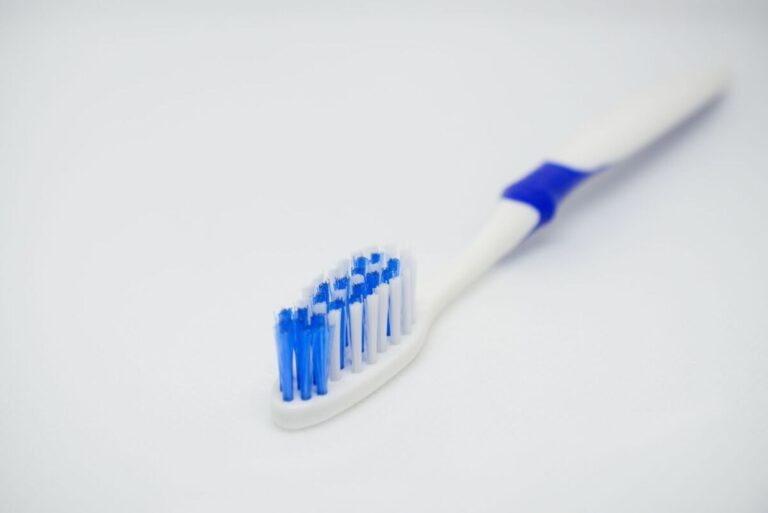
- Timed Brushing Cycles: Allocate two full minutes to clear every surface of the teeth. Focus on the gum line where the intersection of tooth and tissue invites accumulation.
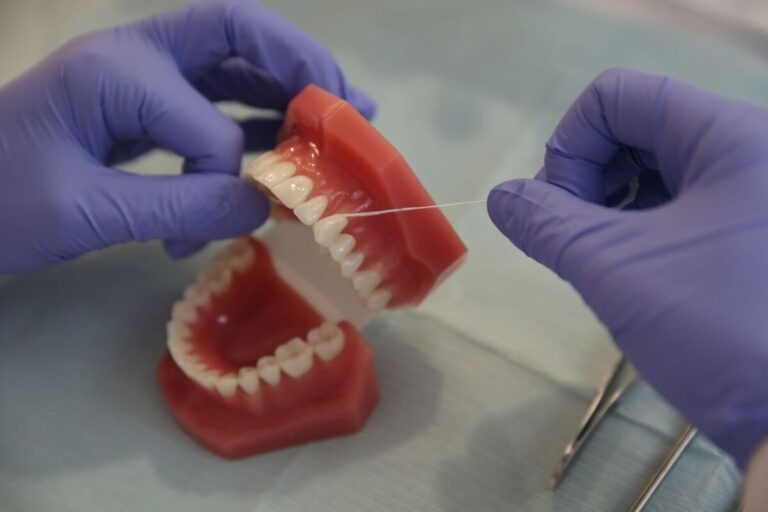
- Interdental Cleaning Rituals: Use floss or soft picks to reach the tight spaces between teeth. Bacteria colonize these hidden zones with greater density than on flat surfaces.
- Targeted Tongue Scraping: Remove the residual coating on the tongue to lower the total bacterial load in the oral cavity. A cleaner tongue means fewer microbes migrate to the tooth surfaces during the day.
Data Comparison Of Cleaning Efficacy
| Cleaning Method | Reach Depth | Primary Benefit |
|---|---|---|
| Manual Brushing | Outer surfaces | Provides tactile feedback |
| Electric Brushing | Subgingival areas | Maintains consistent vibrations |
| Water Flossing | Interdental pockets | Clears deep debris |
The Mechanical Demonstration Of Surface Hygiene
Imagine the tooth surface as a glass window exposed to the elements. If you wipe the glass daily, it stays clear and transparent. If you let the film sit for two days, it starts to cloud and attract dust.
Follow this calculation to ensure total coverage. A standard set of teeth has three main surfaces per tooth: the cheek side, the tongue side, and the biting surface. With 28 adult teeth, you possess 84 individual surfaces to manage.
Divide your two minute brushing window by these 84 surfaces. You have approximately 1.4 seconds for every individual tooth surface. Move the brush head slowly to ensure each section receives sufficient attention to break the bacterial bond.
Nutritional Factors That Influence Oral pH
The chemistry of the saliva plays a role in how fast soft deposits transition into hard ones. Diets high in processed carbohydrates shift the oral environment toward an acidic state. This acidity can wear down the enamel and create microscopic pits that hold onto bacteria.
Prioritize whole foods that require significant chewing force. Crunchy vegetables like carrots or celery act as natural cleaners by stimulating saliva flow. This increased flow helps neutralize acids and wash away food particles that fuel bacterial growth.
The National Library of Medicine offers extensive data on how dietary habits alter the microflora of the mouth. Focus on hydration with plain water throughout the day. Water keeps the oral environment moist and prevents the stagnation that leads to rapid buildup.
Frequently Asked Questions
Can specific mouthwashes replace mechanical cleaning routines?
No chemical rinse possesses the physical capability to dislodge a structured biofilm from the teeth. Mouthwashes may temporarily reduce bacterial counts, but they cannot remove the sticky foundation that allows minerals to deposit.
The physical action of scrubbing remains the only way to disrupt the attachment of these microbes. Relying on liquids for hygiene often leads to a false sense of security while hard layers continue to form underneath.
How does the type of toothbrush affect long term buildup?
The bristles of a brush must reach into the microscopic grooves of the teeth to be effective. Soft bristles allow for better adaptation to the curves of the mouth without irritating the delicate gum tissue.
Electric models provide thousands of strokes per minute, which compensates for any lack of manual dexterity. These tools facilitate a more thorough cleaning process in a shorter period compared to standard hand tools.
Is there a specific time of day when cleaning is most critical?
The period right before sleep is the most important time for oral hygiene. Saliva production decreases significantly during the night, which removes the natural cleansing effect of the mouth.
Any biofilm left on the teeth overnight has several hours to remain undisturbed and progress toward a harder state. A thorough cleaning before bed ensures that no fuel source remains for bacteria during the hours you sleep.
Why do some areas of the mouth develop deposits faster than others?
The placement of salivary glands significantly impacts where calcification occurs most rapidly. The areas near the lower front teeth and upper back molars sit closest to the primary flow of saliva.
These sites receive a constant supply of calcium and phosphate ions that feed the mineralization of plaque. These specific locations require extra focus and extended brushing time to keep the surfaces clear.
Can professional cleanings be spaced further apart with better home care?
Consistent daily habits significantly improve the state of the oral environment and keep the accumulation to a minimum. While hygiene maintenance varies by individual anatomy, good habits often reduce the amount of debris present during regular checkups.
Even with excellent home care, microscopic areas may still gather small amounts of buildup over time. Professional tools are designed to reach these final stubborn spots that are difficult to access with consumer equipment.
The Bottom Line
Maintaining a clean mouth requires consistent mechanical action to remove soft films before they solidify. Simple Daily Habits to Stop Plaque From Hardening Into Tartar involve dedicated brushing and interdental cleaning. You hold the power to control your oral health through these small, daily adjustments.
Never stop or change any medication without consulting the provider who recommended it. These suggestions are intended for educational purposes and should not replace professional guidance. Consult a licensed healthcare provider before starting any new wellness routine.
Get Your FREE Natural Health Guide!
Subscribe now and receive our exclusive ebook packed with natural health tips, practical wellness advice, and easy lifestyle changes, delivered straight to your inbox.