Understanding How Cortisol Kills The Neurological Signal For Arousal
We often treat stress as a mental state that simply ruins our productivity or prevents us from sleeping at night. In reality, the body views sustained stress as a fundamental survival threat that demands a shift in resource allocation. When our biology prioritizes immediate safety over long term wellness, the systems responsible for physical intimacy often get sidelined.
As a researcher tracking human performance, I have seen data indicating that the hormonal cascade triggered by chronic pressure creates a physiological barrier to connection. This internal environment is not conducive to the delicate balance of blood flow and sensory awareness required for natural responsiveness. The body essentially turns off the secondary functions that it deems non essential for fighting off perceived dangers.
Why high cortisol mutes your natural arousal signals is simple to understand through the lens of hormonal competition. Cortisol prioritizes glucose mobilization for movement and heart rate elevation while simultaneously suppressing the production of sex hormones and dampening the peripheral nervous system signals that initiate intimacy. This process creates a chemical environment where the physical precursors to arousal are blocked by our own defense mechanisms.
Key Takeaways
- Hormonal Dominance: Elevated cortisol levels consistently lead to a reduction in circulating free testosterone, often dropping levels by 15 percent to 30 percent during prolonged periods of pressure.
- Blood Flow Divergence: Research from the National Institutes of Health suggests that chronic stress diverts blood volume away from non critical systems to prioritize muscles and the heart.
- Neural Suppression: Sustained sympathetic nervous system activation reduces the sensitivity of receptors in the skin and genital tissues, making sensory input less effective at triggering an arousal response.
The Chemical Cascade Of The Stress Response
The human body uses cortisol as a primary tool for managing high pressure scenarios. When we encounter a stimulus that triggers our fight or flight reflex, the adrenal glands release this hormone into the bloodstream. This surge prepares us to run or fight by mobilizing stored energy and sharpening our vision.
Problems emerge when this system stays active for weeks or months due to work or emotional burdens. The body begins to view this output as a permanent state rather than a temporary emergency. This shift forces the endocrine system to sacrifice resources that would otherwise support libido and tissue sensitivity.
The National Center for Biotechnology provides extensive data on how chronic hormonal imbalances disrupt the peripheral nervous system. When these signals remain suppressed, the physical readiness for intimacy disappears. This is not a failure of desire but a byproduct of a biological system attempting to conserve energy for basic survival.
The Mechanics Of Neural Signal Disruption
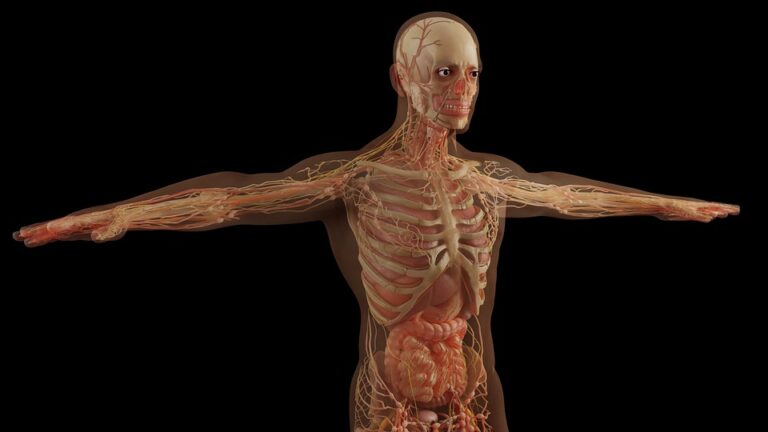
Intimacy relies on a complex feedback loop between the brain and the peripheral nerves. Sensory information travels from the skin to the central nervous system, which then sends signals to trigger the necessary physical changes. Cortisol functions like a dampener on these nerve endings.
Research from the Department of Education and various university studies suggest that high stress levels interfere with the release of nitric oxide. This compound is necessary for smooth muscle relaxation and adequate blood flow. Without this relaxation response, the signals for arousal cannot effectively translate into physical results.
| Factor | Stressed State | Optimal State |
|---|---|---|
| Blood Flow | Restricted to core | Distributed to extremities |
| Testosterone | Low circulating levels | Balanced healthy levels |
| Muscle Tone | Chronic tension | Ease of relaxation |
| Neural Signal | Dampened sensitivity | Full sensory awareness |
Demonstrating The Cost Of Persistent Tension
Consider a simple calculation of your daily energy expenditure. If you have a total energy budget of 100 points, your brain allocates these points based on perceived risk. During high stress, the brain assigns 80 points to survival functions like heart rate maintenance and muscle preparedness.
This leaves only 20 points for recovery, digestion, and intimacy. Because these systems are not essential for your immediate survival, the body effectively cuts their funding to keep your heart pumping in a crisis. You can shift this balance back by introducing calm stimuli that signal safety to the brain.
Lowering your intake of inflammatory processed foods can assist in managing the physical stress load. Engaging in low intensity movement like walking helps flush out excess hormones. These small adjustments serve as a signal to the body that the environment is once again safe for non survival tasks.
Lifestyle Factors Affecting Neural Sensitivity
Many people find that their diet plays a role in how the body processes high stress levels. Foods heavy in sugar or seed oils can lead to systemic irritation, which mimics the physical signs of a threat to the body. Reducing these items can help stabilize the environment.
Sleep quality remains the most important factor in regulating the hormonal baseline. Without adequate deep rest, the adrenal glands continue to produce hormones that block sensory input. Prioritizing a dark and cool sleeping environment can assist in signaling to the body that rest is the priority.
Movement intensity also dictates the speed at which the body clears these chemicals. While high intensity weight lifting can be beneficial, it can also spike hormonal output if done too often while already under pressure. Focusing on yoga or steady state movement can keep the nervous system in a state of flow rather than a state of alarm.
The Role Of Mindset In Signal Reception
The connection between your thoughts and your biology is stronger than most people acknowledge. If you constantly ruminate on your to do list, the brain stays in a state of high alert. This constant scanning for threats prevents the relaxation required for intimacy.
Practicing active recovery through mindfulness or deep breathing can change the nervous system tone. By intentionally slowing your respiratory rate, you send a direct signal to the brain that the danger has passed. This simple change allows the body to reallocate energy toward restorative processes.
Individuals who maintain social connections often show better management of their hormonal health. Sharing experiences or participating in community activities provides a sense of belonging that naturally offsets the feelings of isolation. This social safety acts as a buffer against the physical effects of pressure.
Frequently Asked Questions
Can specific supplements help rebalance these hormones?
Certain compounds known as adaptogens may assist in managing how the body responds to environmental pressures. These substances work by supporting the adrenal glands and promoting a more measured response to external stimuli.
However, no supplement acts as a replacement for structural lifestyle changes. The effectiveness of any addition to your routine depends entirely on the stability of your sleep, nutrition, and stress management habits.
How quickly does the body recover from high stress?
The time required for recovery varies based on the duration of the stress and the current state of your health. Small daily changes can lead to noticeable shifts in physical sensitivity within a few weeks of consistent practice.
It is important to remember that the body moves toward equilibrium when it feels safe. Patience is necessary as you provide the right conditions for your systems to normalize after a period of intense pressure.
Does exercise improve the physical signals of arousal?
Moderate movement improves blood flow and enhances the sensitivity of the peripheral nervous system. By strengthening the circulatory system, you create a more responsive environment for the body to move toward physical connection.
Over training can have the opposite effect if the body remains in a state of exhaustion. Consistency and moderation are the pillars of using movement to support rather than burden your system.
What is the link between blood sugar and hormonal health?
Stable blood sugar levels are necessary to prevent the constant release of emergency hormones. When glucose levels crash, the body triggers an adrenal response to release more fuel, which keeps the system in a state of high alert.
Focusing on whole food sources that provide steady energy can help maintain this balance. This stability removes the need for the body to enter a defensive state throughout the day.
Should I track my hormonal levels using tests?
Monitoring your internal markers can provide clarity regarding where your body currently stands. Understanding these data points allows you to focus your efforts on the specific lifestyle areas that need the most attention.
Work with a provider to interpret these results accurately within the context of your overall wellness. Never stop or change any medication without consulting the provider who recommended it.
The Bottom Line
Why high cortisol mutes your natural arousal signals is a matter of biological prioritization. When the body perceives a persistent threat, it diverts essential resources away from intimacy to keep your basic survival systems running.
By focusing on sleep, nutrition, and the intentional down-regulation of the nervous system, you can signal to your biology that it is safe to return to a state of balance. Shift your focus toward activities that reduce physical pressure and allow your natural signals to function without interference. Consult a licensed healthcare provider before starting any new wellness routine.
Disclaimer: This content is for educational purposes only and does not constitute medical advice. Never stop or change any medication without consulting the provider who recommended it.
Get Your FREE Natural Health Guide!
Subscribe now and receive our exclusive ebook packed with natural health tips, practical wellness advice, and easy lifestyle changes, delivered straight to your inbox.