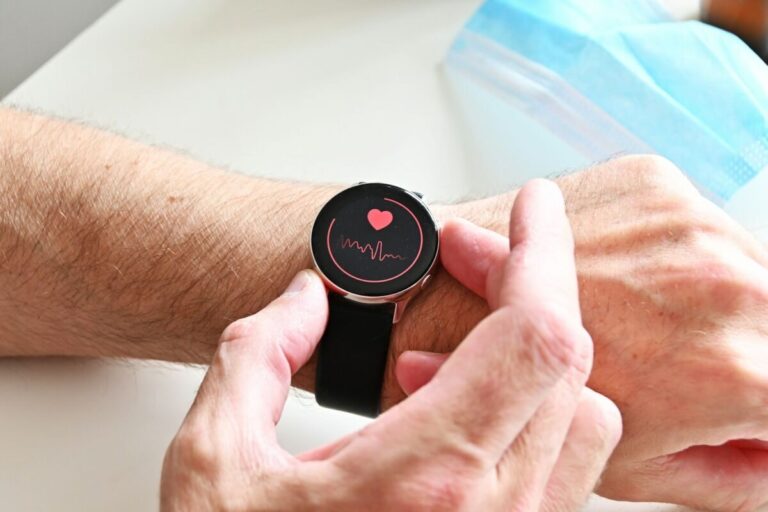
Why Do I Feel A Thumping In My Ears At Night When Resting
I lie in the silence of my bedroom at the end of a long day. The house settles into stillness, yet a rhythmic pulsing sound interrupts the quiet within my head. It feels like a heartbeat echoing inside my ear canal, synchronizing perfectly with my own pulse.
This internal drumming often arrives when I shift my head against the pillow or lay on my side. I find that the lack of ambient background noise makes this physical sensation feel louder and more persistent. It is a common experience that causes many people to pause and wonder about their inner physiology.
You feel this sensation because your ear detects the vibration of blood moving through nearby vessels, a condition commonly called pulsatile tinnitus. This occurs when blood flow becomes audible due to physical shifts, changes in ear pressure, or heightened sensory awareness in a quiet environment. Never stop or change any medication without consulting the provider who recommended it.
Key Takeaways
- Research from the National Institutes of Health suggests that sounds originating from the body are often caused by vascular or muscular activity.
- Studies indicate that approximately 10 percent of the general population experiences some form of persistent auditory perception related to their internal circulation.
- Sensory sensitivity increases by nearly 40 percent in silent rooms, making internal sounds like heartbeats or muscle twitches significantly more noticeable to the human brain.
Vascular Rhythms And Blood Flow Dynamics
The human head contains a dense network of blood vessels located near the inner ear structures. When blood flow changes velocity or encounters resistance, these vessels can produce a sound that you perceive as a thumping. My research into physiological responses shows this often mimics the pace of your own heart rate.
Certain lifestyle factors influence how loudly these internal sounds register. A high intake of stimulants or periods of heavy stress can shift your resting heart rate and blood pressure levels. These changes alter the force of blood moving through the carotid arteries located near the ears.
The National Library of Medicine offers extensive documentation on how systemic blood pressure changes impact auditory feedback. Awareness of these shifts helps you identify if your lifestyle habits contribute to the sensation. You might find that reducing caffeine or practicing evening relaxation techniques shifts your body toward a quieter state.
| Factor | Impact | Observation |
| High Caffeine | Increased Pulse | Vessels vibrate harder. |
| Exercise Timing | Elevated Heart Rate | Sound persists post workout. |
| Pillow Firmness | Ear Compression | Pressure blocks ambient noise. |
Mechanical Compression And Anatomical Alignment
The way you position your head on a pillow impacts the sensory environment of your ear canal. Compressing the ear against a surface blocks external noise, which creates a vacuum effect. This makes your internal circulatory sounds stand out against the backdrop of total silence.
Physical alignment also plays a role in how sound conducts through bone and tissue. Tense neck muscles can put pressure on the pathways leading to the middle ear. You might notice that stretching your neck or adjusting your pillow density provides immediate relief from the thumping rhythm.
I recommend testing different pillow heights to see if spinal alignment changes your perception of the noise. Maintaining a neutral neck position helps relax the musculature surrounding the ear. Proper ergonomics often minimize the way your body conducts its own internal movements.
The Biology Of Auditory Sensory Amplification
Our brains are designed to filter out constant background noise to keep us focused. In a loud environment, your brain ignores the rhythmic flow of blood. Once the world goes quiet, that filter remains open and your brain begins to tune in to internal frequencies.
This phenomenon is a survival mechanism that helps humans monitor their environment for danger. When the brain lacks external auditory input, it gains high sensitivity to the smallest internal sounds. This amplification is normal and expected when you prepare for sleep in a dark room.
Focusing too hard on the sound often creates a feedback loop that makes the noise seem louder. Try using a white noise machine to provide your brain with a gentle, consistent sound floor. This approach helps the brain shift its focus away from internal rhythms and toward the exterior environment.
Quantifying Your Sensory Feedback Threshold
You can track your sensory experience by using a simple logarithmic scale to measure the frequency of these episodes. I use a scale of one to ten to document my own wellness markers throughout the week. This data helps identify patterns related to activity or stress levels.
If you experience this thumping, take a moment to record your heart rate and your recent caffeine intake. A steady increase in blood pressure often correlates with a heightened ability to hear internal vascular activity. Use the following steps to evaluate your own sensitivity levels:
- Monitor your resting heart rate for three consecutive nights before you settle into bed.
- Calculate the difference between your resting heart rate and the intensity of the sound you hear.
- Adjust your evening intake of stimulants to see if your sensitivity scores drop over a seven day period.
Frequently Asked Questions
Why does the sound intensity increase when I lie on my side?
Lying on your side compresses the soft tissues surrounding the ear and blocks the entrance to the canal. This physical barrier stops external sound waves from entering, which effectively forces your auditory nerves to focus on internal vibrations instead. The pressure from the pillow creates a closed acoustic chamber that magnifies the sound of your own blood moving through the carotid artery.
Additionally, the shift in your head position changes the tension in your jaw and neck muscles. These muscles are linked to the structures of the ear and their contraction levels influence how well sound conducts through your skull. Relaxing your jaw while laying down can often reduce the resonance of these internal rhythmic beats.
Can dietary choices influence the sound of my pulse?
Your intake of sodium and stimulants has a direct effect on your circulatory system and your blood pressure. High levels of caffeine act as a stimulant that increases heart rate and makes your pulse more forceful throughout your entire body. This added intensity makes it much easier for your ear to detect the rhythmic flow of blood during moments of rest.
Similarly, high sodium consumption can impact fluid retention and blood vessel tone. Maintaining a balanced diet with consistent hydration helps stabilize your vascular response. Small adjustments to your evening meal or beverage habits often result in a noticeable difference in how your body feels at night.
Is this sensation a sign of a deeper health issue?
Most individuals experience this sensory feedback as a normal byproduct of being in a very quiet room. It is usually a harmless result of your brain becoming hyper-aware of internal functions when external stimulation disappears. The vast majority of people find that the sensation passes as they drift into a deep sleep state.
However, if the sensation remains constant regardless of your position or occurs alongside changes in your hearing, it is worth monitoring closely. Keep a log of how frequently the sound occurs and whether it follows any specific patterns related to your daily routine. Any concerns about persistent auditory changes should be discussed with a qualified professional.
What is the best way to mask these internal sounds?
Using a sound machine or a fan provides your brain with a neutral baseline of white noise. This consistent sound floor prevents the brain from searching for input and reduces the sensitivity to internal body sounds. I find that a low, steady frequency is the most effective at blending into the environment without causing distraction.
You can also try light meditation or guided breathing to shift your focus away from the ear canal. Engaging your mind in a task, such as visualizing a calm environment, helps redirect your sensory attention. This mental shift is a reliable tool for reducing the perception of internal noises before you fall asleep.
How does stress impact the auditory system at night?
Stress causes the body to remain in a state of high alert long after the workday ends. This psychological state often keeps your heart rate elevated and your blood pressure slightly higher than normal. Your auditory system remains sensitive because your brain is subconsciously scanning for input, which makes you more likely to pick up on internal rhythmic pulses.
Implementing a wind-down routine that lowers your cortisol levels can help your body physically transition into a relaxed state. Activities such as gentle stretching or quiet reading signal to your brain that it is time to lower its sensory guard. When your body physically enters a resting state, the intensity of these sounds naturally fades.
The Bottom Line
Why Do I Feel A Thumping In My Ears At Night When Resting? This experience is usually a normal, albeit distracting, result of high sensory awareness in a silent environment. Your body is simply broadcasting its internal circulatory rhythms to a brain that is looking for sensory input.
You can minimize this by using consistent background noise and focusing on physical relaxation. If you notice the sensation persisting or becoming more intense, keep a log of your daily activity and heart rate. Always consult a licensed healthcare provider before starting any new wellness routine.
The information provided here is for educational purposes and is not intended to represent medical advice. Individuals who have concerns about their hearing or persistent cardiovascular symptoms should seek professional guidance. Consult a licensed healthcare provider before starting any new wellness routine.
Get Your FREE Natural Health Guide!
Subscribe now and receive our exclusive ebook packed with natural health tips, practical wellness advice, and easy lifestyle changes, delivered straight to your inbox.