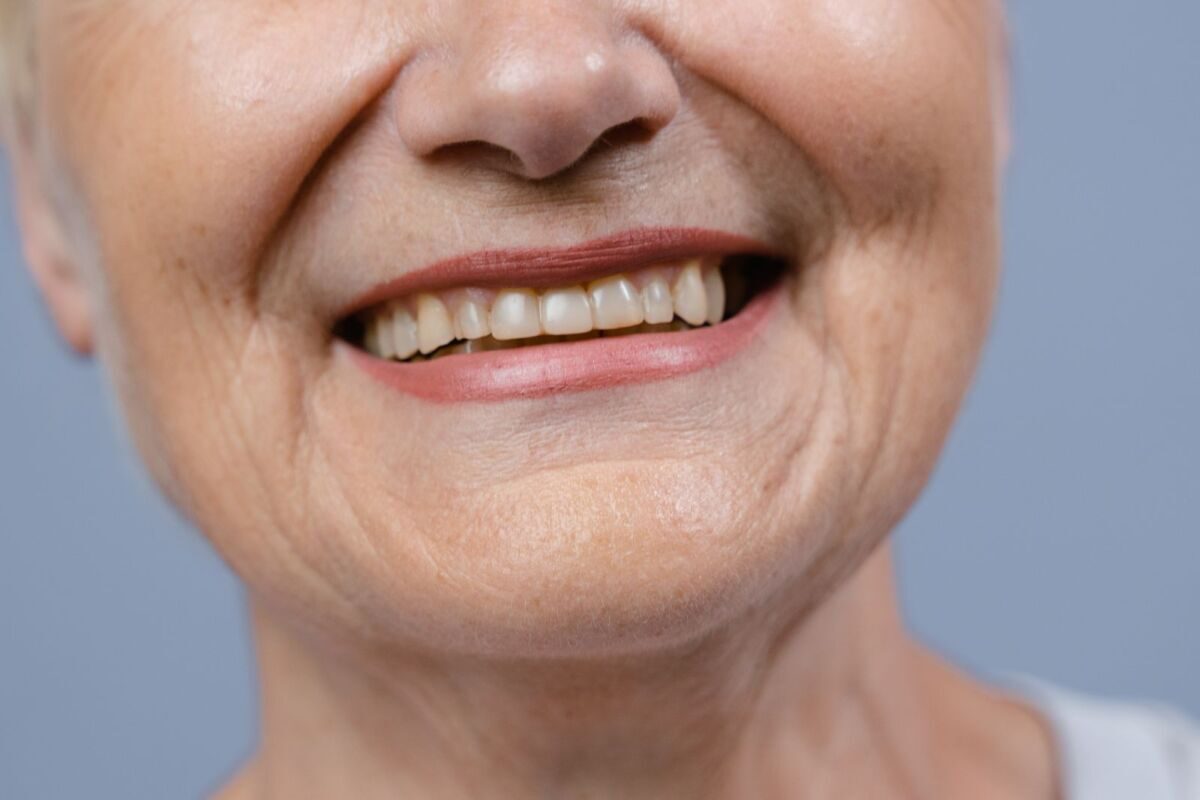

Why You Notice Shifting Teeth In Your 50s
I find myself checking the mirror more often these days when I notice subtle gaps appearing between my front incisors. Many individuals assume that dental changes stop after the teenage years, yet the structure of the mouth remains dynamic throughout our entire lives.
Changes in alignment often catch people by surprise during their fifth decade. My research into dental health shows that bone density, gum integrity, and long-term habits all converge during this stage of life.
Shifting teeth in your 50s occur primarily due to the natural loss of bone density in the jaw and the cumulative impact of long-term pressure from grinding or lifestyle habits. These movements happen slowly over time as the support structures for your roots undergo minor adjustments.
Key Takeaways
- Periodontal support tissues lose density at a rate of roughly 0.5 to 1 percent per year once individuals reach middle age.
- Force distribution across the dental arch changes as wear patterns accumulate over four or more decades of chewing.
- Loss of a single molar can cause adjacent structures to drift into vacant space within just six months if left unaddressed.
Factors Influencing Dental Alignment Changes
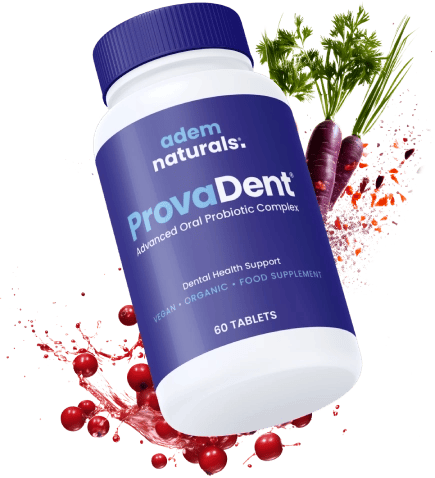
ProvaDent™ Oral Wellness Formulation
- Designed to work with your natural nighttime processes to support a balanced oral environment
- Helps maintain long-term oral hygiene and consistent morning freshness
- Manufactured in a cGMP-compliant, FDA-registered facility without harsh chemical rinses
The mouth functions as a system of interconnected parts. When one support pillar weakens, the rest of the arrangement moves to compensate.
- Bone Density Declines: The jawbone loses mineral content similar to other areas of the skeleton. This reduction in the alveolar bone foundation provides less stability for roots.
- Gum Tissue Changes: Gingival health dictates how well roots stay anchored. Inflammation or recession creates less resistance against natural movement.
- Cumulative Occlusal Stress: Decades of biting, chewing, and unconscious grinding exert pressure. This forces enamel to shift toward areas of least resistance.
- Loss Of Tooth Structure: Worn surfaces change how the upper and lower jaws meet. This imbalance forces teeth to migrate into new spots.
- Lingual Forces: The tongue exerts constant pressure against the back of the teeth. If the outer support wanes, these internal forces push teeth outward.
Data Comparison Of Oral Support Systems
| Feature | Younger Adults | Older Individuals |
|---|---|---|
| Bone Density | High structural integrity | Reduced mineral density |
| Gum Attachment | Firm and resilient | Potential for recession |
| Tooth Mobility | Minimal natural movement | Increased subtle drift |
Demonstrating The Migration Mechanics
Consider the math behind a shifting smile. If a single tooth loses 10 percent of its surrounding bone support, the force required to move it decreases proportionally.
We can calculate the risk factor using a simple ratio. Take the total surface area of the root and divide it by the current bone height.
A lower result indicates less surface area for anchoring. This confirms why gaps appear more frequently as we age.
Evidence Regarding Structural Stability
Modern studies highlight the importance of maintaining systemic health for oral longevity. Research from the National Institutes of Health indicates that inflammation plays a primary role in how support tissues react over time. Maintaining low levels of systemic irritation benefits the entire body including the mouth.
Many people find that simple adjustments to their routine make a difference. Daily habits that prioritize gentle cleaning help keep gums healthy. Clean environments reduce the presence of debris that leads to tissue irritation.
Consistency serves as the best strategy for long term health. Focus on gentle brushing techniques to preserve enamel and gum lines. Using soft bristles prevents unnecessary damage to delicate tissues.
Nutritional Foundations For Bone Health
Supporting the jawbone requires adequate intake of essential minerals. Data from the National Institutes of Health confirms that calcium and vitamin D work together to maintain structural integrity. These nutrients keep the jaw strong enough to hold everything in place.
Dietary variety ensures that the body has what it needs for maintenance. Leafy greens provide vitamin K for proper mineral absorption. Fish oils offer healthy fats that support tissue health throughout the body.
Avoid excessive amounts of sugar in your daily intake. Sugar feeds bacteria that promote inflammation around the roots. Keeping the oral microbiome balanced protects the structures keeping your smile in place.
Habit Modifications For Long Term Care
Managing pressure is a major part of dental maintenance. Many adults grind their teeth during periods of high stress without realizing it.
Observe your jaw position while working or resting. Aim to keep your lips together but your teeth slightly apart. This resting posture reduces unnecessary force on the alignment of your smile.
Night guards help distribute pressure if grinding occurs during sleep. Information from the National Library of Medicine explains that consistent use prevents the wearing down of surfaces. Protecting these surfaces stops movement caused by structural changes.
Frequently Asked Questions
Can orthodontic options help after age fifty?
Many adults choose to address alignment issues later in life. Modern tools allow for gradual correction without traditional metal hardware that was common in the past.
Consult a professional to determine if your current bone and gum health support movement. Many options exist that prioritize the health of the root while adjusting the position of the visible crown.
Does losing one tooth cause others to move?
The empty space left by a missing tooth acts as a magnet for adjacent ones. They naturally tilt or migrate toward the gap to fill the void created by the loss of contact.
This process happens faster than many people anticipate. Addressing missing space quickly preserves the remaining alignment and keeps the surrounding support stable.
Are gaps between front teeth a sign of bone loss?
Gaps often indicate that the support structures holding the roots are changing. While this happens for several reasons, a loss of density or gum recession is a common culprit.
Monitor these changes over time to see if the gap grows. Seeing a professional ensures you understand if the movement comes from bone issues or simple tooth wear.
How do hormones affect tooth position?
Hormonal changes shift how the body manages inflammation and tissue repair. This impacts the gums and the periodontal ligament strength.
These shifts contribute to subtle changes in how teeth sit in the jaw. Keeping an eye on your overall health helps you navigate these transitions with more awareness.
Is there a way to stop teeth from drifting?
The best way to maintain position involves keeping the support structures as healthy as possible. Consistent hygiene and good nutrition keep the jawbone and gums in good shape.
If you notice movement, look into custom guards to manage grinding. These tools protect your current alignment from further changes while you sleep.
The Bottom Line
Understanding the reasons for shifting teeth in your 50s helps you focus on what matters most for your long-term health. A strong foundation of healthy gums and adequate nutrient intake goes a long way toward keeping everything in place.
Take charge of your oral environment by observing small changes early. Schedule a checkup with a professional to discuss any movement you notice and ask about protective measures like night guards.
This information is for educational purposes only. It is not intended as a substitute for professional dental guidance. Never stop or change any medication without consulting the provider who recommended it. Consult a licensed healthcare provider before starting any new wellness routine.
Get Your FREE Natural Health Guide!
Subscribe now and receive our exclusive ebook packed with natural health tips, practical wellness advice, and easy lifestyle changes, delivered straight to your inbox.