
As I sit at my desk reviewing the latest cellular energy reports, I often think about the quiet shifts our systems undergo as the decades add up. We tend to frame aging as an inevitable slide into lethargy, yet the data tells a story of adaptation rather than simple decline. My own focus remains on the intersection of daily habits and internal physiological efficiency.
Many of us notice that our energy levels behave differently today than they did twenty years ago. The resilience we once took for granted now feels like a resource we must actively steward. It is not about turning back the clock, but rather about ensuring our internal engines run with the precision and vigor they held in our prime.
Natural ways to increase metabolic youthfulness after 60 involve stabilizing blood glucose levels, prioritizing protein distribution throughout the day, and engaging in resistance-based movement to preserve lean muscle. These shifts collectively signal to the body that it should prioritize repair and efficient energy usage over storage. By focusing on consistent movement and nutrient density, individuals create a foundation for sustained vitality.
Key Takeaways
- Resting metabolic rate tends to decrease by approximately 1 to 2 percent per decade after reaching the age of 20, making activity shifts essential.
- Protein intake needs rise significantly after 60, with researchers suggesting 1.2 to 2.0 grams per kilogram of body weight to support muscle maintenance.
- Consistent sleep patterns regulate cortisol, which acts as a primary hormonal signal influencing how the body utilizes stored fuel.
Five Habits To Help Restore Metabolic Youthfulness After 60
- Prioritize Resistance Training: Building muscle tissue serves as the primary way to support a robust engine. Muscles act as a sink for glucose and contribute to higher basal energy expenditure.
- Distribute Protein Intake: Spacing high-quality amino acid sources across three main meals ensures the body has the building blocks necessary for constant cellular upkeep.
- Implement Time-Restricted Windows: Narrowing the daily eating window allows the digestive system to rest and encourages the body to switch to stored energy sources during the overnight hours.
- Increase Daily Non-Exercise Activity: Incorporating frequent, low-intensity movement like walking keeps the lymphatic system flowing and maintains systemic sensitivity to insulin.
- Hydrate With Electrolyte Balance: Proper cellular hydration supports every biochemical process, and after 60, our natural thirst signals often become less reliable and require intentional monitoring.
Leveraging Nutritional Science For Internal Vigor
Understanding how food choices influence our internal rhythm requires looking at the quality of our fuel. Modern research highlights the importance of nutrient-dense whole foods over processed alternatives. Guidance from the National Institutes of Health emphasizes that diverse plant sources and high-quality proteins are essential for healthy aging.
Fiber intake plays a quiet but powerful role in this process by slowing the absorption of glucose. When we avoid sharp spikes in blood sugar, we reduce the burden on our systems to manage excess insulin. This creates a state of internal balance that keeps us feeling alert and capable throughout the day.
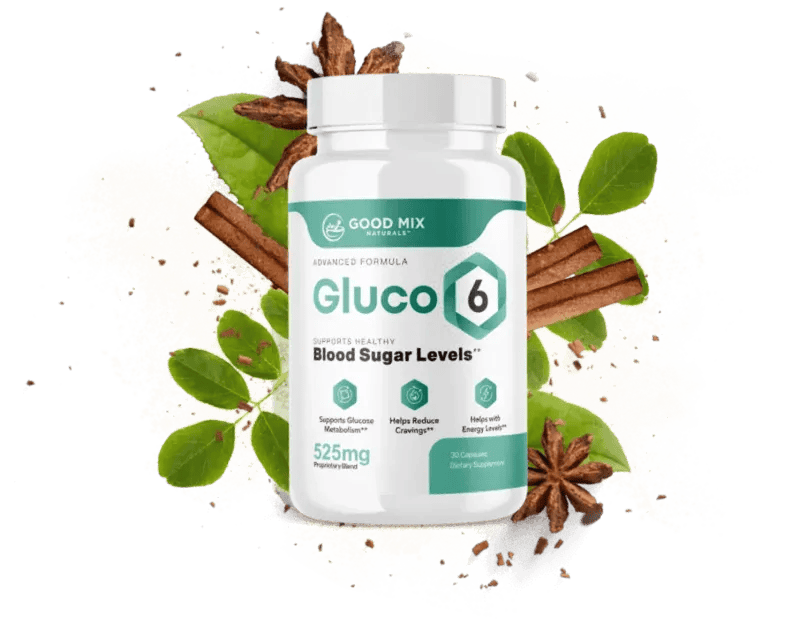
Gluco6™ Daily Maintenance Formula
- Specialized daily formula designed to support healthy blood sugar maintenance
- Formulated to promote steady afternoon energy without severe dietary restrictions
- Manufactured in a cGMP-compliant, FDA-registered facility
| Nutrient Category | Primary Benefit | Common Source |
|---|---|---|
| Leucine Rich Proteins | Stimulates muscle repair | Pasture raised eggs |
| Soluble Dietary Fiber | Stabilizes glucose levels | Steel cut oats |
| Omega Three Fats | Supports cognitive health | Wild caught salmon |
The Mechanics Of Resistance Movement
Physical challenges provide the most direct signal for the body to maintain its structural integrity. We must view exercise not just as a way to burn calories but as a communication tool. The United States National Library of Medicine notes that physical activity is a cornerstone for maintaining functional independence.
To calculate the effectiveness of a movement routine, use this simple formula. Multiply your weight in kilograms by 1.2 to find your daily protein floor. Then, ensure at least 30 minutes of elevated heart rate activity occurs five times a week to keep the cardiovascular system efficient.
Optimizing The Sleep And Wake Cycle
Circadian rhythm dictates much of our hormonal health, particularly cortisol and melatonin levels. When we honor this rhythm, we see improvements in how our body processes energy. Being consistent with light exposure at dawn and darkness at night reinforces these internal cues.
Poor sleep quality acts as a stressor that signals the body to hoard energy rather than expend it. Prioritizing seven to nine hours of quality rest is a non negotiable aspect of long-term health. The Centers for Disease Control and Prevention indicates that adequate sleep is vital for metabolic regulation.
Frequently Asked Questions
Does the body stop processing fuel efficiently after reaching age 60?
The body does not cease to function efficiently, but it does become less forgiving of nutritional imbalances. Hormonal shifts can change how tissues respond to insulin and how muscle is synthesized.
By adjusting our intake and activity levels to match these changes, we can maintain high levels of vitality. The goal is to move from a standard diet to one that specifically addresses our evolving physiological requirements.
Can small movement changes really make a difference in how I feel?
Frequency of movement often matters more than the intensity of a single session. Short walks taken after meals significantly blunt the glucose response compared to sedentary periods.
These small, consistent habits accumulate over time to create a significant shift in internal health. They provide the body with constant reminders to keep metabolic processes active and responsive.
Is protein more important now than it was when I was younger?
Protein is critical for anyone interested in preserving lean mass as they age. Because our bodies become slightly less efficient at processing amino acids, we need a higher intake to trigger the same repair processes.
Consuming high-quality protein at every meal helps protect against the natural decline in muscle density. This habit is one of the most effective ways to support long-term physical strength.
How does hydration impact my internal energy levels?
Water is the medium for every chemical reaction inside our cells, including those that create energy. Even mild dehydration can lead to fatigue and a slower cognitive response.
Many individuals find that their thirst signals dampen as they age. Being intentional about drinking water throughout the day ensures that all systems remain well lubricated and functional.
Should I focus on calorie counting to stay youthful?
Focusing on the quality and density of nutrients usually serves us better than simple calorie tracking. When we prioritize whole foods, our bodies naturally regulate their intake more effectively.
Restrictive counting can sometimes lead to nutrient deficiencies that hurt our metabolic output. It is better to aim for a balanced plate that includes a diverse array of vitamins and minerals.
The Bottom Line
Restoring metabolic youthfulness after 60 is a process of refinement rather than a total overhaul. By focusing on consistent resistance movement, adequate protein intake, and a stable circadian rhythm, you provide your body with the inputs it needs to remain resilient.
This approach moves beyond temporary fixes and encourages long-term stability. Remember that consistency remains the most important factor in your wellness journey.
Never stop or change any medication without consulting the provider who recommended it. Consult a licensed healthcare provider before starting any new wellness routine.
Get Your FREE Natural Health Guide!
Subscribe now and receive our exclusive ebook packed with natural health tips, practical wellness advice, and easy lifestyle changes, delivered straight to your inbox.