

Understanding How Coffee Influences Your Stress Hormone Regulation
I feel the familiar flutter of urgency in my chest whenever I overindulge in my morning roast. We often reach for our mugs as a wake up call without considering the quiet dialogue occurring between caffeine and our internal chemistry. This physical interaction shapes our daily stamina far more than we realize.
The science of morning rituals centers on how specific compounds interact with our natural biological rhythms. Caffeine acts as a temporary stimulant that signals our glands to release specific hormones associated with alertness. Over time, these signals can disrupt our equilibrium if we do not manage our intake with care.
Coffee and the regulation of stress hormones involves the impact of caffeine on cortisol production and the subsequent activation of the sympathetic nervous system. Consuming this stimulant increases circulating cortisol levels which forces the body into a state of heightened arousal often mistaken for productivity. Managing this cycle requires intentional timing and awareness of personal sensitivity levels.
Key Takeaways
- Caffeine intake can elevate cortisol levels for up to six hours after consumption in habitual drinkers.
- Research from the National Institutes of Health indicates that caffeine may heighten the body response to psychological tension.
- Individual metabolism rates vary significantly and dictate how long a single cup persists in the system.
The Biological Dance Between Caffeine and Cortisol
Our bodies utilize a complex set of chemical messengers to govern wakefulness. Cortisol naturally peaks shortly after rising to help us greet the day. When we introduce a strong stimulant during this window, we artificially inflate these levels.
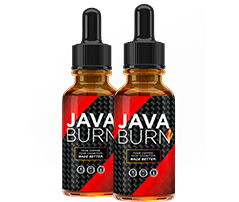
Java Burn™ Coffee Enhancer
- Tasteless nutrient blend designed to seamlessly stir into your daily coffee
- Formulated to support a steady, healthy metabolism without lifestyle disruptions
- Manufactured in a cGMP-compliant, FDA-registered facility
This artificial spike forces our systems to work harder to maintain balance. While we might feel a quick burst of focus, the long term toll on our baseline energy becomes apparent. Constant stimulation eventually desensitizes the receptors intended to keep us regulated.
Data suggests that the timing of our habit plays a greater role than the total volume consumed. Drinking a beverage early in the morning clashes with our natural cycle. Moving that habit to the mid morning period allows the body to complete its natural wake up routine first.
Variables That Influence Hormone Sensitivity
Genetics play a silent role in how we process stimulants. Some individuals possess liver enzymes that break down compounds rapidly while others feel the effects for many hours. This variance determines the intensity of the physical response.
Lifestyle factors such as sleep quality and daily physical activity also change our baseline requirements. A well rested body processes stimulants differently than one recovering from a deficit. Recognizing these markers allows for a more personalized approach to our daily habits.
| Metric | Early Intake | Delayed Intake |
|---|---|---|
| Cortisol Peak | Artificial High | Natural Progression |
| Energy Stability | Sharp Drop | Smooth Decline |
| System Load | Higher Demand | Lower Demand |
Practical Examples of Stimulant Timing
Many readers struggle to find the right balance between enjoying a warm cup and keeping their systems calm. Applying a structured approach to the timing of consumption makes a measurable difference in daily mood and physical readiness. Use the following guide to refine the daily routine.
- The Early Riser Shift: Wait until three hours after waking to consume any caffeine. This allows the body to clear the initial wave of natural morning hormones.
- The Midday Cutoff: Stop all intake at least eight hours before planned sleep. Caffeine has a long half life and lingers in the blood during the night.
- The Hydration Rule: Drink one large glass of water before the first cup of the day. This supports metabolic function and reduces the impact of the stimulant on an empty stomach.
Impact of Caffeine on Physiological Readiness
Physical readiness relies on the stability of our internal environment. When we rely on stimulants to function, we mask the signals of genuine fatigue. This leads to a cycle of overestimation regarding our actual energy reserves.
A study published by the National Library of Medicine highlights the importance of consistent habits for endocrine health. By avoiding erratic intake patterns, we support the natural flow of our system. Stability is the foundation of long term wellness.
Consistency allows our internal organs to anticipate cycles rather than reacting to surprises. We feel more grounded when our habits align with our biology. This alignment results in more predictable energy throughout the afternoon hours.
Nutritional Factors That Support Resilience
Dietary choices impact how our system recovers from daily stressors. Magnesium rich foods help stabilize the nervous system during intense work periods. These nutrients act as a buffer against the jitters often associated with high intake.
Leafy greens and seeds provide essential support for the adrenal system. Incorporating these foods into a regular rotation helps mitigate the harsh spikes caused by excessive stimulants. A balanced plate makes the entire body more adaptable.
Research conducted at the University of California emphasizes the connection between nutrient density and hormone regulation. Relying on whole foods provides the necessary support for daily maintenance. Focusing on hydration alongside nutrient intake creates a stronger baseline for all readers.
Frequently Asked Questions
How does timing affect the morning cup?
Consuming stimulants too early in the day overlaps with the natural morning rise of cortisol. This creates an unnecessary burden on the system that often results in a midday slump.
Delaying the habit until the mid morning period allows the body to process its natural cycles first. This creates a more sustained focus without the abrupt energy drop that many people experience.
Are there signs that intake is too high?
Physical sensations like trembling hands or a racing heart are common indicators that the system is overstimulated. Many people also report difficulty falling asleep or feeling wired despite being exhausted.
These symptoms suggest that the body is struggling to manage the volume of intake. Reducing total intake or moving the cutoff time earlier can often resolve these issues over a few weeks.
Does water intake help with stimulant side effects?
Hydration is essential for flushing excess compounds from the system efficiently. Drinking enough water supports kidney function and helps maintain volume in the blood.
Neglecting water while relying on stimulants often exacerbates feelings of tension. Aiming for consistent hydration throughout the day serves as a simple way to maintain internal equilibrium.
Can diet change the way the body reacts to coffee?
Nutrient dense diets provide the fuel necessary to support our complex internal systems. A lack of essential minerals like magnesium can make the body more sensitive to the jittery effects of caffeine.
Focusing on balanced meals ensures that the body has the resources to manage fluctuating levels of energy. This nutritional foundation helps dampen the harsh responses to stimulants.
Should afternoon coffee be avoided entirely?
Caffeine remains active in the system for many hours after the final sip. Consuming stimulants in the afternoon often interferes with the quality of deep sleep required for physical repair.
Establishing a firm cutoff time in the early afternoon helps protect the evening rest cycle. This adjustment typically leads to more refreshing sleep and improved energy the following morning.
The Bottom Line
Coffee and the regulation of stress hormones requires a thoughtful approach to timing and quantity. Respecting the natural peaks of our own biology ensures that we remain energized without taxing our systems.
Start by pushing your first cup back by ninety minutes tomorrow morning to observe the impact on your focus and mood. Never stop or change any medication without consulting the provider who recommended it. Consult a licensed healthcare provider before starting any new wellness routine.
Get Your FREE Natural Health Guide!
Subscribe now and receive our exclusive ebook packed with natural health tips, practical wellness advice, and easy lifestyle changes, delivered straight to your inbox.